Singapore warns of Middle East crisis repercussions on global climate negotiations
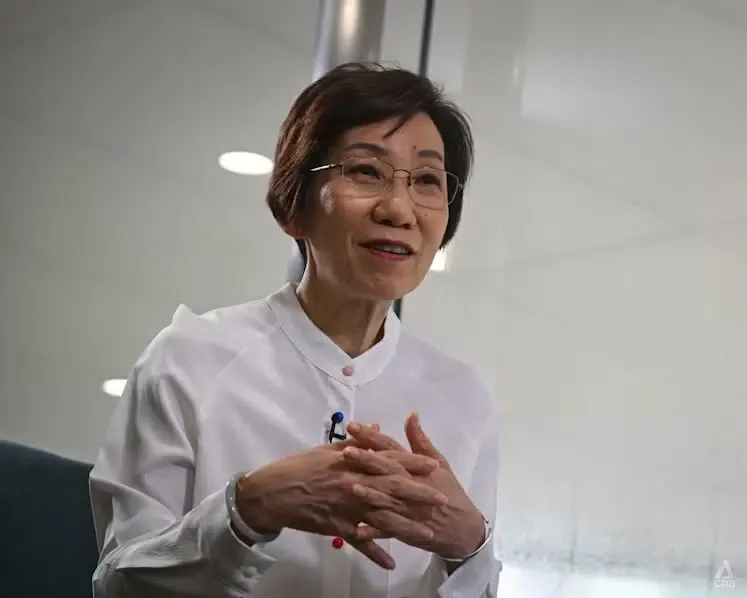
صورة: وكالة الأنباء الكويتية (كونا)
Singapore's Minister for Sustainability and the Environment, Grace Fu, warns of the impact of the Middle East crisis on climate negotiations
Translated by Qiyas from كونا — Original source
Kuala Lumpur -- Singapore’s Minister for Sustainability and the Environment, Grace Fu, warned on Monday that the fallout from the Middle East crisis, including global inflation and growing concerns over energy security, will make international negotiations to phase out fossil fuels more difficult at the 31st United Nations Climate Change Conference (COP31).
Speaking to Singapore’s Channel NewsAsia ahead of her departure for Antalya, Turkey, to attend the conference, which opened today and runs until November 20, Fu said, “Governments are now focusing on addressing urgent domestic challenges, including inflation, social unrest, job concerns, and security, at the expense of attention to climate change issues.”
She explained that “the conflict in the Middle East and the accompanying concerns about energy security have led some countries to return to using cheaper fossil fuels, such as coal, by restarting or extending the operation of old power plants, while fears of supply shortages have prompted other countries to accelerate their transition toward renewable energy sources.”
Fu noted that governments are currently reassessing their long-term energy policies and seeking ways to protect their economies from fossil fuel supply shortages, adding that these developments are affecting countries in different ways and will impact international climate discussions.
In this regard, she predicted that “negotiations on moving away from fossil fuels will be as difficult as those at previous conferences, and perhaps even more so, given geopolitical tensions and diverging economic and security priorities among countries.”
She emphasized the need to redirect political leaders’ attention to global climate action despite current crises, warning that “the greatest threat to climate change mitigation efforts is governments turning away from this issue due to their preoccupation with other priorities.”
Fu expressed hope that the conference would see broad participation from political leaders and serious discussions on contentious issues, considering that “continued dialogue and exchange of views among countries represent a significant achievement, even if final agreements are not reached on all issues under discussion.”
She added that Singapore is considering supporting the global initiative known as “35 by 2035,” championed by Turkey, which aims to raise the share of electricity in total final energy consumption worldwide to 35 percent by 2035, through expanding the use of electricity instead of direct consumption of fossil fuels. (End) A.A.B./F.L.A.
