GCC Secretary-General: Gulf culture is a pillar for strengthening societal cohesion
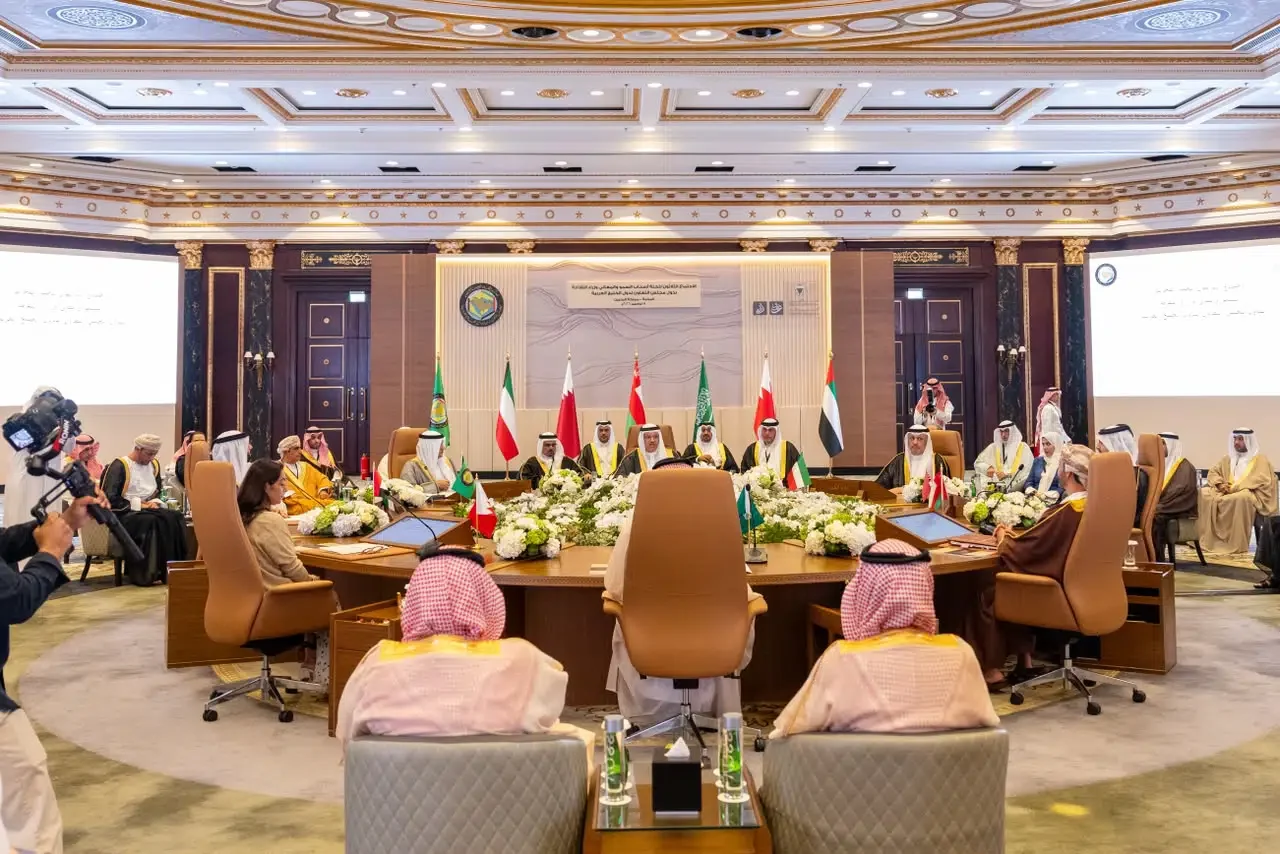
صورة: وكالة الأنباء الكويتية (كونا)
The GCC Secretary-General affirmed that culture is a pillar for cohesion, emphasizing the 2027-2030 action plan and statistical indicators for the sector.
Translated by Qiyas from كونا — Original source
Manama, Nov 5 (KUNA) -- Secretary-General of the Gulf Cooperation Council (GCC) Jassem Al-Bedaiwi affirmed here today, Thursday, that Gulf culture constitutes a fundamental pillar for the cohesion of GCC member states’ societies and an active force in shaping awareness and building the future. This statement was made in Al-Bedaiwi’s address at the 30th meeting of GCC Culture Ministers, held under the chairmanship of Bahraini Sheikh Khalifa bin Ahmed Al Khalifa, Chairman of the Bahrain Authority for Culture and Antiquities, and attended by Omar Al-Omar, Minister of State for Communications and Information Technology and Acting Minister of Media and Culture, as well as the culture ministers of the GCC member states.
Al-Bedaiwi stressed in his speech the importance of enhancing integration in cultural and creative aspects to highlight the civilizational and human heritage of the GCC states and to support their presence at regional and international forums. He clarified that the ties binding the GCC member states are rooted in a long history, a distinguished civilizational legacy, and a firmly established cultural identity that has evolved across generations and remains a source of strength and cohesion for Gulf societies. He noted that, under the guidance of their leadership, the GCC states have succeeded in preserving this heritage, developing their cultural institutions, and launching landmark initiatives that have contributed to safeguarding heritage, nurturing creativity, and enhancing the global presence of Gulf culture.
The Secretary-General reviewed a number of statistical indicators reflecting the progress of the cultural sector in the GCC states, noting that they include approximately 300 museums and more than 170 public libraries, underscoring the commitment to cultural heritage and the enhancement of cultural infrastructure. He added that cultural events in the GCC attract over 5.5 million visitors, with participation from more than 8,000 exhibitors and publishers, indicating the growing momentum of Gulf cultural activity.
Al-Bedaiwi emphasized that the Gulf aspiration lies in strengthening culture’s capacity to contribute to shaping the future, building bridges of communication among peoples, and showcasing the distinct civilizational and developmental model of the GCC states. He stressed its role in consolidating social cohesion, promoting values of openness and dialogue, and conveying the rich human and creative heritage of the GCC to the world.
In this context, the Secretary-General highlighted the particular importance of the Gulf Action Plan for Cultural and Creative Industries for the period 2027–2030, describing it as an opportunity to advance cultural cooperation toward more integrated projects and programs based on priority-setting, the development of implementation mechanisms, and results measurement, thereby supporting the achievement of the GCC states’ common goals in this sector. He also clarified that efforts to develop the Gulf Index for Cultural and Creative Industries and the Culture Statistics Platform represent a crucial step toward building a shared information base that supports planning and decision-making and enables the measurement of the cultural and creative sector’s contribution to the economies of the GCC states. (End) K.N.A. / M.A.A.
