Democrats secure majority in US Congress; Vance attributes Republican losses to Iran war
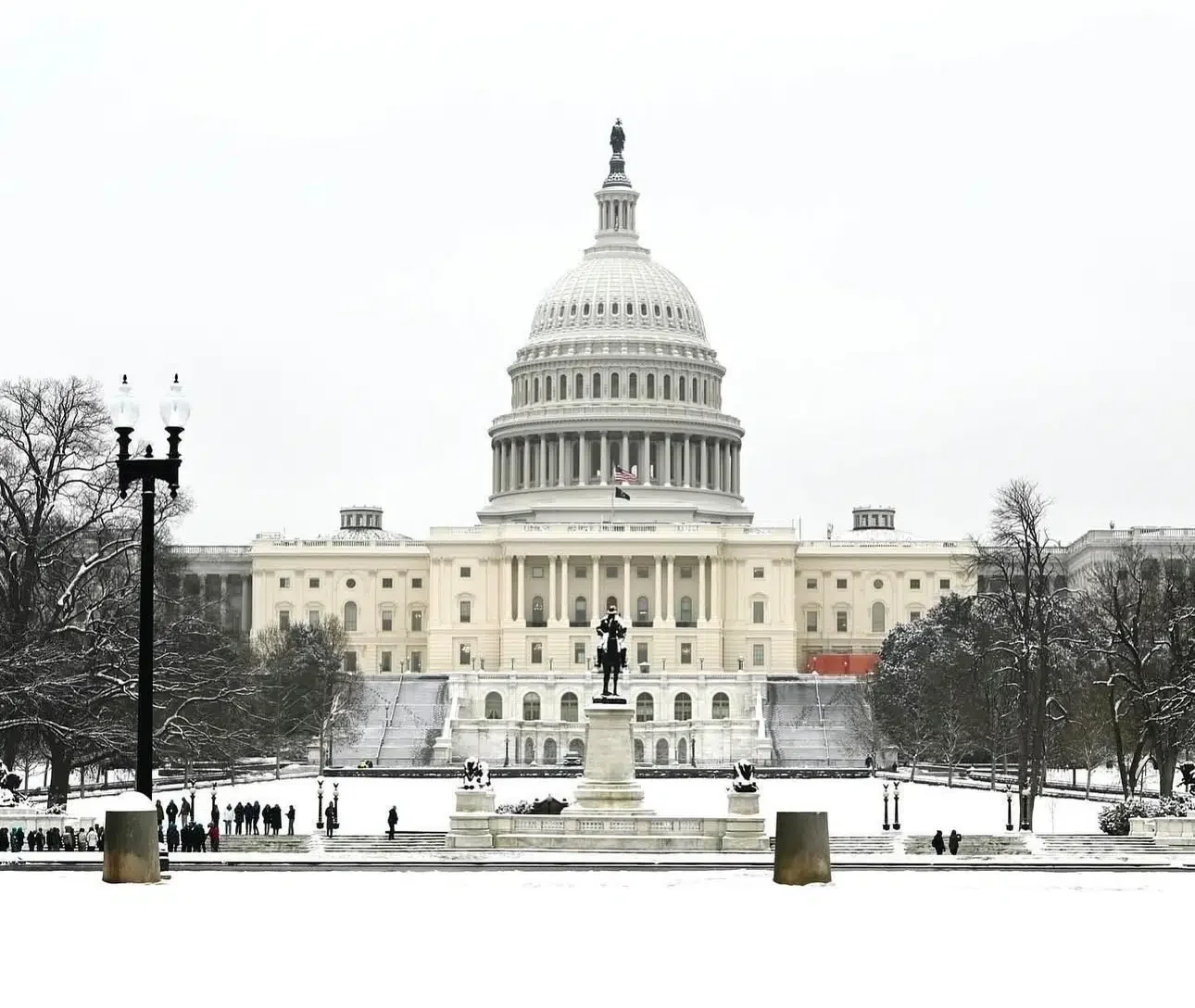
صورة: وكالة الأنباء الكويتية (كونا)
Broad Democratic victory in the US Congress reflects voter dissatisfaction with the economy and the war with Iran
Translated by Qiyas from كونا — Original source
By Ahmed Al-Mutairi, Washington, Nov 4 (KUNA) -- The Democratic Party secured a sweeping victory in the U.S. midterm elections, capturing majorities in both the Senate and the House of Representatives. This significant political shift reflects a decline in popular support for the Republican Party and President Donald Trump, opening the door to a period of political and legislative confrontation between the White House and Congress over the next two years.
Initial results showed Democratic gains extending to several states traditionally considered Republican strongholds, including Texas, South Carolina, Kansas, and Ohio. This indicates a broadening shift in voter sentiment, with many expressing dissatisfaction with the administration’s performance, particularly regarding economic issues, the war with Iran, and immigration policies.
Among the most notable changes was the victory of candidate Adam Hamilton for the U.S. Senate seat in Kansas, making him the first Democrat to win that seat in decades. Additionally, Democrat Sherrod Brown reclaimed his Ohio Senate seat, Annie Andrews won the South Carolina seat, and James Tallarico achieved a significant victory in Texas against Republican Attorney General Ken Paxton.
These results are particularly significant given that Texas, South Carolina, and Ohio had voted for Trump in the 2024 presidential election by large margins, highlighting the expanding scope of electoral competition and the Republicans’ diminishing ability to retain some of their traditional strongholds.
On the House level, Democrats managed to regain the majority as results continued to be declared in several districts. Their gains also extended to gubernatorial races and local legislative councils, further strengthening their political influence at both the federal and state levels.
Polls attributed a major part of this shift to growing voter discontent over economic conditions, rising cost of living, and fuel prices, as well as the repercussions of the U.S. war with Iran, which erupted last February, alongside objections to the Trump administration’s immigration policies.
In his first prominent comment from within the U.S. administration on the election results, Vice President J.D. Vance attributed the Republicans’ losses to the war with Iran in a post on the X platform on Wednesday. “The reason for our loss is the war,” Vance said, adding that President Trump himself had acknowledged this in previous statements. Vance stated that anyone who believes the war was worth its political cost, including the loss of the Senate majority, should state this position openly, noting that any frank discussion about the future of the Republican Party should begin with an acknowledgment of the reasons for the loss.
Trump had acknowledged the role of the war with Iran in his party’s declining results but defended his decision, insisting he would take the same step again despite the political and economic repercussions, particularly the rise in fuel prices.
In an analysis of the results’ implications, The Washington Post warned that Democratic control of both chambers of Congress could open the door to two years of political friction and ongoing confrontation with the Trump administration. The party intends to intensify parliamentary oversight of the administration’s performance and investigate various files, including summoning members of the president’s family to testify before the House Oversight Committee.
In response, Trump had threatened to use his presidential powers to block legislation passed by the new Congress, telling The New York Post in an interview that he would veto “everything,” adding that he might become “Mr. Veto,” a reference to his intention to use his veto power against bills he does not approve. In its editorial, the newspaper observed that political division does not necessarily lead to a deadlock, as the possibility of reaching compromises between the two sides remains, despite the difficulty of overcoming disagreements over the war with Iran, as well as economic and immigration issues. It also noted that Democrats face a significant political test in proving their ability to govern and deliver concrete solutions to the problems facing Americans, considering that opposing Trump alone will not be enough to maintain voter trust, particularly among independents who still harbor reservations about both parties. Democratic control of both chambers would grant them broader powers to exercise legislative oversight of the administration, launch investigations, and influence the passage of legislation and government appointments, although the party’s ability to impose its agenda would remain constrained by the president’s veto power and the need for Republican support to override it. Thus, Washington enters a new phase of political division, with legislative control shifting to the Democrats while Republicans continue to run the White House, a scenario that places both sides before the test of balancing partisan confrontation with the demands of governing the country. (End) A.M.M. / M.A.A.
