President of the Internet of Things AI Association: Gulf states poised to become a global AI hub thanks to infrastructure and technology investments
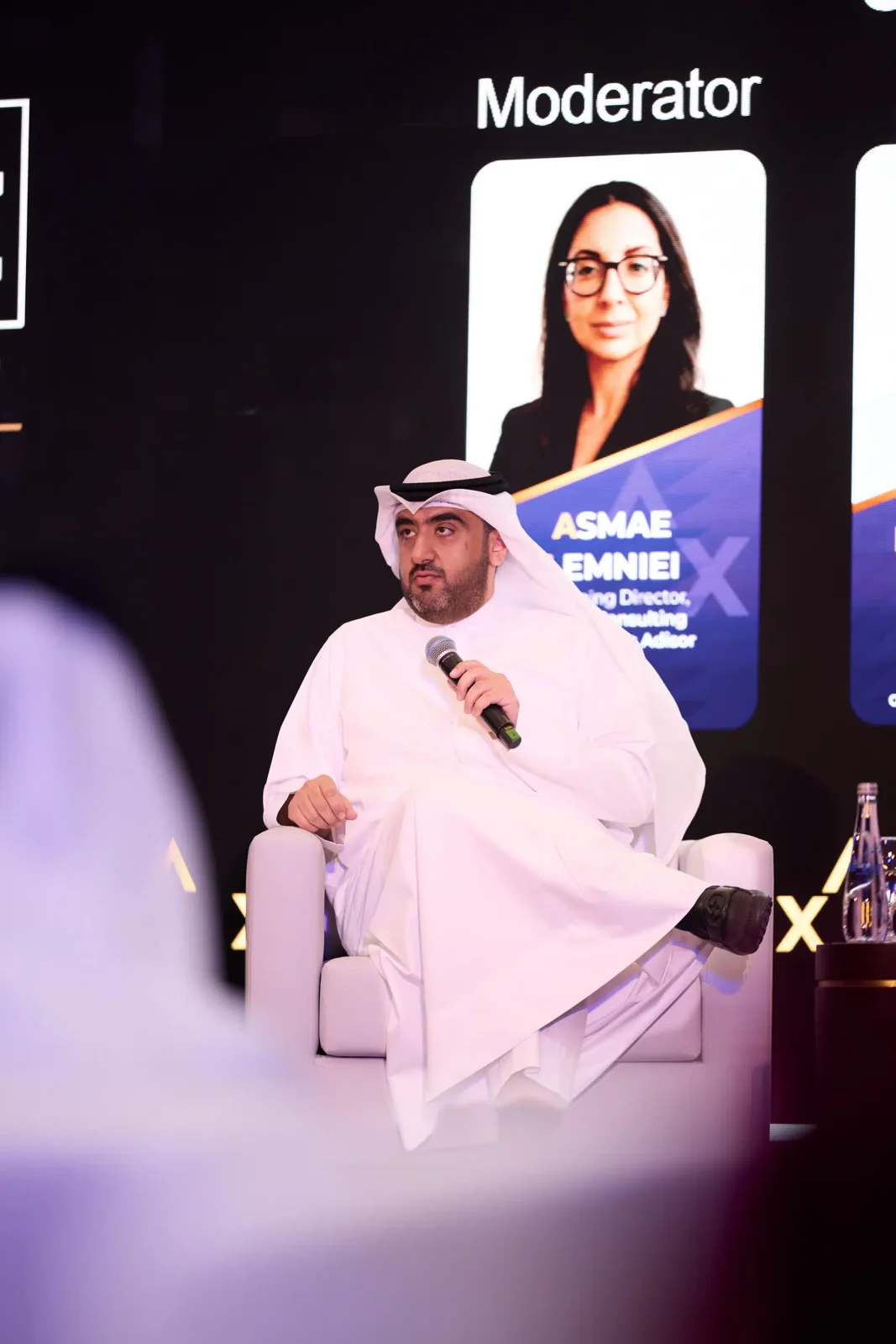
صورة: وكالة الأنباء الكويتية (كونا)
Sheikh Mohammed Ahmed Al-Sabah affirmed that Gulf states are well-positioned to become a global AI hub due to investments in infrastructure and data quality.
Translated by Qiyas from كونا — Original source
Dubai, November 3 (KUNA) -- Sheikh Mohammed Ahmed Al-Sabah, founder and chairman of the board of directors of the Artificial Intelligence of Things Association, affirmed on Tuesday that the Gulf Cooperation Council (GCC) countries possess the strategic, economic, and technological foundations that qualify them to become a leading global hub in artificial intelligence (AI) and advanced technologies, bolstered by substantial investments allocated by regional nations to develop digital infrastructure and attract major global technology companies.
This statement came during Sheikh Mohammed Ahmed Al-Sabah’s participation in a dialogue session at the Capital Exchange 2026 conference, held in Dubai as part of the events accompanying the Dubai Future Financial Sector Week, organized by the Dubai International Financial Centre (DIFC) from November 2 to 6. The conference features a distinguished group of government and economic leaders, investors, and international experts in technology, finance, and innovation.
Sheikh Mohammed Ahmed Al-Sabah participated in a dialogue session titled “The AI Ecosystem: From Infrastructure to Applications,” which discussed the future of the AI ecosystem, digital sovereignty, and the roles of governments, the private sector, and investors in building an economy based on advanced technologies.
He explained that Gulf countries have made significant strides in attracting global investments and specialized AI companies by developing an attractive investment environment, providing advanced digital infrastructure, expanding the establishment of data centers and cloud computing facilities, and launching ambitious national strategies to support digital transformation and innovation.
He noted that the substantial investments pumped by regional countries into technological infrastructure reflect their leaders’ vision toward building sustainable, knowledge-based economies. He emphasized that the next phase requires transitioning from investing in infrastructure to developing practical AI solutions and applications that deliver tangible economic and developmental value.
He affirmed that GCC countries have a historic opportunity to transition from being consumers of technology to regional and global centers for developing AI technologies, producing smart solutions, and exporting innovation, leveraging their investment capabilities, strategic location, and international partnerships.
Sheikh Mohammed Ahmed Al-Sabah stressed that building an integrated and sustainable AI ecosystem depends not only on attracting global companies and advanced technologies but also on investing in human capital and qualifying national cadres capable of developing, managing, and efficiently utilizing these technologies.
In this context, he outlined the role of the Artificial Intelligence of Things Association in supporting this direction by working to train and qualify national cadres in Kuwait and GCC countries, enhancing cooperation with universities, research centers, and global technology institutions, and developing specialized programs to transfer knowledge and build national capacities in the fields of AI and the Internet of Things (IoT).
He clarified that the association aims to attract leading global companies in these fields to Kuwait and the region, and to build strategic partnerships between government institutions, the private sector, and international technology companies. These efforts aim to localize modern technologies, transfer global expertise, create high-quality job opportunities for Gulf youth, and support entrepreneurship and startups specializing in technology and innovation.
The speech also addressed the importance of integration between artificial intelligence and the Internet of Things as a key driver of economic and technological transformation in the coming phase, highlighting the potential of these technologies to develop vital sectors including energy, oil and gas, smart cities, infrastructure, and government services. It was clarified that deploying these solutions contributes to enhancing operational efficiency, improving resource management, reducing costs, and strengthening service quality, thereby supporting the competitiveness of Gulf economies and enhancing their capacity to keep pace with global technological shifts. The speaker emphasized the importance of strengthening cooperation and integration among Gulf Cooperation Council (GCC) countries in the fields of artificial intelligence, knowledge exchange, and joint capacity building, which would help consolidate the region’s position among global influential centers in technology and the digital economy.
At the conclusion of his remarks during the session, Sheikh Mohammed Ahmed Al-Sabah stressed that the future of artificial intelligence does not depend solely on the volume of available data or the possession of the latest technologies, but is fundamentally rooted in the quality, organization, accuracy, and reliability of data. He underscored that possessing organized, clean, and high-quality data represents the critical factor in achieving optimal results from AI applications. He stated, “Excellence in the AI era will not belong merely to those who possess the largest volume of data or the most advanced technologies, but to those who have organized, clean, and reliable data and can deploy it efficiently. The true value of artificial intelligence lies in the quality of the data it relies on, not its quantity.”
Sheikh Mohammed Ahmed Al-Sabah pointed out that investing in data quality, organization, and efficient management should constitute a strategic priority for both public and private institutions, as it forms the foundation for building more accurate and effective AI systems capable of supporting decision-making and achieving desired economic and developmental outcomes.
The session discussed several topics related to developing sovereign AI infrastructure, investing in data centers and advanced computing capabilities, the importance of startups in developing the technological ecosystem, and the role of family offices and investment funds in financing innovation and enhancing investment opportunities in AI-related sectors. (End) M.A.H.A
