China and Philippines agree to continue diplomatic dialogue to achieve stability in bilateral relations
صورة: وكالة الأنباء الكويتية (كونا)
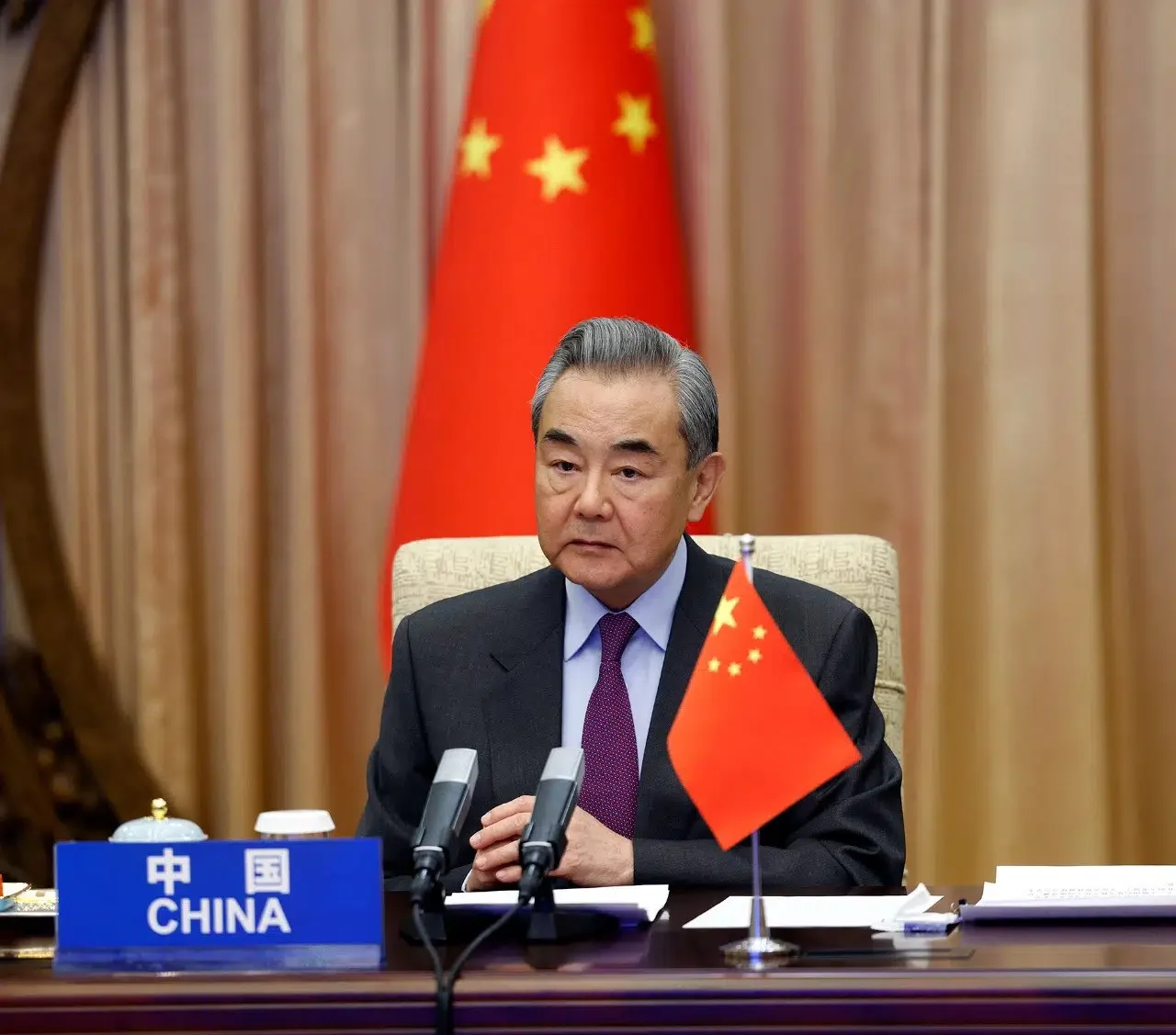
Chinese Foreign Minister and his Philippine counterpart agree to improve relations.
Translated by Qiyas from كونا — Original source
Beijing, Nov 3 (KUNA) -- China and the Philippines agreed today, Tuesday, to continue diplomatic dialogue to improve their relations, affirming that a stable and sound China-Philippines relationship aligns with the interests of both countries and meets the aspirations of the region. China Central Television (CCTV) reported that this came during a phone call between Chinese Foreign Minister Wang Yi and his Philippine counterpart Maria Lazaro, in which they exchanged views on issues of common concern. Both sides also agreed to work toward eliminating all forms of internal and external interference and obstacles, and to oppose any "malicious" provocations and actions that could undermine their diplomatic efforts. They stressed the need to adopt a responsible approach to manage differences, maintain stability, and expand shared interests.
The television network quoted Wang as saying that China-Philippines relations are facing a "malicious smear campaign," with some Filipino politicians continuing to "attack China, defame its reputation, and politicize economic and trade cooperation and cultural exchanges between the two countries, while also harming the rights and interests of Chinese individuals and institutions in the Philippines, driven by political biases and narrow personal interests." He emphasized that "such practices cross China's red lines and cannot be tolerated, as they damage the Philippines' international image," urging Manila to intensify efforts to restrain the behavior of those involved and to project a "rational and unified voice" in its policy toward Beijing.
Wang reaffirmed his country's firm resolve to safeguard its sovereignty and territorial integrity and to achieve reunification, calling on the Philippines to implement the "One-China" policy in practice and to exercise caution in its words and actions regarding maritime issues, in an indirect reference to the disputed islands in the South China Sea.
For her part, Lazaro emphasized during the call her country's interest in developing relations with China and expressed hope for building stable bilateral ties. She noted that dialogue serves to manage differences, improve relations between the two countries, and enhance regional peace and stability amid challenges faced by various countries in the economic and energy sectors. She stated that the Philippines' position of adhering to the "One-China" policy would not change, and that the Philippine side is ready to properly handle maritime issues with China through dialogue and consultation.
The call also featured an exchange of views on the upcoming informal meeting of Asia-Pacific Economic Cooperation (APEC) economic leaders, to be held this month in Shenzhen, southern China. (End) S.L.Q./A.S. Beijing, Nov 3 (KUNA) -- China and the Philippines agreed today, Tuesday, to continue diplomatic dialogue to improve their relations, affirming that a stable and sound China-Philippines relationship aligns with the interests of both countries and meets the aspirations of the region. CCTV reported that this came during a phone call between Chinese Foreign Minister Wang Yi and his Philippine counterpart Maria Lazaro, in which they exchanged views on issues of common concern. Both sides also agreed to work toward eliminating all forms of internal and external interference and obstacles, and to oppose any "malicious" provocations and actions that could undermine their diplomatic efforts. They stressed the need to adopt a responsible approach to manage differences, maintain stability, and expand shared interests.
State media quoted Wang as saying that China-Philippines relations are facing a “malicious smear campaign,” as some Filipino politicians continue to “attack China, defame its reputation, and politicize economic and trade cooperation and cultural exchanges between the two countries, while also harming the rights and interests of Chinese individuals and institutions in the Philippines, driven by political biases and narrow personal interests.” He stressed that “such practices cross China’s red lines and cannot be tolerated, and they damage the Philippines’ international image,” calling on Manila to intensify efforts to curb the behavior of those involved and to project a “rational, unified voice” in its policy toward Beijing. He reaffirmed his country’s firm resolve to safeguard its sovereignty and territorial integrity and to achieve reunification, urging the Philippines to implement the “one-China” policy in practice and to exercise caution in its words and actions regarding maritime issues, in an indirect reference to the disputed islands in the South China Sea.
For her part, Lazaro emphasized during the call that her country is keen on developing relations with China and expressed hope for building stable bilateral ties, noting that dialogue serves to manage differences, improve relations between the two countries, and enhance regional peace and stability amid challenges faced by various countries in the economic and energy sectors. She stated that the Philippines’ position of adhering to the “one-China” policy would not change, and that the Philippine side is ready to properly handle maritime issues with China through dialogue and consultation. The call also featured an exchange of views on the upcoming informal meeting of Asia-Pacific Economic Cooperation (APEC) economic leaders, to be held this month in Shenzhen, southern China. (End) S.L.Q./A.S.
