Ministry of Information organizes lecture on its role in supporting national security
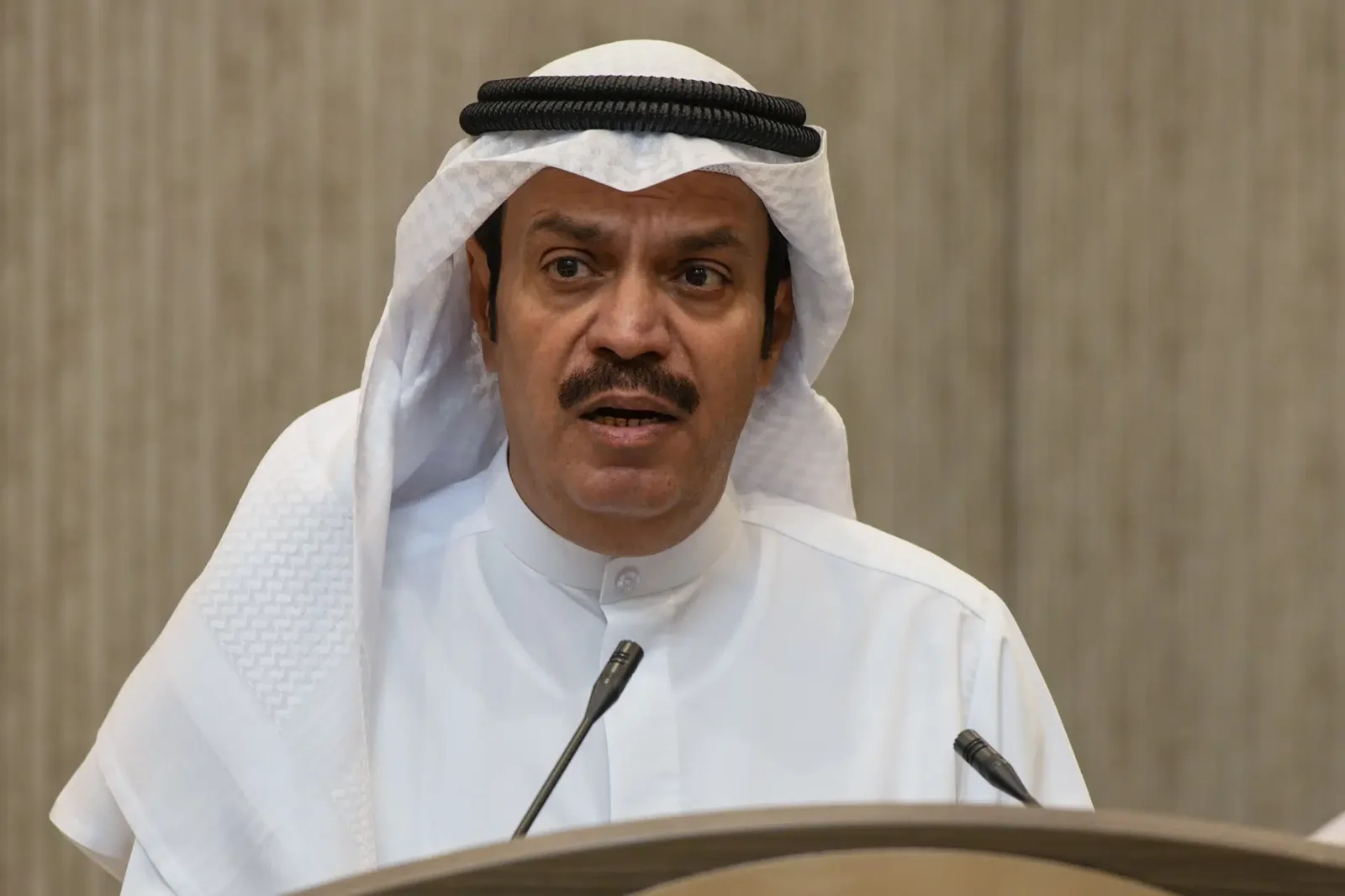
صورة: وكالة الأنباء الكويتية (كونا)
The Ministry of Information organized a lecture by Dr. Saleh Al-Otaibi on strategic partnership, supporting national security, and combating rumors.
Translated by Qiyas from كونا — Original source
Kuwait City, Nov 3 (KUNA) -- The Strategy Team of the Ministry of Information organized a lecture today titled “Strategic Partnership and National Narrative Building: The Role of the Ministry of Information in Supporting National Security,” as part of the Mubarak Al-Abdullah Joint Forces Command and Staff College program aimed at preparing leaders for strategic-level roles.
The lecture, delivered by Dr. Saleh Al-Otaibi, Director of the Strategic Planning Department at the Ministry, aims to highlight the role of official media as a bridge between the state and society by disseminating verified information and clarifying official positions.
During the lecture, Dr. Al-Otaibi stated that the Ministry’s role extends beyond that of a mere news or media entity; it constitutes a strategic partnership in supporting the national security system by contributing to building societal awareness and strengthening trust in official institutions. He added that the Ministry’s efforts also help counter rumors and misinformation, particularly during crises and challenges, emphasizing the importance of preparing media plans to unify the official narrative and coordinate with various government ministries and entities.
He clarified that the media’s role also extends to consolidating national identity and disseminating messages that support social stability and cohesion.
Regarding national security, Dr. Al-Otaibi noted that the concept has expanded from its traditional foundations linked to military power and the security apparatus to encompass community and information security. Rapid geopolitical and technological transformations have broadened the scope of this concept.
He pointed out that the Ministry of Information supports national security in six key areas: enhancing national awareness, combating rumors and misinformation, supporting national readiness, strengthening trust in institutions, protecting information security, and promoting Kuwait’s external image.
He also emphasized the critical role of media during security, health, and natural disaster crises, as well as regional developments, through the rapid dissemination of reliable information, coordination among relevant parties, and adherence to media responsibility.
Dr. Al-Otaibi further stressed the importance of partnership between the media, government entities, civil society, private media institutions, and digital platforms, and the necessity of establishing an integrated national communication system that facilitates the rapid exchange of information, clarifies which entities are authorized to broadcast information and its content, and coordinates the timing of such broadcasts.
He explained that the Ministry of Information’s Strategy (2026–2030) aims to consolidate professional values and enhance trust and transparency by developing a responsible, innovative, and sustainable digital media landscape that reinforces national media leadership based on governance and development.
He noted that the strategy’s message focuses on several key pillars: empowerment, partnership, intelligence, digitalization, and identity, while also embodying values of integrity, responsibility, trust, professionalism, and innovation.
He added that the strategy is also grounded in consolidating Kuwaiti identity and a conscious national narrative, promoting responsible media, and supporting the knowledge economy through objectives such as enhancing governance and transparency, achieving comprehensive digital transformation, and empowering human capital.
(End) M.D.M./N.W.F.
