Arab League Calls for Joint Mechanisms to Counter Media Disinformation and AI Challenges
صورة: وكالة الأنباء الكويتية (كونا)
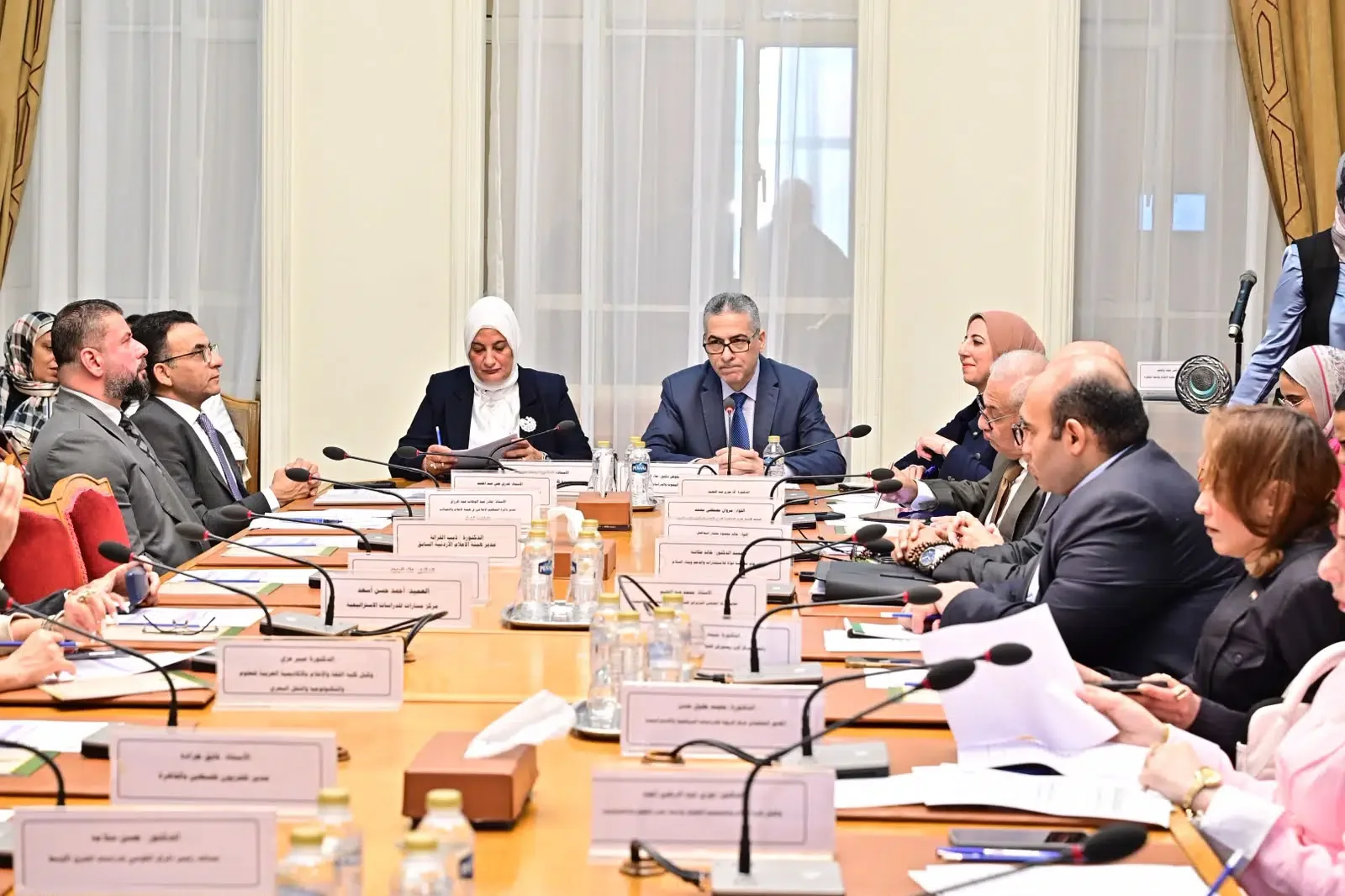
A seminar in Cairo on the future of Arab media and countering digital challenges.
Translated by Qiyas from كونا — Original source
Cairo -- The Arab League called on Sunday for the development of joint Arab mechanisms to verify information and combat media disinformation and fake content produced by artificial intelligence technologies, as well as to enhance the capacity of media institutions to cope with rapid transformations in the media and communications environment. This was stated in a speech by Ambassador Ahmed Khatibi, Assistant Secretary-General for the Media and Communications Sector at the Arab League, at the opening of a scientific symposium titled “The Future of Arab Media After Wars and Crises: Toward Enhancing Collective Consciousness and Public Trust,” organized by the League in collaboration with the Faculty of Mass Communication at Cairo University, with the participation of academics and researchers specializing in media and communications.
Khatibi emphasized, in a speech delivered on his behalf by Dr. Alaa Al-Tamimi, Director of Research and Studies, that media is no longer merely a conduit for events but has become an influential actor in managing conflicts and shaping public opinion. He noted that media institutions have the power to calm or inflame societies, build or undermine trust, and protect or distort the truth, thereby imposing increasing professional and ethical responsibilities on those working in the field.
He clarified that the symposium takes place amid escalating armed conflicts and political and humanitarian crises, alongside rapid transformations in the media and communications landscape, instantaneous information transfer via digital platforms, and the growing use of modern technologies and artificial intelligence in shaping narratives and influencing public opinion. He stressed the necessity for media institutions to adhere to professional standards of accuracy and objectivity, avoid being swayed by rumors, propaganda, and hate speech, and develop professional frameworks governing media work during armed conflicts and crises.
He pointed out that contemporary wars have generated increasing challenges, including the widespread dissemination of false information, rising disinformation campaigns, the use of artificial intelligence to produce fake content, and the direct targeting of journalists and media institutions. He underscored the importance of developing a unified Arab media operational system and constructing media narratives that enhance collective consciousness, safeguard Arab interests, and restore public trust by reinforcing transparency and credibility in government and media communications.
He added that the symposium aims to anticipate the future of Arab media in the post-war and post-crisis phase, define its strategic priorities, and develop joint mechanisms for information verification and combating disinformation, ensuring the production of professional and reliable content that respects the public’s right to know and contributes to protecting societal security, social cohesion, and human values, while respecting freedom of expression, human rights, and international humanitarian law.
He expressed hope that the scientific discussions would yield actionable initiatives, effective institutional partnerships, and practical recommendations that contribute to the development of Arab media and enhance its capacity to manage crises. The symposium addressed ways to improve the performance of Arab media institutions in the face of rapid digital transformations, counter disinformation, and strengthen trust between media outlets and the public, thereby supporting the overall media ecosystem.
The symposium featured two scientific sessions. The first, titled “Strategic Management of the Arab Media Landscape and Building Consciousness After Crises,” examined mechanisms for Arab media integration, international communications management in the post-crisis phase, and the role of Arab narratives in shaping public opinion and anticipating the future of the Arab media landscape. It also focused on defining strategic priorities through a series of specialized research papers.
The second session, titled “Information Security, Countering Disinformation, and Building Trust After Crises,” was dedicated to discussing the challenges of information security and ways to counter media disinformation in the context of rapid technological advancement and the impact of artificial intelligence on media practices. It also addressed the relationship between public trust and effective government communication, as well as the role of institutional communication in strengthening community trust. (End) M.M. / N.S.A.
