Nation's Destination: So We Do Not Raise the White Flag!
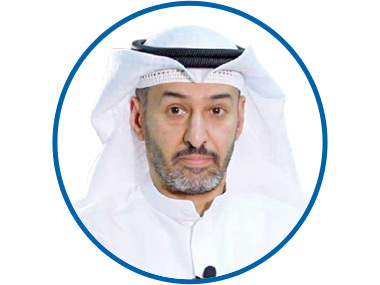
An article analyzing the White Flag series and highlighting the clash of values in Alexandria
Translated by Alqyas from Al-Jarida — Original source
In my view, the television series “The White Flag” by writer Osama Anwar Okasha did not receive the recognition, success, and popularity it deserved, especially when compared to his other major works such as “Layali al-Helmeyya,” “Al-Shahd wa al-Damoo’,” “Arabesque,” and others, which achieved widespread popular appeal and artistic merit.
The premise of “The White Flag,” directed by Mohamed Fadel, is straightforward and simple, depicting the confrontation between culture armed with goodness and ignorance cloaked in evil. However, its allegories and underlying intentions reflect the ethical dimension concerning the detrimental effects of prioritizing power, wealth, and influence over a society’s culture and heritage.
The series is set in Alexandria and revolves around two factions. The first is represented by the retired ambassador Mufid Aboulghar (played by Gamal Ragab), accompanied by a group of intellectuals, including a philosophy professor, a painter, and a journalist. The second faction is led by the teacher Fadaa Al-Midaoui (played by Sanaa Jamal), a self-made wealthy woman who wields money, influence, and a following of individuals with limited education, culture, and awareness, as well as corrupt figures in public institutions. The conflict centers on a villa of significant heritage value owned by Aboulghar, which he seeks to protect for its artistic and cultural significance, while “Teacher Fadaa” aims to acquire it to convert it into an investment property.
Indeed, the series’ premise is not complex; it presents a direct confrontation between knowledge and ignorance, or good and evil. Yet, indirectly, it also sheds light on the formidable power, wealth, and influence that emerged in Egypt during the 1970s and 1980s, held by individuals with limited culture and education, and often low moral standards, and the impact this had on society, its culture, heritage, and even its human values.
If we fast-forward from 1988, the year “The White Flag” was broadcast as a 16-episode series when marketing did not require stretching episodes to 30, to the present day, we find that in our Arab reality, Mufid Aboulghar’s villa has taken multiple forms, where knowledge confronts ignorance.
Today, Aboulghar’s villa represents a confrontation with populism, another against racism, and yet another against mob mentality, standing up to personal ambitions, as well as illusions and unrealistic expectations. These are all battles of consciousness that intellectuals must not surrender by raising “The White Flag.”
Moreover, raising “The White Flag” here is not limited to mere surrender; it also encompasses complicity, or rather, benefiting from conflicts of interest, or tolerating racist or populist rhetoric, and sliding into personal gain.
Director Mohamed Fadel and writer Osama Okasha concluded “The White Flag” with an open ending, featuring a demonstration where Aboulghar’s team confronts Fadaa’s team, without resolving the villa’s ultimate fate. This signals that the confrontation between knowledge and ignorance, good and evil, and even values and ambitions, is an ongoing, unresolved, yet necessary struggle to protect society, its ethics, and its values.
