Al-Dahi: Early sugar control protects against its serious long-term complications
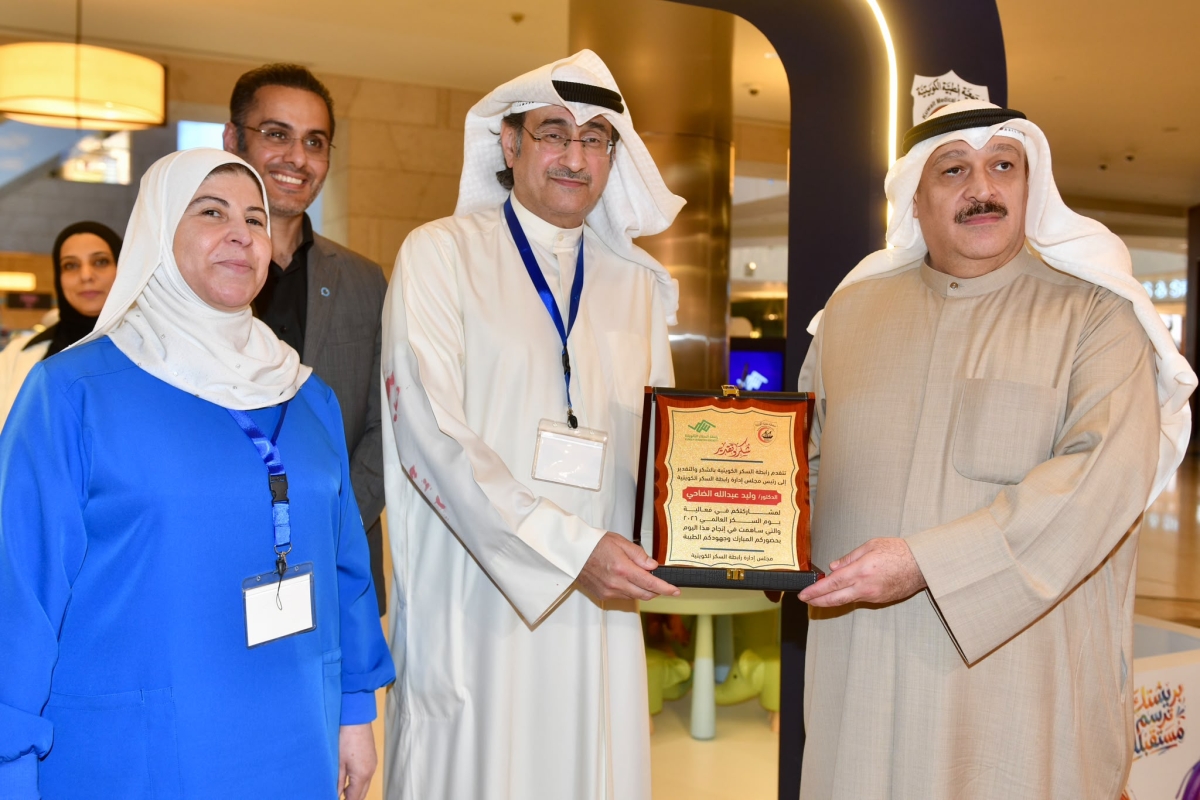
Dr. Waleed Al-Dahi emphasizes the importance of early sugar control to prevent complications in Kuwait.
Translated by Alqyas from Al-Jarida — Original source
Dr. Waleed Al-Dahi, an endocrinology and diabetes consultant and head of the Kuwait Diabetes Association, emphasized that controlling blood sugar levels during the early stages of diagnosis is a key factor in preventing long-term complications. He noted that studies have shown that patients who successfully manage their blood sugar levels early on significantly reduce their risk of developing diabetes-related complications.
Speaking to the press on the sidelines of the event, he said that the Association, founded in 1996, is committed to raising community awareness about diabetes, its symptoms, complications, and prevention methods. He pointed out that the event is part of the global celebration of World Diabetes Day in November, which features awareness activities worldwide in collaboration with the International Diabetes Federation (IDF).
He added that the campaign’s slogan underscores that patients themselves shape their health future through their commitment to managing the disease, not just doctors. He clarified that preventing diabetes complications—including retinopathy, vision problems, cardiovascular and arterial diseases, neuropathy, kidney disease, foot issues, and even amputation—begins with early control of blood sugar levels and regular monitoring of health indicators.
He explained that the target indicators for managing risk factors include maintaining HbA1c below 7%, blood pressure below 130/80 mmHg, and LDL cholesterol below 2.5 mg/dL, alongside annual eye fundus examinations, regular urine albumin tests, and annual foot checks. He stressed that adhering to these tests helps detect and prevent complications early.
He noted that Kuwait records a diabetes prevalence rate of approximately 25% for type 2 diabetes, one of the highest globally and in the Gulf region. He highlighted that genetic factors play a significant role in the development of diabetes and cardiovascular diseases, urging individuals with a family history of the disease to monitor their blood sugar levels and manage risk factors closely.
Regarding childhood diabetes, Dr. Al-Dahi stated that type 1 diabetes differs from type 2 and typically affects children for reasons not yet fully understood. It may be linked to immune system dysfunction or viral infections that trigger an incorrect immune response affecting the pancreas and halting insulin production.
He pointed out that Kuwait records high rates of type 1 diabetes, ranking highest in the Arab world after Scandinavian countries, according to him. He noted that the number of patients with this type ranges between 28,000 and 30,000, as reported by the IDF.
He clarified that patients with type 1 diabetes require lifelong insulin therapy from the time of diagnosis, either through injections or insulin pumps, which have seen notable technological advancements, including smart pumps capable of reading blood sugar levels and determining insulin dosage based on those readings.
He added that the Ministry of Health provides two types of insulin pumps to Kuwaiti citizens. These pumps communicate with glucose sensors to receive readings and make decisions on insulin delivery. They can also stop insulin delivery when blood sugar levels drop, representing a significant advancement in patients’ lives and offering greater safety for them and their families.
