Health Minister: 404 kidney transplants in Kuwait over three years
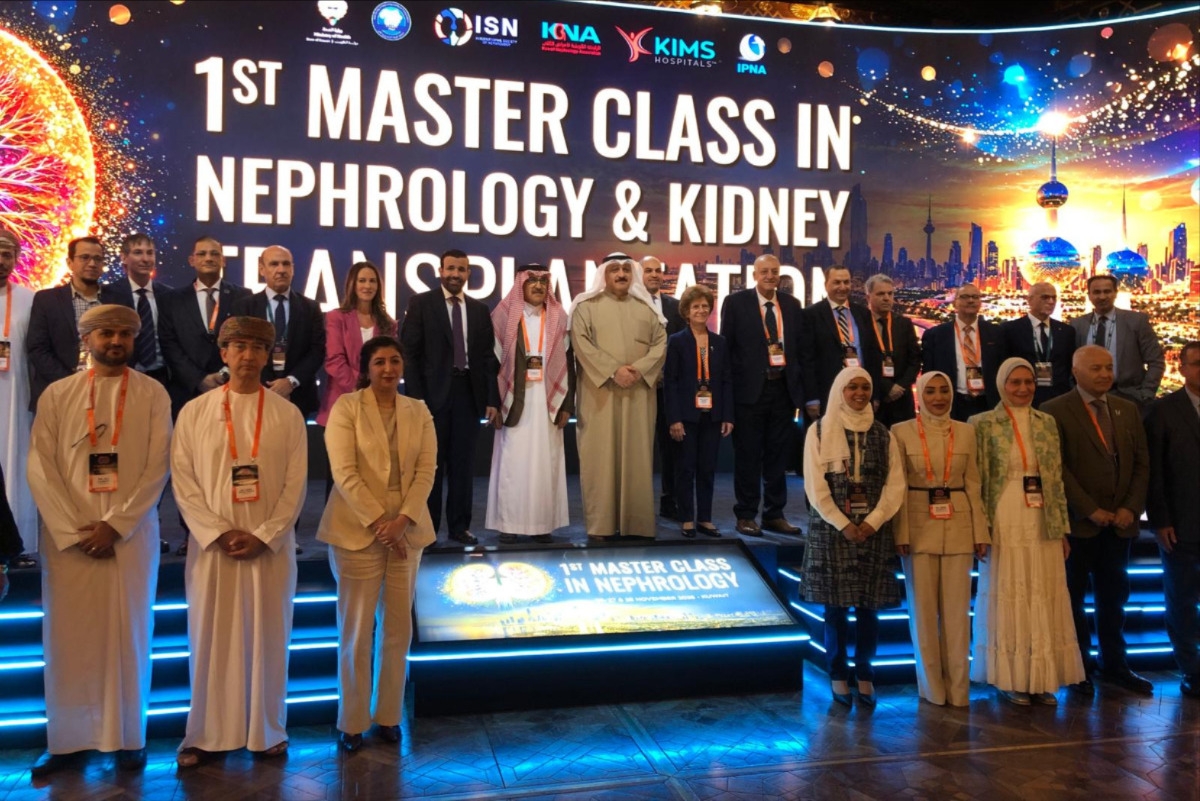
The Health Minister revealed that 404 kidney transplant procedures were recorded in Kuwait over three years, with the opening of a new dialysis center in Ahmadi Health.
Translated by Alqyas from Al-Jarida — Original source
Health Minister Dr. Ahmed Al-Awadi announced that 404 kidney transplant procedures were recorded in Kuwait over the past three years, including 126 procedures by November 2026. Among these, six were performed on children, marking the first time children weighing less than 15 kilograms underwent the procedure. This compares to 129 procedures in 2025 and 149 in 2024, during which the success rate of transplants exceeded 96 percent.
Dr. Al-Awadi emphasized, during the opening of the First Masterclass on Nephrology and Renal Transplantation, Kuwait’s commitment to developing kidney patient care services through the expansion of kidney transplant and dialysis programs, as well as strengthening medical infrastructure, equipment, and specialized expertise. He highlighted the launch of the National Family Exchange Program, which broadens compatibility opportunities and enhances patients’ access to transplant benefits.
He noted that Kuwait’s kidney transplant program began in 1979 and has seen continuous development over decades, culminating in the opening of the Kuwait Center for Kidney Diseases and Transplantation in the Al-Sabah Specialized Medical Area in 2024, with a capacity of 80 beds.
Dr. Al-Awadi added that approximately 2,600 patients in Kuwait receive dialysis, with 88 percent undergoing hemodialysis and 12 percent peritoneal dialysis. He pointed to the opening last August of the Sheikh Jaber Al-Ahmad Al-Sabah Dialysis Center in the Ahmadi Health Area, funded by a generous donation from the heirs of the late Sheikh Jaber Al-Ahmad Al-Jaber Al-Sabah.
He noted that around 519 patients in the Ahmadi Health Area benefit from dialysis services, while the prevalence rate of long-term hemodialysis stands at 417 patients per million population.
Dr. Al-Awadi highlighted that the World Health Organization estimates the global number of individuals suffering from chronic kidney disease at approximately 674 million. He stressed the importance of early detection and integrating kidney health into primary healthcare services, particularly for high-risk groups, alongside investing in prevention, awareness, and the development of dialysis and transplant services, as well as supporting medical and nursing staff.
For his part, Dr. Turki Al-Otaibi, Chairman of the Organizing Committee of the conference and President of the Arab Society for Nephrology and Renal Transplantation, stated that the conference serves as a scientific platform bringing together a select group of experts and specialists from the Arab region and around the world to exchange knowledge and discuss the latest research and challenges facing medical practice, thereby positively impacting patient care and improving their quality of life.
Dr. Al-Otaibi clarified that the conference aims to strengthen ties between Arab nephrology societies and expand cooperation with international scientific institutions. He noted that scientific research is one of the key priorities of the Arab Society for Nephrology and Renal Transplantation. In this context, the society launched its scientific journal starting in 2026, having published three issues so far.
