"Al-Abhath" develops technology that boosts vegetable production and cuts irrigation water use by 40%
A research project develops an organic soil enhancer that increases production and reduces water consumption.
Translated by Alqyas from Al-Jarida — Original source
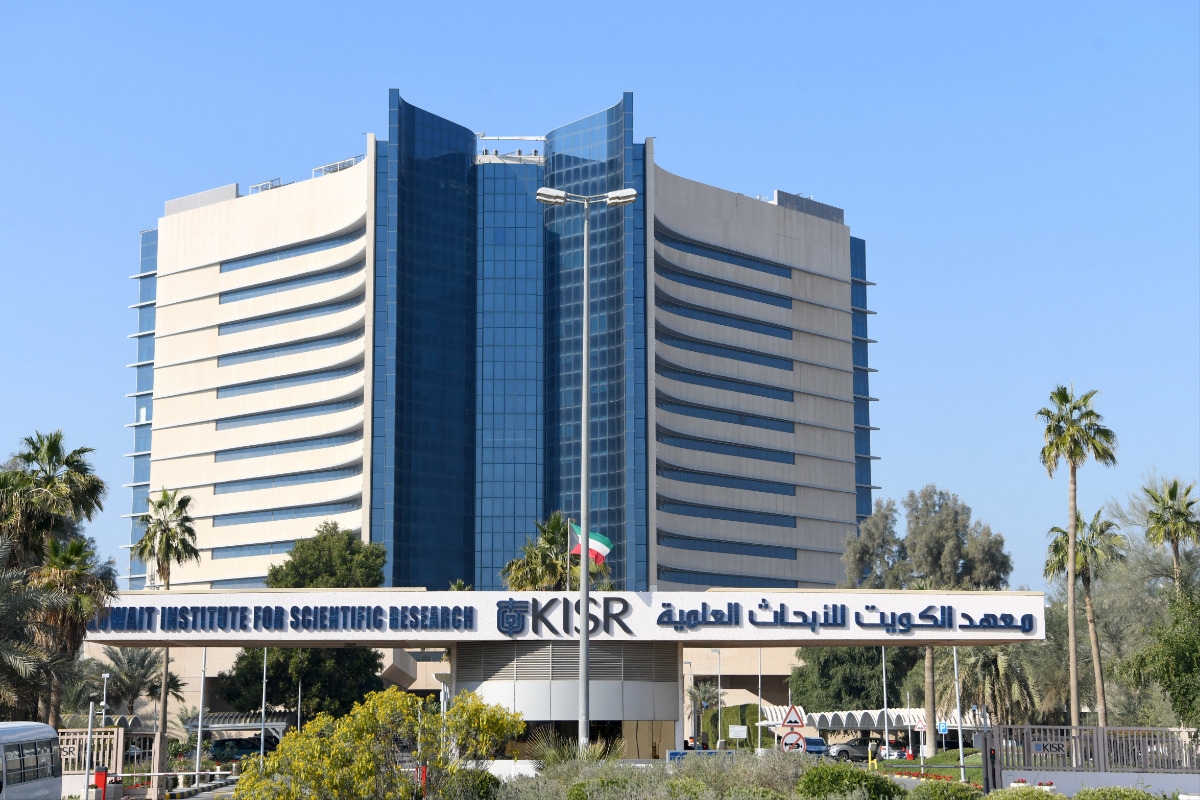
Dr. Hanaa Bourzoug, a research scientist at the Center for Environmental and Life Sciences Research at the Kuwait Institute for Scientific Research (KISR), told the Kuwait News Agency (KUNA) that the research project, titled “Reclaiming farm soil using organic soil amendments to conserve water, thereby increasing vegetable production,” aims to improve soil properties and boost yields under regulated irrigation conditions, thereby supporting sustainable agriculture and food security in the State of Kuwait.
She noted that the study relied on adding organic soil amendments at a rate of 10 tons per hectare and using drip irrigation while supplying 60 percent of the crops’ water requirements, comparing the results with crops grown in soil without the amendment under the same irrigation conditions.
The results showed significant increases in productivity for cabbage (406 percent), cauliflower (275 percent), broccoli (226 percent), okra (122 percent), lettuce (85 percent), and tomatoes (17 percent) compared to crops grown in soil without the amendment.
She pointed out that using the organic amendment alongside regulated irrigation contributed to improving the water productivity of crops. Specifically, water productivity rose for tomatoes from 6.12 to 14.36 kilograms per cubic meter of irrigation water, for lettuce from 3.72 to 13.79 kilograms, and for eggplant from 2 to 4.60 kilograms per cubic meter.
Regarding the recycling of agricultural waste, she stated that the project demonstrated the feasibility of converting crop residues, damaged vegetables, and sheep and camel manure into high-quality organic compost through a controlled decomposition process involving aeration, humidity regulation, and periodic turning.
Laboratory analyses revealed that the produced compost contained 55 percent organic matter and 30 percent organic carbon, along with high levels of essential nutrients for plant growth and low concentrations of heavy metals, enhancing its suitability for agricultural use.
She emphasized that combining soil improvement with organic amendments, regulated irrigation, and the recycling of agricultural waste represents a promising approach to addressing agricultural challenges in Kuwait, raising the efficiency of natural resource use, rehabilitating soils, and promoting the principles of the circular economy in the agricultural sector.
She stressed the importance of continuing studies to evaluate long-term field performance, determine optimal rates for organic amendment application, assess economic feasibility, and explore the potential for wider application of the technology in local farms.
She noted that the project’s results reflect the Institute’s efforts to develop science-based solutions for achieving sustainable agricultural production, rationalizing water consumption, utilizing agricultural waste, and enhancing food security in the State of Kuwait.
