Economic Report: State Assets... Between Opportunity Creation and the 'Highest Bidder' Mentality
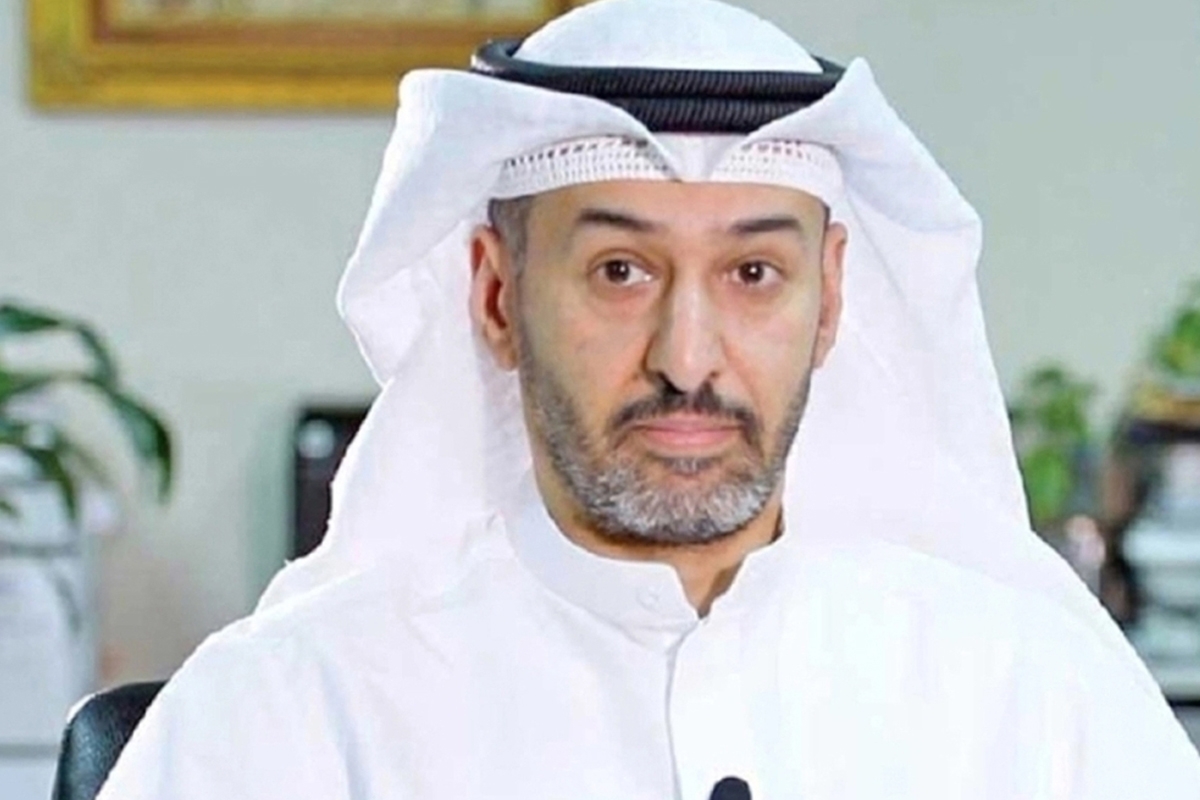
The report stresses that investing state assets should focus on creating jobs and diversifying the economy rather than solely pursuing the highest financial returns.
Translated by Alqyas from Al-Jarida — Original source
The signing of the Kuwait Public-Private Partnership Projects Authority’s contract for consulting services to prepare studies for re-offering 23 state-owned real estate projects opens the door to affirming the importance of investing in state assets to achieve economic benefits that surpass, in significance and priority, mere financial returns.
The true value of state assets lies not only in the millions of dinars they generate annually for the public treasury, ranging between 130 and 150 million, but also in their economic impact, which consists of transforming them into job opportunities for Kuwaiti entrepreneurs, stimulating initiatives, attracting technology, and fostering a competitive environment, ultimately contributing to the growth and diversification of GDP. This is particularly significant given that, according to the Ministry of Finance’s 2023 assessment, the recorded value of state-owned land reached 121.8 billion dinars, making it the third most important sovereign asset after oil and the Future Generations Reserve Fund.
The 23 real estate assets scheduled for re-offering by the Partnership Authority, in collaboration with the Ministry of Finance, must be managed according to an economic feasibility mindset. This means these lands should serve as creators of job opportunities in the private sector or in small and medium-sized enterprises (SMEs), increase the number of individuals registered under Chapter Five of the Social Security system, and provide a diverse range of goods and services in the market while removing barriers to the business environment.
Considering that the 23 offered real estate assets—previously announced—include two construction waste treatment plants, two marine fronts, one recreational site, four slaughterhouses, three markets for meat, vegetables, and fish, a golf club, ten centers, and a commercial market similar to Al-National, Al-Safat, and Al-Munaakh complexes, the economic benefits from these assets can only be realized if operating companies are selected based on criteria that go beyond financial offers alone. These criteria must include their ability to create job opportunities for Kuwaiti youth, either through direct employment within the company operating the project or by facilitating investment and leasing opportunities for entrepreneurs within the project. This should be conditional upon benefits and priority in rents and prices being linked to full-time dedication to managing the commercial activity.
It is important to emphasize that the state lands offered to investors and entrepreneurs should be more diverse, ranging from markets and complexes to service, technological, and health-related opportunities, to further diversify the nature of the business environment, particularly for small projects.
The problem with the mindset governing the management of state assets is that it does not focus on creating opportunities or diversifying services. For instance, if we look at a number of opportunities offered this year, such as investing in small activities in popular cafes or the “Baraih Salem” project in the Salmiya area, we find that the offerings did not prioritize small projects. Instead, they continue to rely on the “highest bidder” mentality, without considering the job opportunities these projects could provide or the impact of high rental prices on the heritage character of these facilities. For any entrepreneur, these costs represent approximately 40 to 50 percent of the expected project capital. Furthermore, there is unfair competition between global coffee companies and local firms for winning bids for restaurants and cafes in hospitals and government entities, which are typically awarded to the “highest bidder,” often an agent for a global company.
Even the regulations set by the Ministry of Social Affairs and Labor regarding the investment of kiosks (“booths”) in cooperative societies have made the “highest bidder” the priority in awarding contracts.
This issue is multifaceted, extending beyond cafes and small facilities to encompass industrial, craft, and service lands, which reflect a significant aspect of the limitations within productive sectors, their development potential, and their capacity to attract capital, ideas, and jobs.
However, if we seek a realistic approach to addressing the pressures and costs associated with the concentration of nearly 84 percent of the Kuwaiti workforce in the public sector—considered one of the most severe structural imbalances in the Kuwaiti economy—we must stimulate job opportunities in the private sector. This requires assigning substantial weight to non-financial criteria when awarding any project, tender, bid, or concession contract to a company, rather than limiting the evaluation to the highest financial offer, which would ultimately impose disproportionately higher economic costs.
