Al-Zaidi Orders Handover of Baghdad Border Crossings and Oil Fields in Kurdistan Region
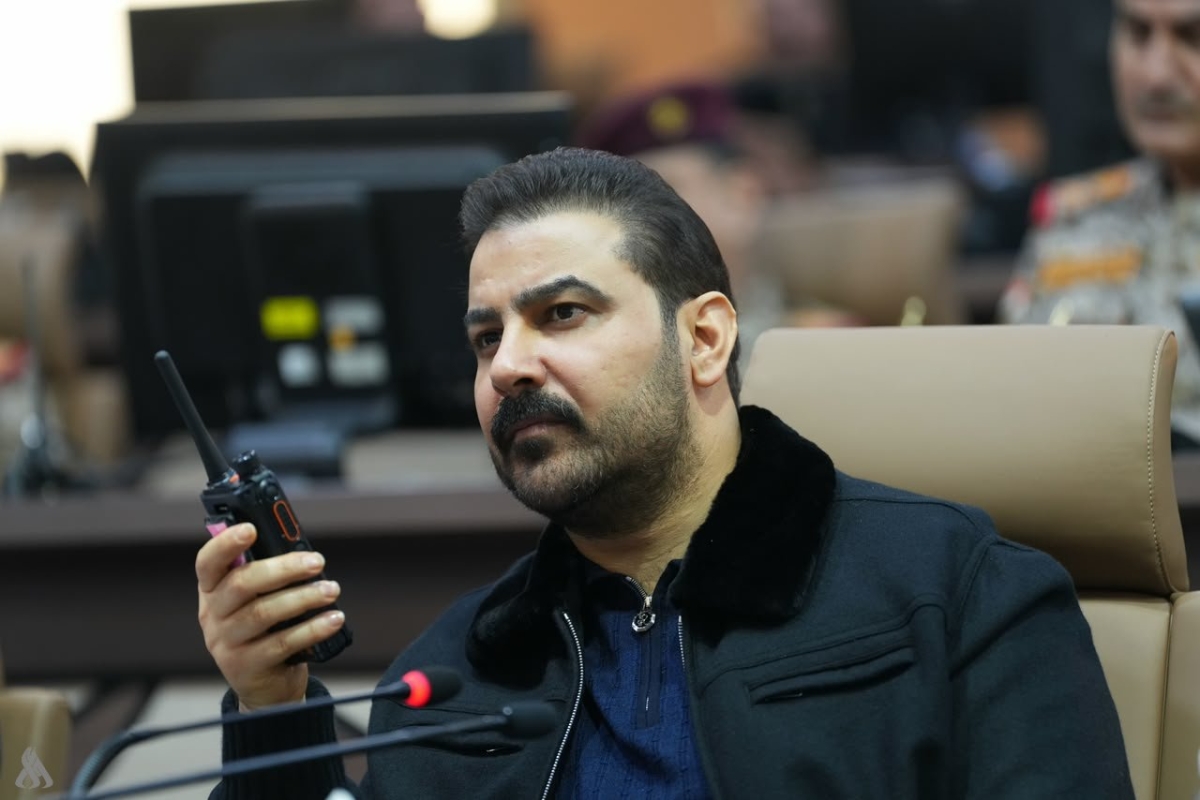
Iraqi Prime Minister Ali Al-Zaidi ordered today that border crossings and several oil fields previously managed by the Kurdistan Region be placed under the control of the federal government, a move that could lead to tensions with the autonomous region. Al-Zaidi had pledged
Translated by Alqyas from Al-Jarida — Original source
Iraqi Prime Minister Ali al-Idi ordered on Monday that border crossings and several oil fields previously managed by the Kurdistan Region be placed under the control of the federal government, a move that could strain relations with the autonomous region.
Al-Idi had pledged to combat rampant corruption in Iraq and initiated strict measures to curb oil smuggling, including the arrest of officials in the oil sector. He also launched an investigation into allegations of oil smuggling at a stronghold of an Iran-backed Iraqi faction in an area south of Baghdad, which government forces entered late last week.
Earlier this month, al-Idi dispatched an investigative commission to northern Iraq.
Based on the commission’s findings, Prime Minister’s Office spokesperson Sahab al-Nu’man announced on Tuesday that “the Border Crossings Authority has taken over all crossings in the Kurdistan Region of Iraq,” and that the Ministry of Oil has been directed to manage all oil fields under its jurisdiction located within the administrative boundaries of Diyala, Kirkuk, Salah al-Din, and Nineveh provinces, which are under the region’s security authority.
A government source and another source from North Oil Company told Agence France-Presse that Peshmerga forces affiliated with the region have been deployed since 2003 at some wells and oil sites managed by the company in several provinces bordering the region.
These sites include the Khormawle oil field, which the region took control of in 2008. Although located near the border between Erbil and Kirkuk, it is administratively part of Kirkuk province.
Commenting on the decision, Kurdistan Region Prime Minister Masrour Barzani said, “We were surprised by today’s statement, as it does not align with the substance of the talks we had previously,” adding that it is “unacceptable in any form.”
Despite their internal differences, the two largest political parties in Iraqi Kurdistan issued a joint statement calling for the constitution to serve as “the governing reference in resolving any dispute between the Kurdistan Region government and the federal government.”
The two parties, the Kurdistan Democratic Party (KDP) and the Patriotic Union of Kurdistan (PUK), warned against “violating the rights and gains of the Kurdish people,” describing such actions as “red lines that cannot be crossed.”
Tensions have frequently marred relations between Baghdad and the region’s authorities due to disputes over oil exports.
In 2025, Iraq resumed crude oil exports from the Kurdistan Region via the Iraq-Turkey pipeline after a halt of more than two years caused by legal and technical disputes. Prior to that, the region’s authorities exported oil independently without the approval or oversight of the federal government.
Barzani stressed that the region would not accept “subjection to decisions contrary to the constitution or the imposition of anyone’s will upon it,” calling instead for dialogue and cooperation “through legal and constitutional means.”
A former official in the Ministry of Oil told Agence France-Presse that the Kurdistan Region had long exported oil to Turkey not only through pipelines but also in large quantities via tanker trucks “without the approval of the Iraqi government.”
He pointed to “the existence of illegal crossings through which oil was smuggled, some of it coming from outside the region to neighboring countries.”
He ordered the closure of all “informal crossings,” tightened security measures at oil fields, and deployed Ministry of Oil staff at checkpoints leading to the three provinces under the Kurdistan Region’s administration.
This step follows tensions that nearly escalated into a confrontation with Tehran-backed Kataib Hezbollah militias, after the government announced that activities at their stronghold in Jarf al-Sakhr, south of Baghdad, were aimed at smuggling oil.
Its oil exports were severely impacted during the Middle East war due to disruptions in navigation through the Strait of Hormuz, the main route for Iraqi oil shipments, and only recently began to recover.
