Al-Banna to Al-Jarida: Nuclear Medicine Department in Farwaniya serves 4,000 cases annually
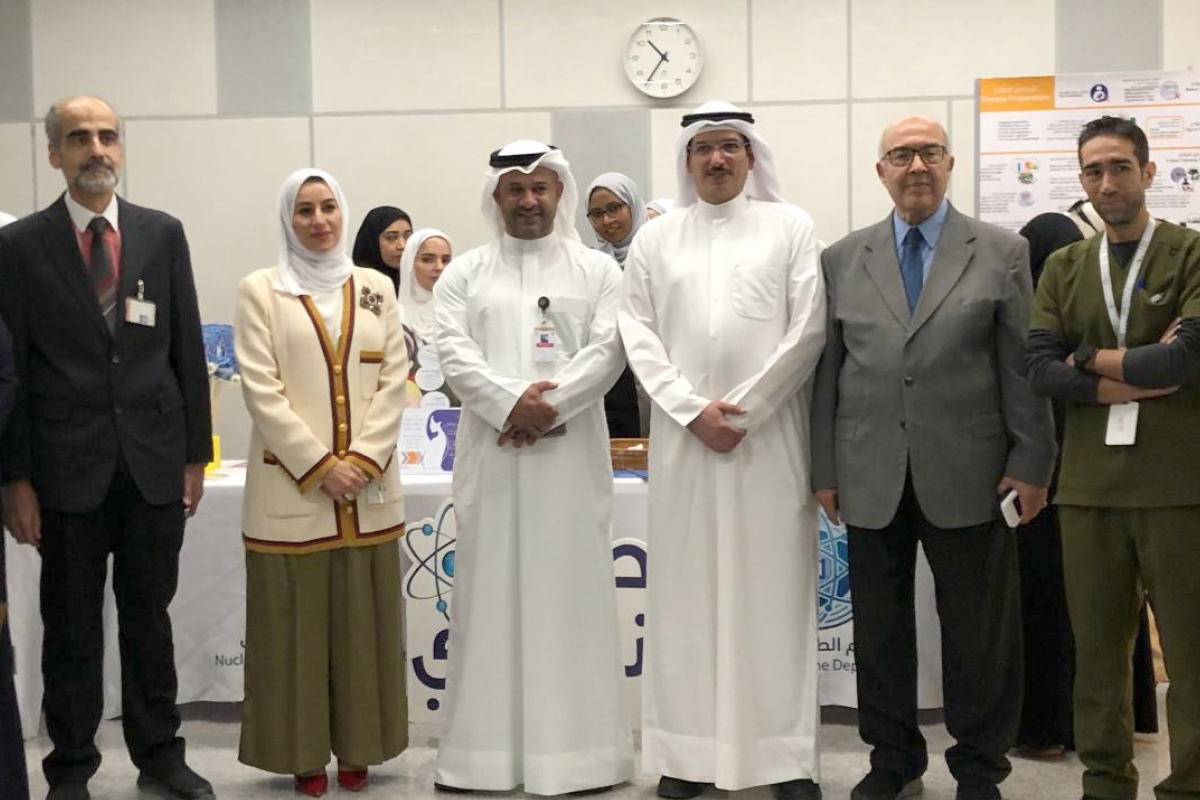
The Nuclear Medicine Department at Farwaniya Hospital organized an awareness event on the safe use of radiation, under the patronage of the Director of the Health Region.
Translated by Alqyas from Al-Jarida — Original source
The Nuclear Medicine Department at Farwaniya Hospital, in collaboration with the Radiation Protection Administration of the Ministry of Health, organized an awareness campaign under the slogan “Safe Radiation... for Better Care,” sponsored by Dr. Mohammed Al-Rashidi, Director of the Farwaniya Health Area, and attended by Dr. Ali Al-Mutairi, Hospital Director, and Dr. Ahmed Al-Dosari, Head of the Hospital’s Medical Board. The event aimed to raise awareness about the safe use of radioactive materials and to reinforce radiation protection and safety procedures.
Dr. Zaina Al-Banna, Head of the Department, told “Al-Jarida” that the campaign seeks to increase awareness of radiation concepts, introduce methods of protection and ways to reduce exposure for staff and patients, correct misconceptions related to the use of radioactive materials, and outline the design requirements for health facilities in accordance with ministerial regulations. It also covers the examinations and preparations required before and after procedures to minimize radiation exposure, with a special focus on vulnerable groups, including children, pregnant women, and infants.
Dr. Al-Banna noted that the department provides diagnostic and therapeutic nuclear medicine procedures for various body organs, serving all age groups, including newborns, children, pregnant women, and patients with kidney failure. The department handles between 3,000 and 4,000 cases annually.
Addressing the most common misconceptions, Dr. Al-Banna clarified that some patients believe that the materials used in nuclear medicine tests affect the kidneys or remain in the body indefinitely. This is incorrect, as the radioactive materials used are self-decaying and dissipate over a specific period. Patients are given appropriate instructions during this time.
For his part, Dr. Nasser Al-Juwaisir, Director of the Radiation Protection Administration at the Ministry of Health, emphasized the importance of strengthening radiation safety culture and ensuring the safe use of diagnostic and therapeutic medical technologies, thereby protecting patients and staff and minimizing unnecessary radiation exposure.
Dr. Al-Juwaisir stated that the Administration’s participation in the event aims to educate patients and visitors about the importance of safely using diagnostic and therapeutic radiation, leveraging modern medical technologies while adhering to protective measures for patients and staff. He commended the efforts of the hospital administration, the Nuclear Medicine Department, and all those involved in the initiative, which contribute to enhancing awareness and promoting a culture of radiation safety.
