8 Steps to Enjoy Food and Limit Blood Sugar Levels
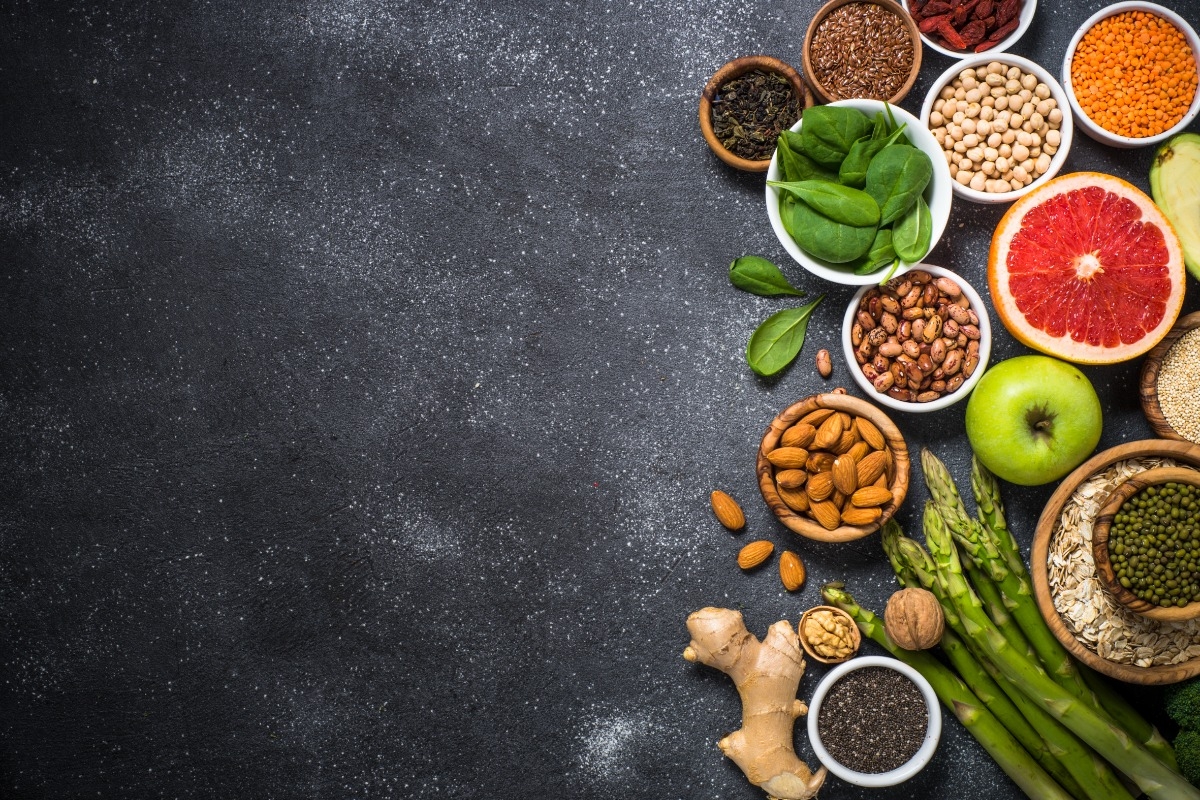
Dietary guidelines and lifestyle for preventing high blood sugar
Translated by Alqyas from Al-Jarida — Original source
Blood sugar management is no longer limited to people with diabetes; it has become an essential part of preventive health and a balanced lifestyle. The way food is consumed, portion sizes, the arrangement of meal components, and even physical activity after eating are all factors that can influence the body’s response to blood glucose levels.
Notably, controlling high blood sugar does not necessarily require avoiding favorite foods or following strict diets. Positive results can be achieved through a set of smart daily habits that help the body process carbohydrates more effectively and support stable energy levels and feelings of fullness.
Consuming large amounts of food at once can lead to a noticeable spike in post-meal blood sugar, especially when the meal is rich in carbohydrates. Therefore, it is advisable to regulate meal times and distribute portions according to the body’s needs. Adopting three main meals and two light snacks when necessary is recommended, though this division should not be considered a mandatory rule for everyone.
Drinking water before meals helps hydrate the body and supports vital functions. Lemon or mint leaves can be added for a refreshing flavor, but it is important to note that these additions are not proven methods for preventing blood sugar spikes. Similarly, vinegar, cinnamon, and ginger are not substitutes for dietary regulation or medical treatment.
Salad is not just a side dish but an important element in building a balanced meal. Vegetables rich in fiber help slow down digestion and contribute to improved blood sugar response after eating. Adding a teaspoon of olive oil and varying vegetables such as cucumber, lettuce, arugula, tomatoes, and broccoli can enhance the meal.
Including a good source of protein in a meal helps promote satiety and regulate appetite. Suitable options include grilled chicken, fish, eggs, unsweetened yogurt, and legumes. When protein is consumed with vegetables before carbohydrates, arranging the meal in this order may help limit post-meal blood sugar spikes.
Not all carbohydrates are the same; there is a significant difference between refined carbohydrates and fiber-rich whole grains. It is preferable to choose bulgur, whole oats, lentils, beans, and chickpeas, adjusting portions according to the body’s needs. Rice can be consumed in moderate amounts alongside lentils or vegetables, rather than relying on large quantities of white rice alone.
A beneficial habit is to consume carbohydrates after vegetables and a protein source, rather than starting with them, while keeping in mind that the total amount of carbohydrates remains a key factor.
Fruit is an important part of a healthy diet, and there is no need to exclude it out of fear of its natural sugar content. It is better to eat whole fruits instead of juices. Combining fruit with a small amount of raw, unsalted nuts or seeds, such as almonds, walnuts, and chia seeds, is recommended. This choice provides fiber, healthy fats, and protein, making the snack more balanced.
Monitoring blood sugar levels is not just about a number; it is a tool for understanding how the body responds to different foods. For people with diabetes, measuring blood sugar before a meal and two hours after starting it can be useful, according to a follow-up plan determined by a doctor. Regular monitoring also helps identify the impact of portion size, food type, and physical activity on blood sugar levels.
Moderate walking after meals is one of the simplest and most beneficial habits for supporting blood sugar regulation. Muscle activity helps the body use glucose as an energy source, and walking for 10 to 15 minutes after a meal can help mitigate postprandial blood sugar spikes. Intense exercise is not required; regular, gentle movement makes a difference when practiced consistently.
Controlling blood sugar levels does not rely on a single dietary trick or on food deprivation, but rather on an integrated system of conscious choices: balanced meals, adequate fiber, appropriate protein, carefully measured carbohydrate portions, and regular physical activity.
The most important message is that prevention begins with small details we practice daily—from arranging your plate and selecting its ingredients to taking a walk after eating.
Don’t just change what you eat… change how you eat it.
These guidelines support a healthy lifestyle and do not replace medical treatment or follow-up. Dietary plans should be tailored to individual health conditions, medications, and personal needs.
