Al-Ansari to Al-Jarida: 11,000 patients annually for Endocrine and Diabetes Unit in Farwaniya
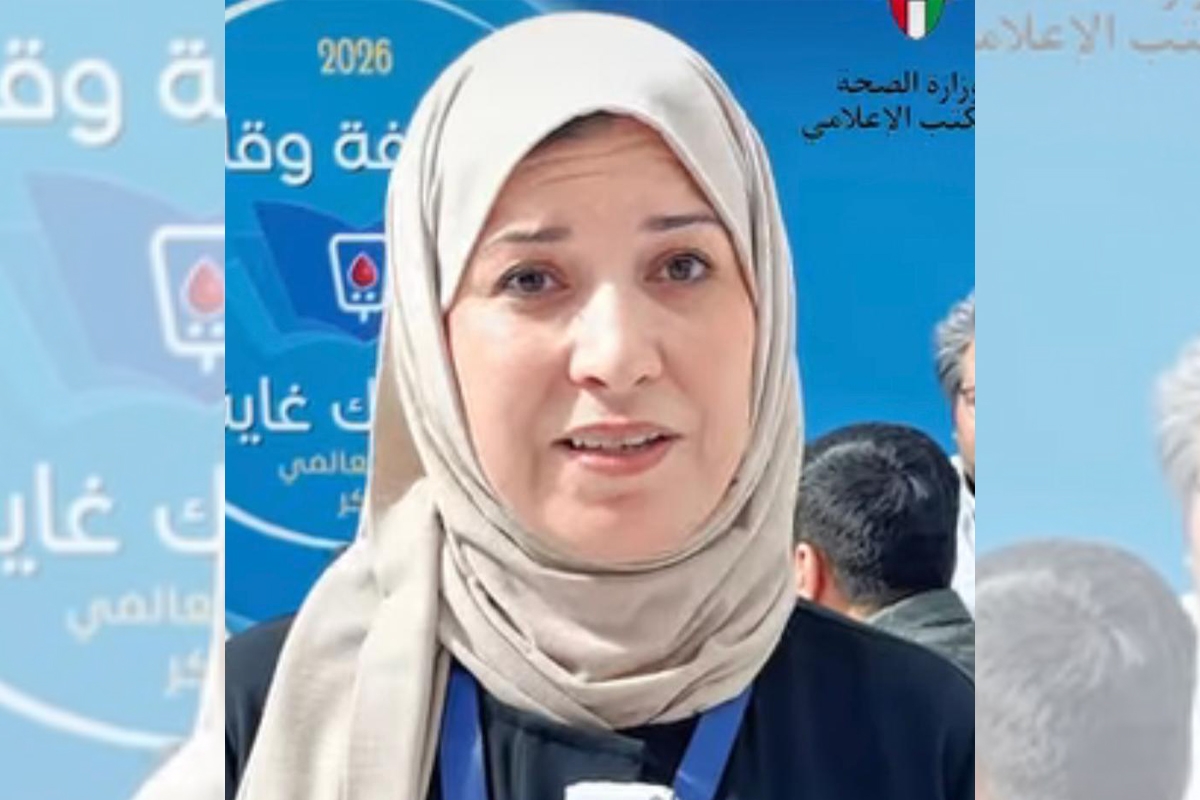
Dr. Salasil Al-Ansari reveals consultations for approximately 2,061 patients in 2025 at the Endocrine and Diabetes Unit
Translated by Alqyas from Al-Jarida — Original source
Dr. Salasil Al-Ansari, head of the Endocrinology and Diabetes Unit at Al-Farwaniya Hospital, revealed that approximately 11,000 patients visit the unit, with a rate of 1,000 new patients annually, noting that medical consultations were provided to about 2,061 patients in 2025.
Speaking to Al-Jarida, Al-Ansari stated that the unit offers a comprehensive range of specialized services, including clinics for Type 1 and Type 2 diabetes and gestational diabetes, as well as follow-up care for patients using insulin pumps and continuous glucose monitors. These services are complemented by general endocrinology clinics and specialized clinics for thyroid cancer, osteoporosis, and obesity.
She added that the unit’s services aim to meet the healthcare needs of the population of Al-Farwaniya Governorate, which has a total population of 1,305,725. Non-Kuwaitis constitute approximately 80% of this population, while Kuwaitis make up the remaining 20%, reflecting the high demand for medical and specialized services in the governorate.
Al-Ansari clarified that the unit operates approximately five clinics daily from Sunday to Thursday, alongside a weekly obesity clinic and a specialized gestational diabetes clinic in collaboration with the Obstetrics and Gynecology Department at Al-Farwaniya Hospital. This structure ensures coordinated, multidisciplinary care for cases requiring joint medical management.
Regarding diabetes, Al-Ansari emphasized the importance of early diagnosis, prevention, and adherence to treatment plans. She stressed the necessity for diabetic patients to regularly consult their physicians, take medications on schedule, and undergo periodic laboratory tests and examinations, all of which contribute to better blood sugar control and a reduction in complications.
