Fear of Phone Calls.. A Psychological Problem Increasing Among Younger Generations
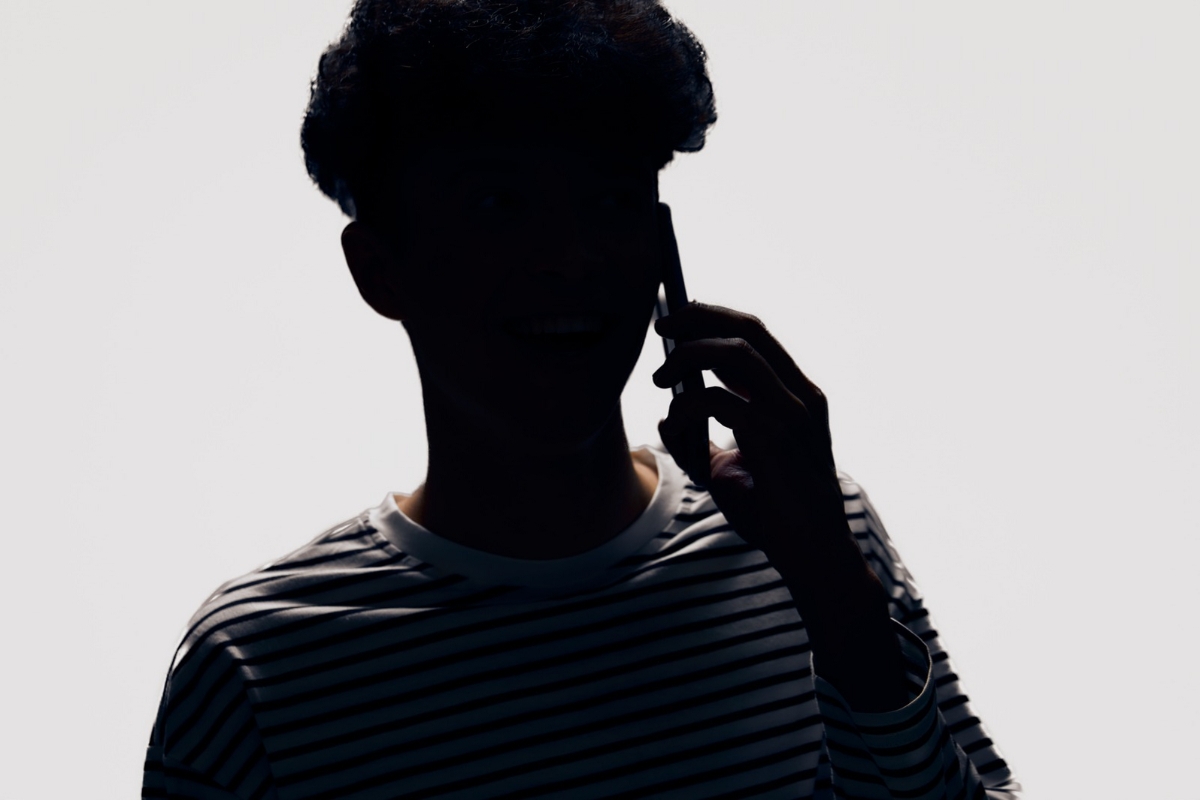
A research project at the University of Koblenz analyzes the causes of fear of phone calls and its impact on younger generations
Translated by Alqyas from Al-Jarida — Original source
The mere thought of making a phone call was enough to trigger anxiety in Anika (28). At such moments, the young woman from Koblenz, Germany, experiences a racing heart and sweaty palms, sometimes even ending up in tears. Her fear is so intense that she prefers going to work while sick rather than calling to report her absence.
Anika is not alone in this fear. A research project at Koblenz University is examining the reasons why some people feel psychological stress when making phone calls, and how they can handle these situations better. Lea-Christine Wickert, who leads the project at the Digital Media Lab in collaboration with researcher Claudia Kuehner-Beer, says: “We started the study because we observe that this problem is increasing. It is widespread, especially among younger generations.”
Within the scope of this limited study, the research team analyzed data from 142 participants aged between 14 and 68. The researchers noted that fear of phone calls was more pronounced among younger people compared to older adults. According to preliminary results, women were more affected by this issue than men.
Wickert clarified that fear of phone calls is not an independent medical diagnosis, but it may appear in the context of social anxiety disorder, in which sufferers, for example, fear that others will judge them negatively. However, some people feel afraid only when speaking on the phone, while facing no difficulties in other social situations.
Anika says: “In the past, during my teenage years, it was absolutely terrible. I couldn’t cope with it at all, and I would have severe crying spells.” She adds that the situation has improved now, because as an adult, she can no longer always avoid phone calls in her daily life.
Anika notes that she rarely speaks on the phone with her friends nowadays. Her aversion to phone calls extends not only to making them but also to receiving them. She says: “Actually, I consider a sudden, unsolicited call from someone an intrusion on my privacy, and I think my friends would likely feel the same way... If we decide to make a call, we schedule it in advance, which rarely happens anyway. Unplanned calls usually occur only in emergencies.”
Anika finds it particularly difficult to have conversations with people she does not know. When it comes to doctors’ offices, real estate agents, or internet companies, she has to overcome her fear to make the call. She says: “My biggest fear is always that I will call people at a time when they don’t have time, or that they will be annoyed by my call.” Anika has personally experienced the extent to which this fear can limit her life; she once dropped out of applying to inquire about apartments when real estate agents required phone contact.
According to the findings of the Koblenz research team, the feeling of being able to control the situation is an important factor in this context. Wickert explains: “If I feel that I cannot control how things will go, or cannot control them at all, my fear of phone calls is much greater.” Those who believe they can control the course of the conversation feel less fear, she says. Wickert adds that socially outgoing people are less prone to this problem. The study also showed that incoming calls were less bothersome to participants compared to outgoing calls.
Nadine Wolf, a psychiatrist and psychotherapist currently working at the University Hospital of Ulm, explains this fear by the sudden social interaction that phone calls require. Wolf previously led a study on smartphone use and fear of phone calls while working at Heidelberg University Hospital.
Wolf believes that people who suffer from this fear may worry about not being able to respond quickly enough, stumbling over their words, or failing to express their thoughts clearly. Because facial expressions and gestures are absent, communication relies entirely on language. In text messages and emails, replies can be composed calmly, edited, or delayed. According to Wolf, agreeing in writing to schedule a phone call—as Anika does—is described in some circles as “digital etiquette.”
Wolf says that continuously avoiding fear-inducing situations may worsen the fear in the long term, so she believes that people with severe phone anxiety could benefit from gradual exposure. She advises that they start with simple situations, jot down points they want to discuss, or prepare an opening sentence in advance. If the fear clearly impairs daily life, seeking medical advice is advisable.
Anika has also found ways to cope with her fear; instead of sitting for long periods in front of the phone and hesitating to make the call, she now tries to complete calls as quickly as possible. She also informs her friend in advance that she will be calling, which helps her actually take the step. Nevertheless, the fear has not disappeared completely. Anika says, “My hands are still sweating, and I’m still afraid the call will go awry.”
Vikord sees ways to support people who face this problem. The research team in Koblenz plans, based on its findings, to develop and test therapeutic approaches. These include behavior-based exercises and easy-to-implement communication training. Those who feel anxious merely at the thought of having to make a phone call may find encouragement in the researcher’s confirmation, as Vikord states, “One can certainly learn to handle phone calls again.”
