Gold prices drop 4.5%.. Biggest weekly loss in 8 months
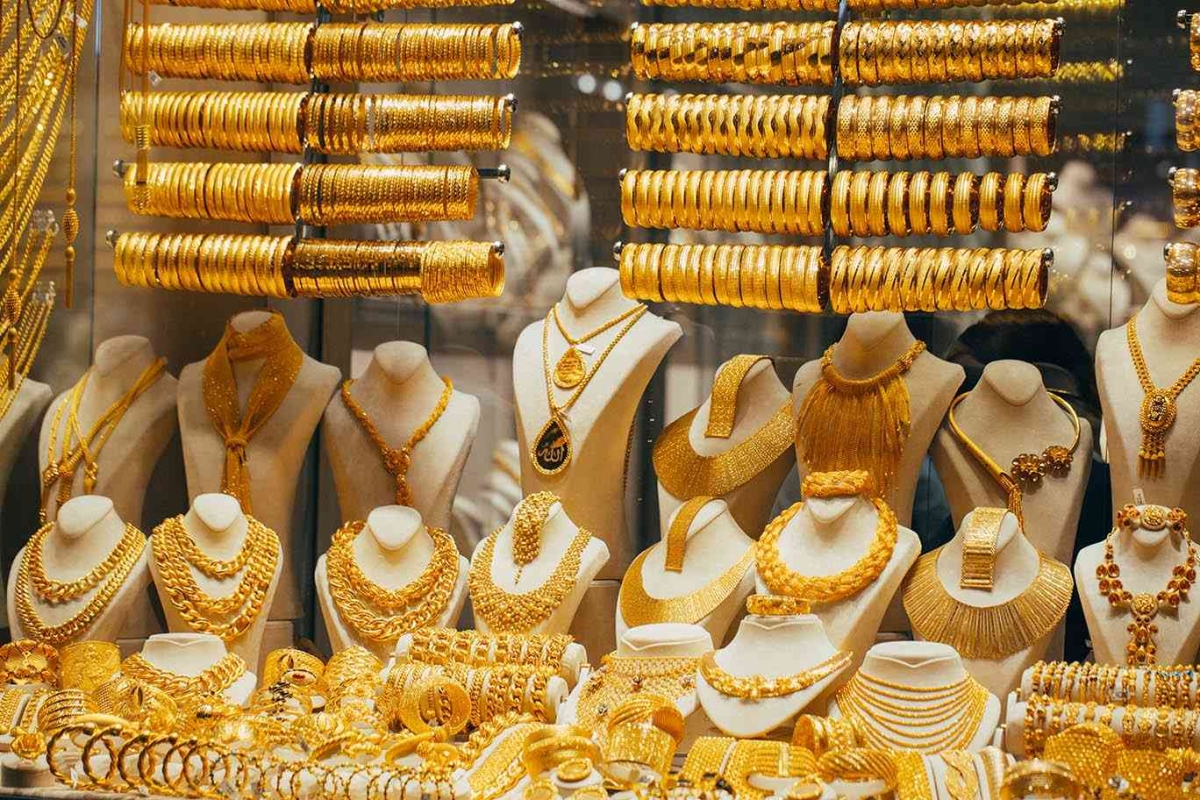
A report by the Mint clarifies the decline in gold due to tightening US monetary policy and the strength of the dollar
Translated by Alqyas from Al-Jarida — Original source
Gold prices fell by approximately 4.5% during last week’s trading sessions, closing at $3,539 per ounce, marking the largest weekly loss in nearly eight months amid rising expectations of tighter U.S. monetary policy, a stronger dollar, and turbulence in global financial markets.
A report issued today by Kuwait’s Dar Al Sibaak stated that gold recorded its second consecutive weekly decline, as precious metals faced a broad wave of selling driven by a combination of economic and financial factors, most notably heightened expectations for higher U.S. interest rates, reduced investor appetite for high-risk assets, and institutional investors’ moves to rebalance portfolios and raise liquidity.
The report added that pressures were not limited to monetary factors but extended to technology and artificial intelligence markets, after Anthropic’s initial public offering failed to restore investor confidence in sector stocks, contributing to continued market volatility and increased liquidation of various assets to cover investment positions.
It clarified that gold faced additional pressure as some investors shifted toward sovereign bonds in search of safer havens, coinciding with the sustained strength of the U.S. dollar and the rising cost of holding gold, which yields no periodic income.
The report noted that expectations regarding U.S. monetary policy remain the most influential factor in determining gold’s direction in the current phase, particularly given ongoing inflation concerns and the likelihood of interest rates remaining at elevated levels for longer.
It pointed out that these developments reflect a shift in investor sentiment, with bets on monetary easing declining amid growing probabilities of continued tightening at upcoming meetings of the U.S. Federal Reserve.
Dar Al Sibaak’s report explained that higher interest rates enhance the attractiveness of yield-generating assets compared to gold, thereby limiting investment demand for the precious metal, especially in light of the strong U.S. dollar.
It highlighted that the relationship between the U.S. dollar and Treasury yields will remain among the key factors influencing gold’s movement, as a stronger U.S. currency makes the precious metal more expensive for holders of other currencies, while rising yields boost the appeal of bonds relative to assets that do not generate periodic income.
It noted that during periods of broad market stress, investors may liquidate their gold positions to cover losses in other markets, explaining why gold has not benefited as usual from rising market uncertainty.
The report indicated that a return of stability to equity markets and a reduced need for liquidity could help gold regain some of its investment appeal.
On the local front, Dar Al Sibaak’s report stated that gold prices in the Kuwaiti market continue to be directly affected by global ounce movements and the U.S. dollar-to-Kuwaiti dinar exchange rate, with the recent wave of declines in global markets reflected in local price levels.
It noted that the price of 24-karat gold per gram stood at approximately 36 dinars, while the price of 21-karat gold reached about 31.56 dinars, and the price of a kilogram of silver was around 484 dinars.
