Regulatory Framework for Open Banking Services in Kuwait Enters into Force
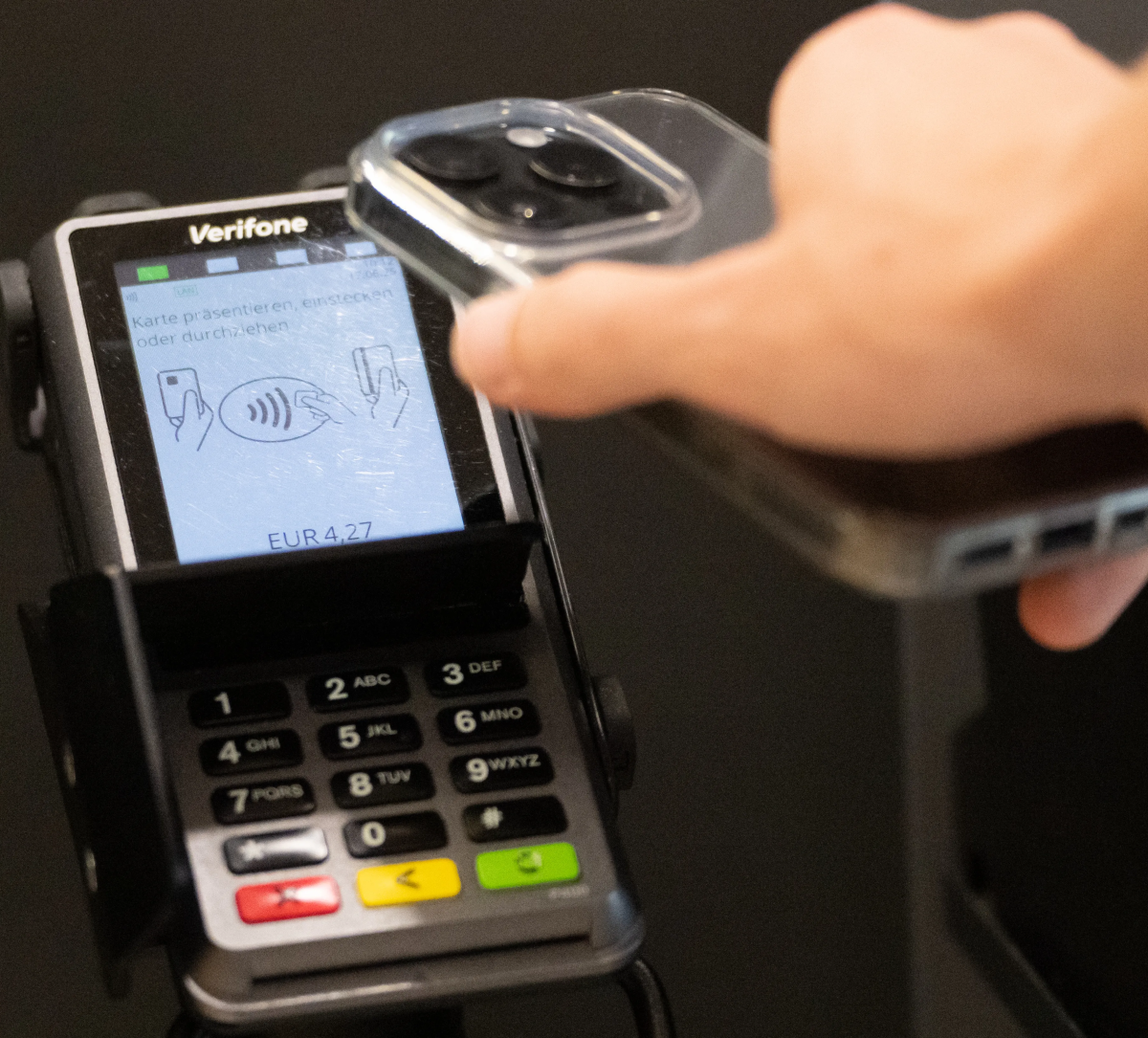
The regulatory framework for open banking services in Kuwait officially entered into force, with licensing controls for companies and required capital specified.
Translated by Alqyas from Al-Jarida — Original source
Kuwait’s regulatory framework for open banking services officially came into effect today, Sunday, following the publication of the Central Bank of Kuwait’s decision to update the instructions regulating electronic payment activities in the “Kuwait Al-Yawm” newspaper. This enables the licensing of companies to provide account information services and payment initiation services under specific controls, with minimum capital requirements starting at 100,000 Kuwaiti dinars, alongside the regulation of bank data sharing and payment execution via applications with customer consent.
The Central Bank’s decision defined seven categories for electronic payment service providers, up from five categories in the 2023 instructions, after adding account information and payment initiation services to the regulated activities. The new instructions apply from the date of their publication in the official gazette.
The instructions stipulated that the capital of companies wishing to provide account information services must not be less than 100,000 Kuwaiti dinars, compared to 500,000 dinars for companies providing payment initiation services. In both cases, companies must take the form of a joint-stock company.
Account information services allow customers to view, aggregate, and share their bank account data via applications, without executing financial transactions on the accounts. Payment initiation services, on the other hand, enable the issuance of payment orders from customers’ bank accounts via licensed applications, without the need for direct interaction with bank channels to issue payment orders.
The instructions emphasized the necessity of obtaining explicit, prior, and specific authorization from the customer before enabling open banking service providers to access their account data or execute payment transactions on their behalf, while retaining the right to withdraw or revoke such authorization at any time without prior conditions.
Regarding licensing procedures, the instructions required the completion of pilot launch procedures for services, according to a plan approved by the Central Bank, before final registration is completed. Companies are granted an initial approval for six months, which can be extended according to specified controls.
Electronic payment service providers were also required to obtain prior written approval from the Central Bank before adding or changing the local banks used to provide their services or execute electronic settlements, as well as to notify the bank at least five working days in advance of any planned downtime in the systems or electronic platforms used to provide services.
The instructions stipulated the retention of documents, records, payment transaction data, and any other electronic data related to the activity for a period of not less than five years from the date of the termination of the contractual relationship, compared to ten years in the previous instructions issued in 2023.