"Cabinet Affairs".. A Kuwaiti humanitarian message safeguarding the rights of those under its care
The Kuwait Public Authority for Cabinet Affairs celebrates World Children's Day and reaffirms its mission to protect the rights of children and the elderly
Translated by Alqyas from Al-Jarida — Original source
On World Children’s Day, observed annually on November 20 to promote fraternity and understanding among children worldwide, raise awareness of their issues, and improve their well-being, the Public Authority for Orphan Affairs in Kuwait stands out for its protection of the rights of children who have lost family support and are in urgent need of community and institutional care.
Established in 1939 under the name “Orphans’ Department” during the reign of the late Sheikh Ahmad Al-Jaber Al-Sabah, the 10th Ruler of Kuwait, the Public Authority for Orphan Affairs formed the nucleus of institutional work in the field of child rights protection.
The Authority, which pursues a noble mission, has dedicated its efforts to safeguarding the assets of the minors under its care, whose number currently exceeds 9,000, as well as more than 33,000 adults, preserving their rights, and providing an integrated system of social, educational, and psychological care that contributes to building the child’s personality and enhancing their sense of security and stability.
The Authority’s work is based on an institutional approach that combines legal responsibility, financial management, and humanitarian care through the supervision, preservation, and growth of the assets of those under its care, in a manner that serves their interests and protects their rights, while taking into account their social and living needs, reflecting the concept of comprehensive care in protecting assets and providing the foundations for stability and security for their future.
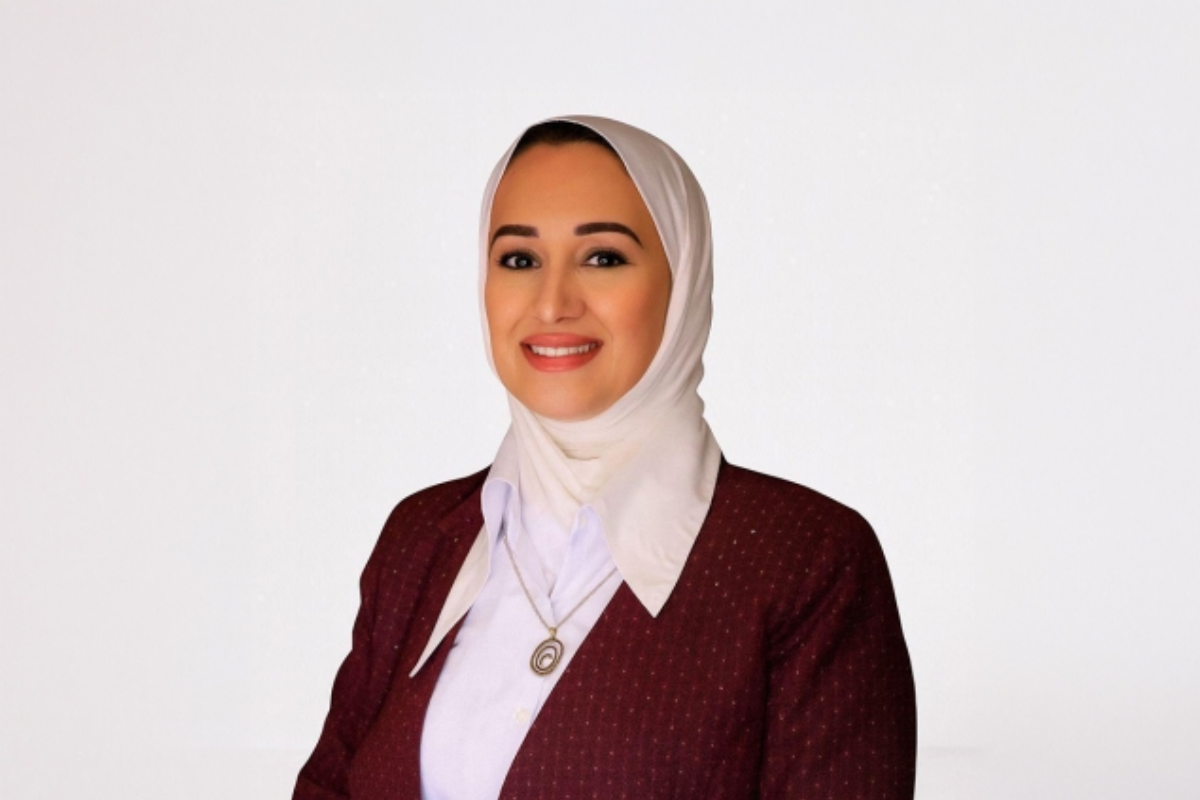
In this context, Acting Director General of the Public Authority for Orphan Affairs, Aliya Al-Saqer, told the Kuwait News Agency (KUNA) on Friday that celebrating World Children’s Day reaffirms the importance of institutional care as one of the fundamental pillars for protecting childhood and safeguarding children’s rights.
Al-Saqer added that this occasion is not limited to highlighting children’s needs, but also extends to shedding light on national efforts aimed at securing their future, enhancing their opportunities in education, growth, stability, and asset preservation within an environment that ensures their care and protection.
She noted that the stability and security enjoyed by Kuwait constitute a fundamental pillar for continuing institutional work that reinforces principles of protection and care and strengthens public trust in national institutions.
She stated that the Public Authority for Orphan Affairs recently distributed the annual profits for 2025 to the accounts of those under its care at a rate of 11.8 percent, as part of its ongoing institutional work and in line with its annual tradition, keeping pace with its strategic directions and objectives for developing the services provided.
She confirmed that the Authority continues to offer activities that benefit those under its care, including the “Bader Wa Yana” program, which provides an integrated educational and recreational environment during the summer vacation, as well as programs to warn against drug abuse and other awareness initiatives.
She added that, in implementation of and in response to the high princely directives, the Public Authority for Orphan Affairs seeks to diversify its activities to support the government program for family protection, through organizing annual Umrah trips for orphans during the mid-year school break, in addition to courses and training workshops aimed at enhancing their ability to manage their financial and academic affairs, as well as continuous recreational activities and events throughout the year.
She emphasized the continued effort to pave the way for children to build their future with confidence and peace of mind, stating that “the care of children and the protection of their rights is a humanitarian and national mission that enhances psychological and social stability and enables them to continue their education and develop their capabilities, becoming active and influential members of society.”
It is worth noting that the Gulf Cooperation Council (GCC) countries have acknowledged the pioneering role of Kuwait’s Public Authority for Welfare of Minors, recognizing it as one of the leading institutional models in the care of minors’ assets. The GCC states drew inspiration from the Authority’s law, considering it a benchmark for the region, and it served as the foundation for drafting the unified law on the care of minors’ assets across the GCC member states.
