International Energy: Hormuz crisis will have a long-term impact
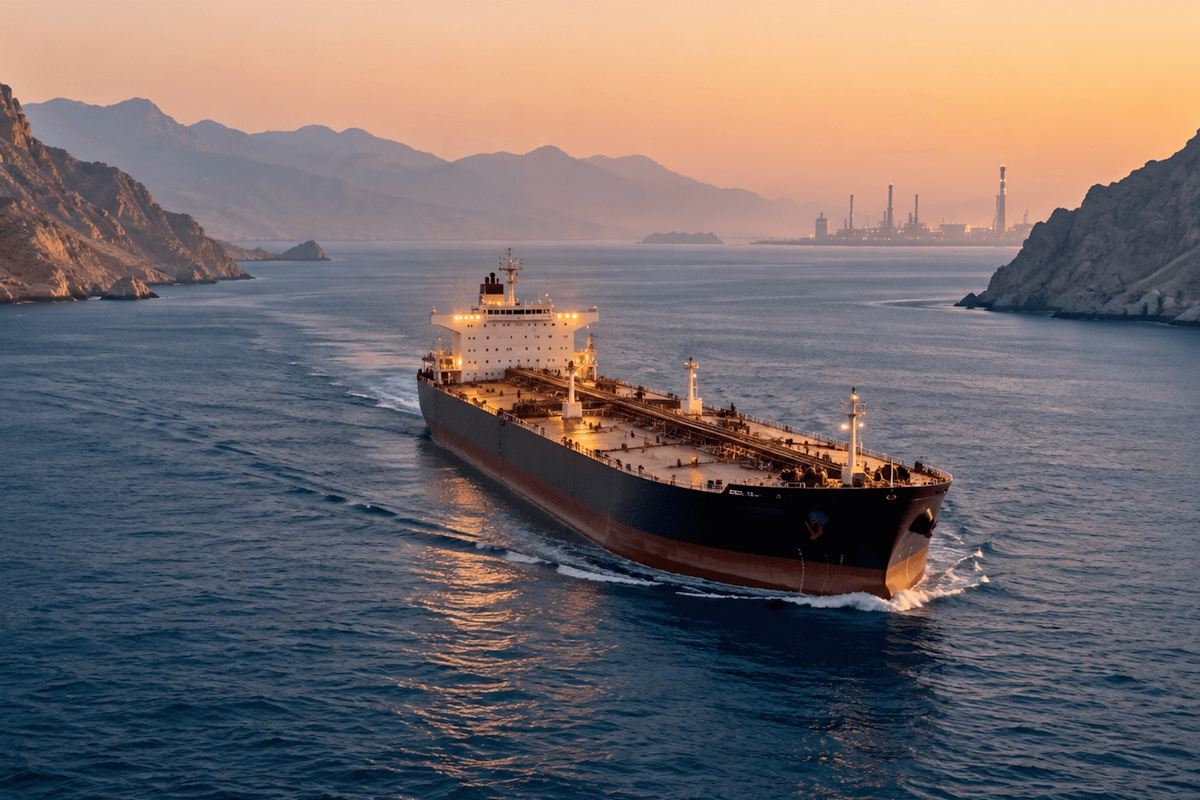
The Strait of Hormuz crisis has disrupted oil and gas trade and may reduce global demand by 4% by 2035
Translated by Alqyas from Al-Jarida — Original source
The International Energy Agency (IEA) said today that the conflict in the Middle East has caused the greatest disruption ever to global oil and gas trade, and could lead to a global oil demand reduction of more than four percent by 2035 if governments rush to take action to expand electricity use, improve energy efficiency, and switch to alternative fuels in response to the crisis.
Energy markets have experienced turbulence this year due to the conflict, which has restricted shipping traffic through the Strait of Hormuz, a waterway that typically carries about 20 percent of global oil and liquefied natural gas (LNG) supplies and serves as a vital artery for Gulf exports.
The agency said the supply crisis resulting from the closure of the Strait of Hormuz will have a long-term impact on energy markets.
IEA Executive Director Fatih Birol said, “I do not see any reliable path for the global energy system to return to its previous state.”
Birol added in an interview conducted alongside the release of the agency’s World Energy Outlook 2026 report: “In my view, the global energy world will not return to what it was before the Iran war.”
The Paris-based agency stated that the conflict has caused a cumulative loss of 2.8 billion barrels of oil and 60 billion cubic meters of gas supplies from the Gulf.
The annual report includes a range of scenarios based on existing and proposed energy policies. This year, it examines how governments and markets respond to prolonged disruptions in the “Hormuz” scenario.
Under a new scenario launched by the agency called the “Additional Response Case,” the IEA said that energy security concerns could accelerate the shift toward electricity, improve energy consumption efficiency, and reduce reliance on fossil fuel imports.
According to this scenario, global oil demand in 2035 would be approximately 4.4 million barrels per day lower than in the “Stated Policies Scenario” (STEPS), which reflects current government trends. Electric vehicles alone are expected to displace more than 11 million barrels per day of oil demand.
Global oil demand would fall to 97 million barrels per day in 2035 and to 85 million barrels per day by 2050 under the “Additional Response Case,” compared to just over 101 million barrels per day in 2035 under the “Stated Policies Scenario.”
Global natural gas demand would be more than 300 billion cubic meters lower than in the “Stated Policies Scenario.”
Oil prices stabilized today after losses in the previous session, as expectations of a market surplus eased ongoing concerns about Middle East supplies amid attacks on navigation in the “Hormuz” zone.
The Kuwaiti Crude Oil price fell 44 cents to $81.29 per barrel in yesterday’s trading, compared to $81.73 per barrel on Tuesday, according to the official price announced by the Kuwait Petroleum Corporation.
Brent crude had dropped 1.3 percent in the previous session, while West Texas Intermediate (WTI) crude fell 3.2 percent to its lowest level since August 26, amid expectations of a supply surplus, especially after crude oil shipments through “Hormuz” returned to levels close to those before the war.
The market was also affected by the larger-than-expected increase in US oil inventories announced yesterday.
The US Energy Information Administration (EIA) said crude oil stocks rose by 3.4 million barrels to 417.8 million barrels in the week ending November 13, compared to analysts’ expectations in a Reuters survey of a 58,000-barrel increase.
Priyanka Sachdeva, head of market analytics at Philip Nova, confirmed that “oil is caught between fundamental factors pushing prices down and geopolitical risks driving them up. While rising inventories may affect prices for a single day, persistent supply disruptions could keep the risk premium in place for much longer.”
Prices are under pressure due to expectations of U.S. interest rate hikes, which could slow economic growth and reduce the pace of oil demand growth. This would also strengthen the dollar, increasing costs for buyers outside the United States who pay for U.S.-priced crude oil in various currencies.
Minutes from the Federal Reserve’s October meeting, released yesterday, reinforced investors’ expectations that the central bank may raise interest rates at its next meeting in December to curb inflation.
Analysts at brokerage PVM, in a note dated the 18th, said: “Lower oil prices provide some relief to those concerned about persistent inflationary pressures, although the question is no longer simply whether the Federal Reserve will raise rates in December, but by how much. This, in turn, supports the dollar and hinders any attempt by the oil market to rally.”
Nevertheless, risks to oil supplies from the Middle East persist amid the U.S.-Israeli war on Iran.
Reuters reported yesterday, citing oil sector sources, that Ukrainian drone attacks have reduced the total volume of crude oil processed by Russian refineries by 45 percent since late October.
