'International Energy Agency': $40 Billion Cost to Build Oil Pipelines in the Gulf to Bypass the Strait of Hormuz
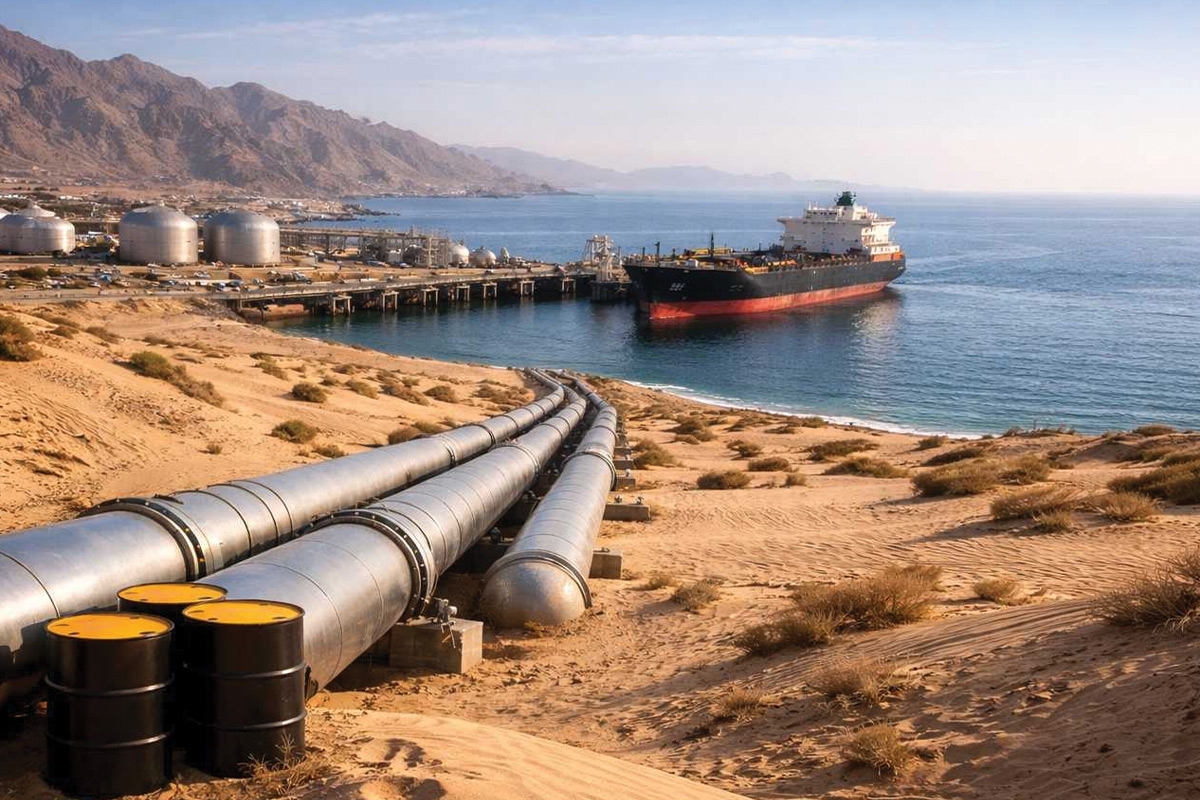
The International Energy Agency estimates the cost of alternative oil pipelines in the Gulf at $40 billion to bypass the Strait of Hormuz
Translated by Alqyas from Al-Jarida — Original source
The International Energy Agency (IEA) has estimated the cost of building new oil pipelines in the Gulf region at approximately $40 billion, aiming to provide alternative routes for exporting oil to global markets away from the Strait of Hormuz, amid disruptions to navigation and energy supplies in the region.
In its “World Energy Outlook 2026” report, the agency stated that pipeline projects under construction or study have a combined capacity of around 7 million barrels per day, noting that their implementation would add roughly $2 to the cost of each barrel of oil exported from the Middle East.
The IEA said that the repercussions of a war with Iran could push the world to permanently reduce its reliance on the Strait of Hormuz, as the construction of alternative pipelines and export routes accelerates—a shift that could reshape energy trade over the next decade. Before the war, the strait transported around 20 million barrels of oil per day, but the IEA expects flows to drop to 8.5 million barrels per day by 2030, and then to less than 2 million barrels per day by 2035, if severe disruptions persist.
The report highlighted that disruptions in the Strait of Hormuz have once again underscored the risks associated with relying on major sea lanes for oil and gas transport, and the importance of diversifying export routes to enhance global energy supply security. It noted that developing alternative infrastructure could help reduce the region’s exports’ vulnerability to geopolitical disturbances, but would require substantial investments and additional costs for transporting oil to markets.
