Saudi-US Integration Strengthens Lebanon's Stance to Contain Weapons and Reject the Idea of 'Iranian Victory'
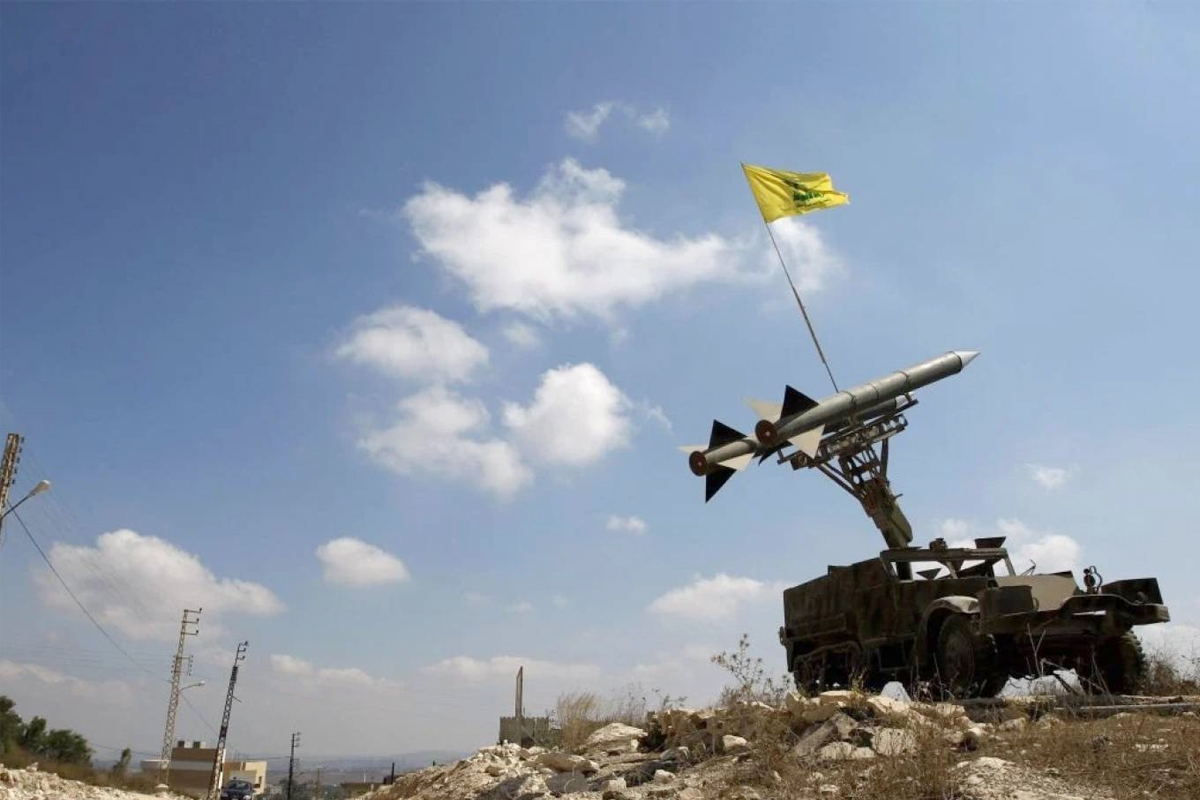
Intensive diplomatic visits to strengthen weapon containment and prevent arms smuggling
Translated by Alqyas from Al-Jarida — Original source
As soon as US Ambassador to the United Nations Mike Waltz departed Beirut, Lebanese officials became engrossed in searching for a formula to integrate UN Security Council Resolution 1701 into the Framework Agreement. The Lebanese have come to realize that the mandate of any international force that may be formed will not be limited to deployment in southern Lebanon; rather, it will cover all Lebanese territory and possess broad powers.
In this context, a French initiative emerged, directed at Speaker of the Parliament Nabih Berri, to discuss how to preserve Resolution 1701. Meanwhile, diplomatic sources indicate US-French coordination on how to incorporate the Framework Agreement into any future Security Council resolution, in exchange for Paris retaining a role on the Lebanese scene and maintaining French troops in the south—a deployment that had previously faced absolute opposition from the Americans and Israelis.
Waltz’s visit is inseparable from Saudi envoy Prince Yassir bin Farhan’s visit to Lebanon, highlighting Saudi-US alignment in their positions on the Lebanese file.
Some observers believe that Prince Yassir aligned with the proposed agenda and stressed with officials the necessity of implementing Lebanese state decisions regarding the monopoly of arms, regulating relations among presidents, and among other political forces, while maintaining a firm stance without yielding or retracting from adopted decisions or necessary judicial measures in this regard.
Among the points emphasized was Lebanon’s refusal to succumb to the notion of an “Iranian victory” or to allow Iran to benefit from the election results. Furthermore, the struggle against Tehran remains open and ongoing, even if not through military means, but through other avenues, particularly given the open conflict in Yemen.
According to information held by Lebanese officials, Prince Yassir played a role with the United States to postpone the imposition of a package of sanctions previously scheduled against Lebanese political, security, and judicial figures. However, this postponement is contingent upon Lebanon’s adherence to the path it had previously committed to regarding the Framework Agreement, the monopoly of arms, and not yielding to the public demands of Hezbollah, which have called on the Lebanese state to retract decisions on arms control and to ban the party’s security and military activities.
In this context, Lebanon will receive Iraqi Prime Minister Ali al-Allawi tomorrow to discuss a range of files and projects, including oil and trade, as well as strengthening political and security relations and increasing coordination to prevent any smuggling operations from Iraq to Hezbollah in Lebanon via Syria or any other crossing. This comes after the Americans had previously sent signals indicating that Hezbollah succeeds in smuggling money and weapons from Iraq to Lebanon.
