British Communications Network Drops to 53rd Globally and Last in G7 Group
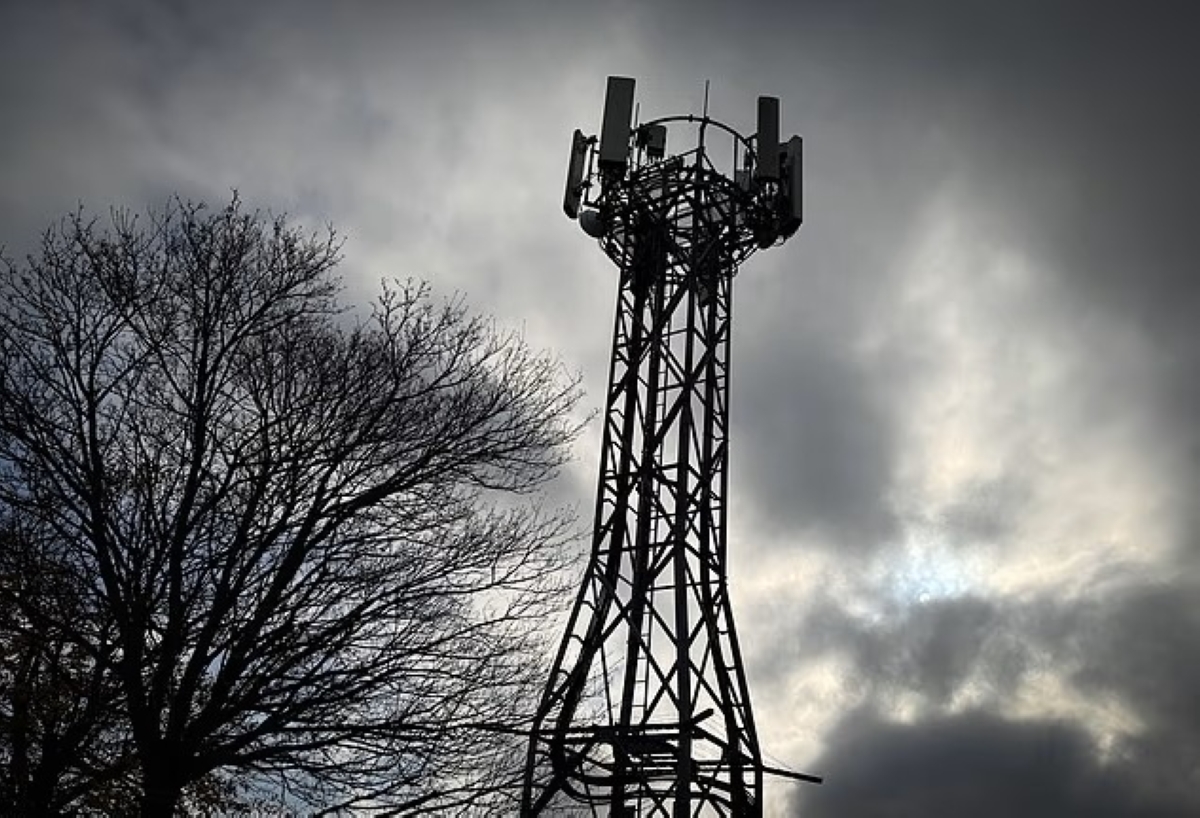
Report warns of collapse of British communications network due to local councils rejecting towers and economic losses.
Translated by Alqyas from Al-Jarida — Original source
A new report indicates that Britain’s mobile phone network is suffering a sharp decline, falling to 53rd place globally, and warning that it could collapse entirely unless new communication towers are urgently built.
Two out of every five users struggle to watch videos on their mobile phones, while one in five users is unable to make simple phone calls in some parts of the country.
According to the “Buffering Britain” campaign group, mobile network usage in Britain has risen by approximately 500% since 2018, exceeding the capacity of current infrastructure.
The report adds that some local councils continue to refuse permission for new communication towers within their jurisdictions, causing Britain to lag behind countries such as Kazakhstan, Brazil, and Kenya.
The report reveals that local councils in Glasgow and Cardiff have rejected all applications for new communication towers over the past five years, while Richmond upon Thames Council rejected 96% of applications, and Islington Council rejected 74% during the same period. The report’s authors conclude that this crisis has cost the British economy £789 million.
The report, titled “Choosing Better Connectivity” and published by the “Buffering Britain” group and the Centre for British Progress, calls for the establishment of a national right to build and develop communication towers, allowing construction to commence 28 days after notifying the local council, alongside the adoption of a national guideline for acceptable tower designs.
Ben Cooper, director of the “Buffering Britain” group, said: “Fixing Britain’s poor connectivity must be a government priority, as Britain’s mobile network is the worst among G7 nations.” He added: “Under current planning rules, local councils have the power to refuse tower construction based on their appearance or location, which many already do.” “The country’s communications network is shameful and hinders our progress. Telecom companies are ready to build broadcast towers, but local councils obstruct this due to residents’ objections to their proximity to their neighborhoods.”
He continued: “No one wants to see ugly communication towers in their residential area, so it is not surprising that local councils continue to reject their construction.” “But a century ago, Britain designed telephone boxes that were extremely beautiful, to the point of becoming a national symbol. If we can design towers that people accept having on their streets, we will be able to build the network the country needs without local councils standing in our way.”
Jack Roulet, head of policy and operations at the “Buffering Britain” initiative and a contributor to the report, said: “This is a simple solution the government can implement. Most of what the network needs is an upgrade to existing towers, and companies should not have to obtain special permission for each upgrade.”
The “Buffering Britain” initiative’s app, which allows individuals to measure their mobile signal strength, has recorded more than 50,000 tests so far.
Independent data collected by the Dorset-based tech company Streetwave also showed that only 63.5% of the county’s area enjoys “good” coverage from at least one fourth-generation (4G) network operator.
According to a survey conducted in Dorset, only 82.2% of the county’s road network has “basic” coverage from at least one operator. This means that making phone calls is difficult, or perhaps impossible, in approximately one-fifth of the area.
