US Oil Reserves Hit Lowest Level Since 1982
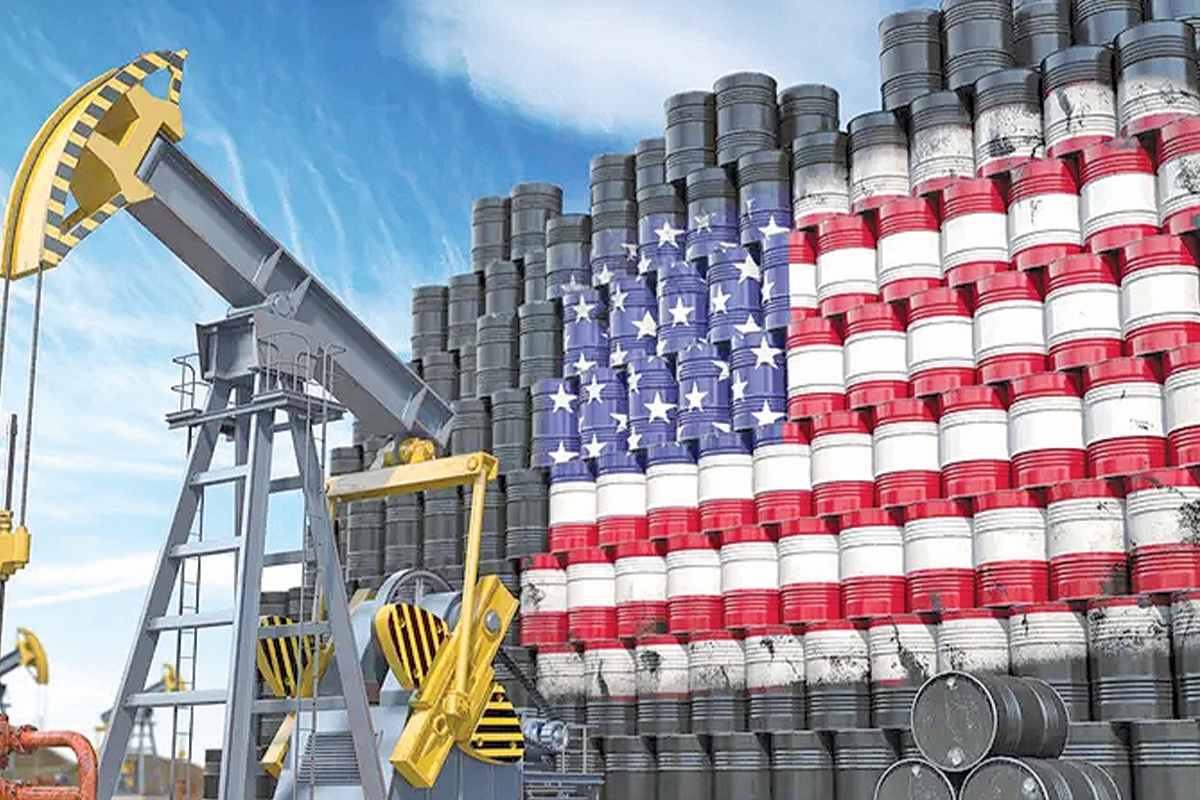
US oil reserves dropped to a record low, while prices stabilized and markets were affected by the geopolitical situation.
Translated by Alqyas from Al-Jarida — Original source
US strategic oil reserves fell to 276.4 million barrels by the end of last week on the 13th, according to US Department of Energy data.
The last time a lower level was recorded was in 1982, specifically on October 8, when reserves stood at 278.725 million barrels, according to the Russian news agency TASS.
US strategic oil reserves began reaching levels not seen since 1982 in late August of this year.
By early October, the figure had dropped to 283 million barrels, and the pace of decline accelerated since the beginning of November.
Oil prices stabilized today, as expectations of a supply surplus resulting from the recovery of Middle East exports offset concerns about ongoing attacks on tankers in the region, alongside expectations of a decline in US crude stockpiles.
Meanwhile, the price of a barrel of Kuwaiti crude rose by 44 cents to reach $85.73 per barrel in yesterday’s trading, compared to $85.29 in last Friday’s trading, according to the price announced by the Kuwait Petroleum Corporation.
Stock markets, which often move in tandem with oil prices, also declined today, influenced by pressure from technology company shares in the United States and Asia.
The International Energy Agency said on Friday that the global oil market would return to recording a surplus in the last quarter of this year as Middle East exports recover at a faster pace than global oil demand growth, despite attacks on maritime shipping.
This is reflected in a sharp drop in oil shipping costs, indicating a decline in the risk premium for transporting oil products by sea, coinciding with an increase in Gulf exporters’ flows back to levels seen before the start of the US-Israeli war on Iran.
At the same time, Iranian attacks on US bases in Bahrain and disruptions to shipping in the Strait of Hormuz have kept uncertainty alive regarding one of the world’s most important oil export routes.
The Organization of the Petroleum Exporting Countries (OPEC) held an online meeting on Monday to discuss a review of the maximum sustainable production capacity of its members, a move that will help determine OPEC+ production quotas for 2027 and beyond. The OPEC+ alliance, which includes OPEC member states along with other allies led by Russia, is scheduled to meet on the 29th to make a decision on production policy for 2027.
In contrast, US Department of Energy data showed that US strategic petroleum reserve crude oil stockpiles fell to 276.4 million barrels last week, the lowest level since August 1982. Recent withdrawals from the reserve are part of a US agreement to release 172 million barrels from this strategic stockpile.
Weekly data on US crude oil and general petroleum product stockpiles are scheduled to be released by the American Petroleum Institute, followed by data from the Energy Information Administration, today.
Hedge fund bets on rising diesel prices have fallen to their lowest levels since January, signaling a potential easing of the supply shortage crisis, with net long positions decreasing by 4,350 contracts to 2,770 contracts.
This comes amid signs of improving US supplies and rising fuel stockpiles, coinciding with a seasonal decline in heating demand, despite ongoing shipping disruptions through the Strait of Hormuz and Ukrainian attacks on Russian refineries.
Despite these indicators, diesel prices remain high, with futures settling at $4.08 per gallon, marking the highest seasonal level ever recorded, while the upward bets on West Texas Intermediate crude continued to decline.
For his part, Iraqi Oil Minister Basim al-Abidi said that Baghdad has resumed pumping crude oil for export through the Kirkuk-Ceyhan pipeline to Turkey at an initial capacity of 120,000 barrels per day, with plans to gradually increase flows to 500,000 barrels.
The resumption of operations at the pipeline, which had been closed for more than 10 years, will provide an additional route for oil from northern Iraq alongside a pipeline coming from the Kurdistan Region of Iraq, thereby reducing reliance on southern export terminals and shipping through the Strait of Hormuz.
Iraq, the second-largest producer in the Organization of the Petroleum Exporting Countries (OPEC), has been seeking alternative routes for its oil exports since its usual export outlet, the Strait of Hormuz, was disrupted due to the Iran war.
