November 17... Due to Hitler, International Students' Day appeared
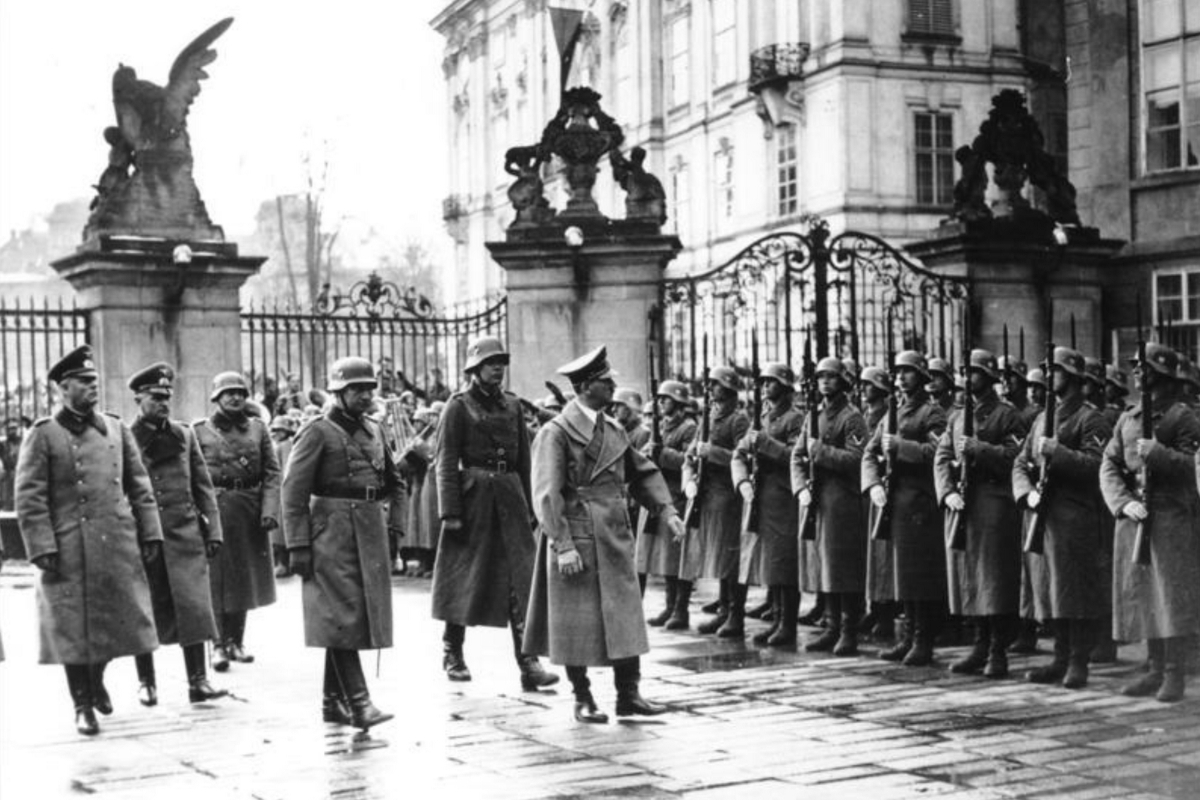
International Students' Day is linked to the suppression of Czech students by the German occupation in 1939 under orders from Hitler
Translated by Alqyas from Al-Jarida — Original source
Annually, many countries observe World Students’ Day, an occasion to celebrate the student community and student life within university campuses. On this occasion, universities and student associations typically highlight achievements in the field of student rights and the reforms students demand, while also enumerating students’ accomplishments in scientific and cultural domains.
The emergence of World Students’ Day is linked to the German occupation of Czechoslovakia. More than two months after the outbreak of World War II following Germany’s invasion of Poland, Czech universities rebelled against the German presence and the policy of violence adopted by the occupiers. In response, the Germans brutally suppressed these student protests, causing numerous casualties.
The Sudetenland was part of the Republic of Czechoslovakia and was home to a minority of German descent. In the years preceding World War II, this region became a source of conflict between Germany and Czechoslovakia, with Germans accusing Prague of violating the rights of ethnic Germans and demanding the annexation of the Sudetenland. Tensions in the region escalated throughout 1938 over this territory.
Fearing a war in Europe, France and Britain agreed to Adolf Hitler’s demands to annex the Sudetenland following the Munich Agreement signed on September 30, 1938, which was negotiated without the presence of a Czechoslovak delegation.
In 1939, Germany encouraged Slovak separatists to declare independence from Czechoslovakia. One day after Slovakia declared its independence, Germany invaded Czechoslovakia in mid-March 1939 and seized the capital, Prague, bringing Czechoslovakia under German occupation.
Upon taking control of Czech lands, the Germans began arresting and transferring political opponents to forced labor camps, and did not hesitate to execute many of them. They also exploited the Czech economy and industry, turning them into a pillar supporting German war production. Culturally, Germany attempted to erase local culture and identity, replacing them with German culture.
On October 28, 1939, Czechs demonstrated in Prague to mark the 22nd anniversary of Czechoslovak independence. During the demonstrations, the Germans did not hesitate to shoot at the Czechs to disperse them and force them to return home. The clashes resulted in severe injuries to medical student Jan Opletal, who died on November 11 of that same year.
In the following days, Jan Opletal’s funeral turned into massive protest demonstrations that swept through the Czech capital, Prague. Students made up the majority of the demonstrators, who carried slogans demanding the departure of the Germans.
By direct orders from Adolf Hitler, German forces arrested approximately 1,200 Czech students on November 17, 1939, and sent them to the Sachsenhausen concentration camp. On the same day, German authorities executed nine students without trial, accusing them of organizing and leading the student protests.
On the other hand, Adolf Hitler issued an order to close all Czech universities for three years to prevent such events from recurring, as the Nazi leader feared a revolt in Prague while he was preoccupied with military operations in World War II. The Czech universities remained closed for an even longer period, reopening only at the end of World War II.
Due to the events that took place in Prague on November 17, 1939, World Students’ Day emerged to honor the sacrifices of Czech students against German occupation and to highlight student life, concerns, and achievements.
