The Path: The Private Sector... From Generosity to Philanthropy
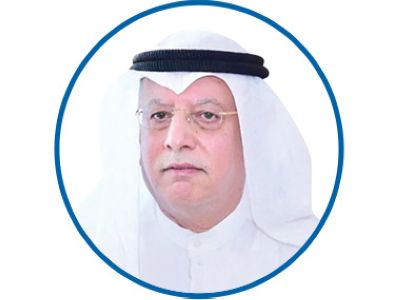
The article calls on Kuwait's private sector to develop the concept of social responsibility from seasonal donations to long-term investment in education through an independent educational endowment.
Translated by Alqyas from Al-Jarida — Original source
Wealth is not measured solely by the accumulation of money and assets, but by the impact it leaves on society and its capacity to build a future. From this perspective, the responsibility of the private sector emerges not only as a partner in economic activity, but also as one of the beneficiaries of the economic environment provided by the state and of public spending, which has historically contributed to the growth of many of its sectors. A significant portion of the private sector’s wealth was built over generations, benefiting from government spending, contracts, and public projects. Yet, its contribution to social responsibility remains limited, often taking the form of seasonal donations or sporadic initiatives that fall short of sustainable investment in society.
This is not to diminish the importance of charitable work, which represents a deeply rooted value in Kuwaiti society, but rather to develop its concept from mere giving to generosity—shifting from temporary giving to long-term social investment. Societies need not only assistance, but also institutions that create opportunities, build capacities, and provide individuals with the tools to improve their lives and participate in wealth creation.
In this context, the establishment of an endowed educational excellence fund, recognized and financed by the private sector, has been proposed. The returns from this endowment would be dedicated to creating model schools that offer high-quality education in science, technology, languages, and innovation, attract outstanding educational talent, and provide opportunities for high-achieving students, particularly those from low-income families.
This initiative should not devolve into mere schools bearing the names of donors, but rather become institutions with independent governance, transparent quality standards, professional academic management, and clear measurement of their impact on students and society. The true value of an endowment lies not in its size, but in the results it achieves. In this regard, social responsibility cannot be separated from the economic responsibility of the private sector. Contributions to education cannot compensate for practices that weaken competition or pressure the middle class and low-income groups. Similarly, donations cannot replace commitments to fair wages, respect for consumers, and productivity improvement.
True responsibility begins with the nature of economic activity itself and extends to the social impact it generates. Global experiences have provided models of giving and generosity that transcend personal wealth to invest in human futures, including the example of Warren Buffett, who pledged most of his wealth to education and healthcare. The goal is not to replicate these experiences, but to draw inspiration from their philosophy. Wealth acquires its deepest meaning when it becomes an opportunity for others.
Kuwait needs not more wealth, but rather an expansion of the impact of its existing wealth. The private sector, which has benefited from the state’s economy, can become a partner in building the country’s future—not merely by increasing donations, but by establishing institutions that sustain giving. Wealth that remains in bank accounts may grow, but it is the wealth transformed into education, knowledge, and opportunities that shapes the future.
