Oil Records Second Weekly Decline Amid Supply Increase
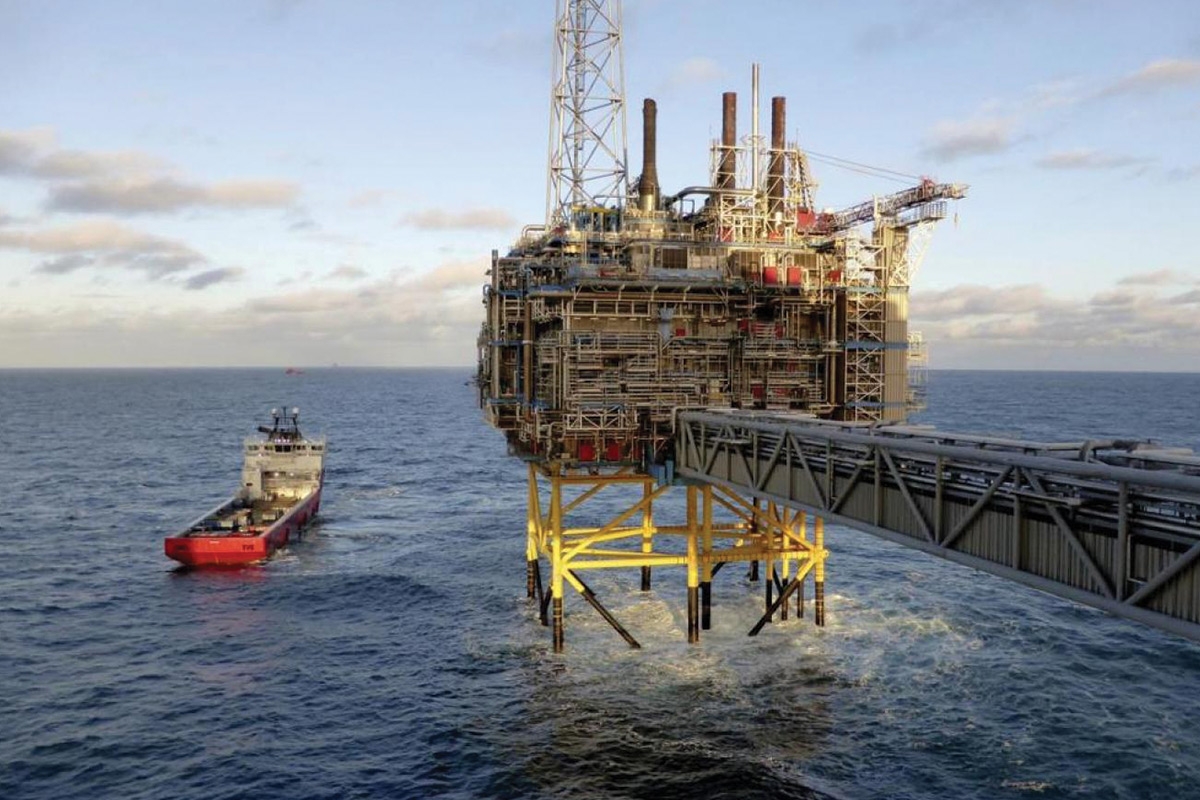
Kuwaiti oil prices rose locally while falling globally due to oversupply, amid divisions at the climate summit in Turkey over fossil fuels.
Translated by Alqyas from Al-Jarida — Original source
The price of a barrel of Kuwaiti crude oil rose by $1.85 to reach $85.29 per barrel in Friday’s trading, compared to $83.44 in Thursday’s trading, according to the price announced by the Kuwait Petroleum Corporation.
In global markets, oil prices fell at settlement yesterday, recording losses for the second consecutive week, as markets assessed signs of a growing global supply glut and Washington’s focus on continuing the blockade on Iran and intensifying other economic pressures amid the ongoing nine-month war.
Phil Flynn, Senior Analyst at Price Futures Group, said, “It is clear that the market’s biggest concern a few months ago was a supply shortage. Now, it seems the biggest concern is a supply surplus.”
Oil experienced a week of volatile trading, as Houthi attacks, backed by Iran, on Saudi infrastructure and attacks on tankers transporting crude outside the Gulf dashed earlier hopes for a rapprochement in the US-Israeli war on Iran, which has now entered its ninth month.
US President Donald Trump stated on his Truth Social platform that reaching an agreement with Iran is not necessary to end the war.
Andrew Lipo, head of Lipo Oil Associates, said, “The oil market is divided between increasing supplies from the Middle East and no change in the negotiating positions of the US and Iran, which refuses to allow nuclear inspectors into its territory.”
Sujanda Sachdeva, founder of SS Wealth Street, a research firm based in New Delhi, said that the decline in oil prices is largely due to signs of weakening demand in the United States, as rising crude oil and fuel inventories point to expectations of relatively weak consumption.
The US Energy Information Administration stated on Thursday that US crude oil and fuel inventories rose last week, driven by weak demand for refined oil products and a jump in oil imports.
Despite the price decline, risks remain to oil shipments through the Strait of Hormuz, a vital waterway for crude oil exports from major Middle Eastern producers.
UN Secretary-General António Guterres called on Friday for an “immediate and drastic” reduction in greenhouse gas emissions, as divisions over fossil fuels dominate the first week of the UN Climate Change Conference (COP31) talks in Turkey.
Observers noted on Friday, as the first week of COP31 negotiations drew to a close, that major fossil fuel producers and consumers participating in the talks are resisting any agreement that would set new binding targets or transition away from oil, gas, and coal.
This poses a challenge for host country Turkey and lead negotiator Australia, with only one week left to reach the ambitious agreement that climate advocates like Guterres say is essential.
He said, “The pivotal issue lies in the hands of member states, especially the largest emitting countries. These countries must acknowledge the need for an immediate and drastic reduction in emissions to keep the 1.5-degree Celsius target achievable by the end of the century,” referring to the 1.5-degree Celsius warming limit agreed upon by countries under the 2015 Paris Agreement.
A United Nations report released last month concluded that the world is on track to exceed the 1.5-degree Celsius warming threshold, a limit that scientists say would help prevent the worst impacts of climate change.
As temperatures have risen, this year has seen severe heatwaves across western Europe and a glacial collapse in Nepal that triggered floods claiming more than 1,450 lives, with thousands still missing.
Major oil-producing countries, such as Saudi Arabia and Russia, have long opposed formulations that impose restrictions on fossil fuels, while major emerging economies like India have resisted measures they argue could limit their development and energy choices. These motivations have negatively affected the outcomes of previous agreements.
Meanwhile, the United States, the world’s largest oil consumer, was absent from the talks for the second consecutive year under President Donald Trump, who described global warming as a hoax and called for continued use of fossil fuels.
António Guterres, who will step down at the end of December after two five-year terms, said, “We must confront the disproportionate influence of fossil fuel defenders. We cannot negotiate the future of our planet on terms set by those who profit from its destruction.”
He added, “But I remain optimistic. I have also witnessed something extraordinary over these past ten years: renewable energy has moved from the margins to the forefront. The economic landscape has changed. Technology has advanced. We now have the means for a cleaner, safer, and more stable energy future. The question is whether we have the courage and speed to achieve it.”
Turkey, host of COP31, is seeking to place a proposal to expand the global scope of the transition to electricity at the core of any final agreement, stating that the plan would reduce emissions by accelerating the phase-out of cars, boilers, and other equipment that run on fossil fuels.
The proposal does not require that increased electricity use come from renewable sources, although some countries, including Brazil, which hosted last year’s conference, are calling for progress on a plan that would obligate countries to outline clearer pathways away from fossil fuels. Representatives from India, Saudi Arabia, and Russia have not yet commented.
The Australian team, leading negotiations under a shared presidency arrangement, spent the first few days of the summit gathering views on what should be included in a political text that could be agreed upon by consensus, followed by all the technical points under negotiation.
Australia received further submissions from countries until late Saturday evening, aiming to draft a text in the early part of this week.
