US Treasury Secretary: No need to raise interest rates due to energy crisis caused by Iran war
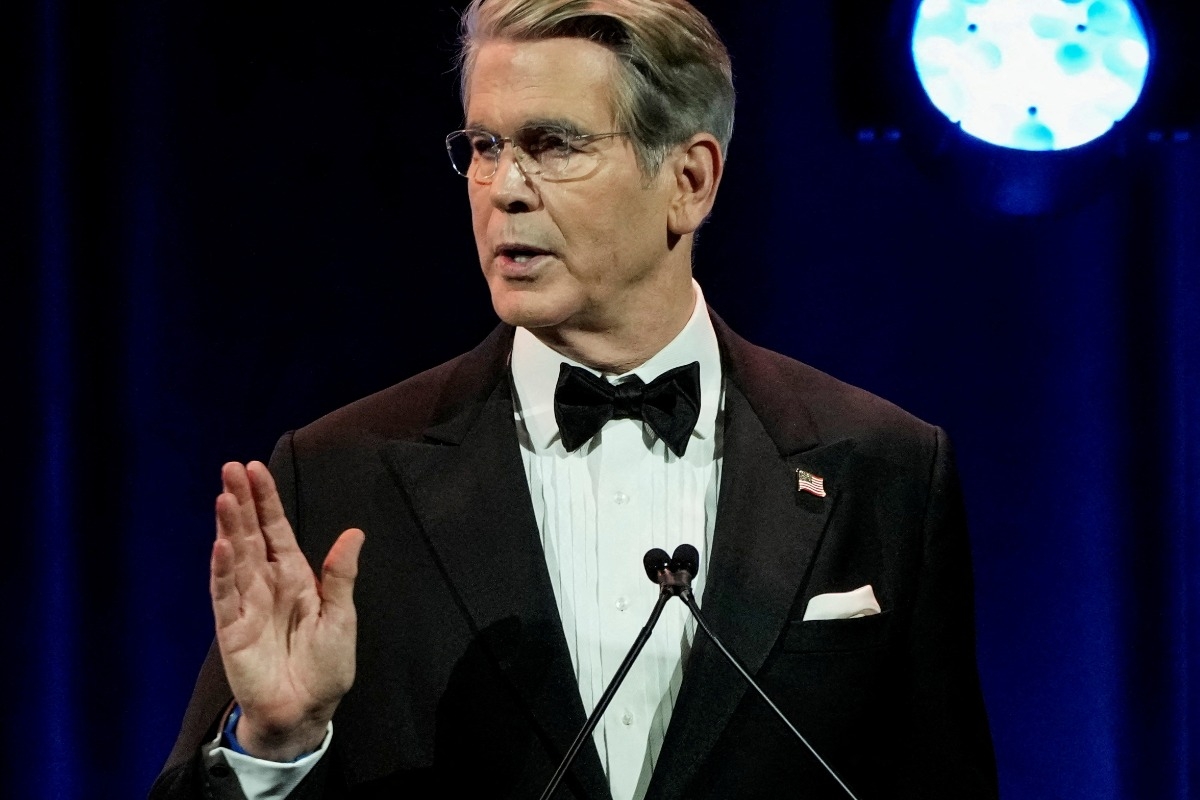
Scott Bessent warns against raising interest rates due to the energy crisis and reveals disagreements with the Commerce Department regarding Iran sanctions.
Translated by Qiyas from الجريدة — Original source
US Treasury Secretary Scott Bessent said on Friday that the Federal Reserve (the US central bank) must exercise flexibility and not raise interest rates due to the “energy supply crisis” linked to the war with Iran.
In an interview with CNBC, he said, “I believe it is essential for the Federal Reserve to understand that this is an energy supply crisis,” but the underlying US economy is very strong.
He added, “Therefore, I think that raising interest rates excessively in the context of an energy supply crisis, as this crisis recedes, is based on very misleading figures.”
Last week’s stronger-than-expected US jobs report bolstered the case for the Federal Reserve to continue raising interest rates, after those expectations had lost some momentum amid a wave of stock market selling following the US midterm congressional elections and growing concerns that weak demand related to artificial intelligence could undermine the economy.
The US central bank kept interest rates unchanged last month, and Fed Chair Kevin Warsh said policymakers would monitor data to help determine whether further monetary tightening is needed.
On another note, Scott Bessent said he would not yield to Iranian threats to kill him, following his recent move from his residence in Washington, DC, to a US military base.
Since August, Bessent has led the US campaign of sanctions and economic pressure on Iran, dubbed the “Economic Exclusion Operation,” in an attempt to push Tehran to halt attacks on shipping vessels and reopen the Strait of Hormuz.
The US Treasury Secretary blamed the Department of Commerce for failing to add the Singapore-based company Megaspex to the blacklist, at the center of a scandal involving NVIDIA CEO Jensen Huang.
Bessent told CNBC that the Treasury Department, the Department of Defense, the Office of the US Trade Representative, and the State Department had supported adding Megaspex to Washington’s commercial blacklist for months.
He expressed “frustration” over this, noting that US President Donald Trump “clearly stated that China should not receive any NVIDIA chips more advanced than the H100.”
He said, “The story so far has focused on Jensen Huang’s personal failings. The real story that should be the focus is: Did NVIDIA know its customer, and did it make serious efforts to ensure no chips leaked?”
He questioned whether NVIDIA was selling its chips to “shell companies that were clearly just fronts for passing them through.”
Bessent added, “I think it is important to hold accountable everyone responsible within the company.”
