Post-Netanyahu Israel: Buffer Zone in Lebanon and Security Arrangements with Syria
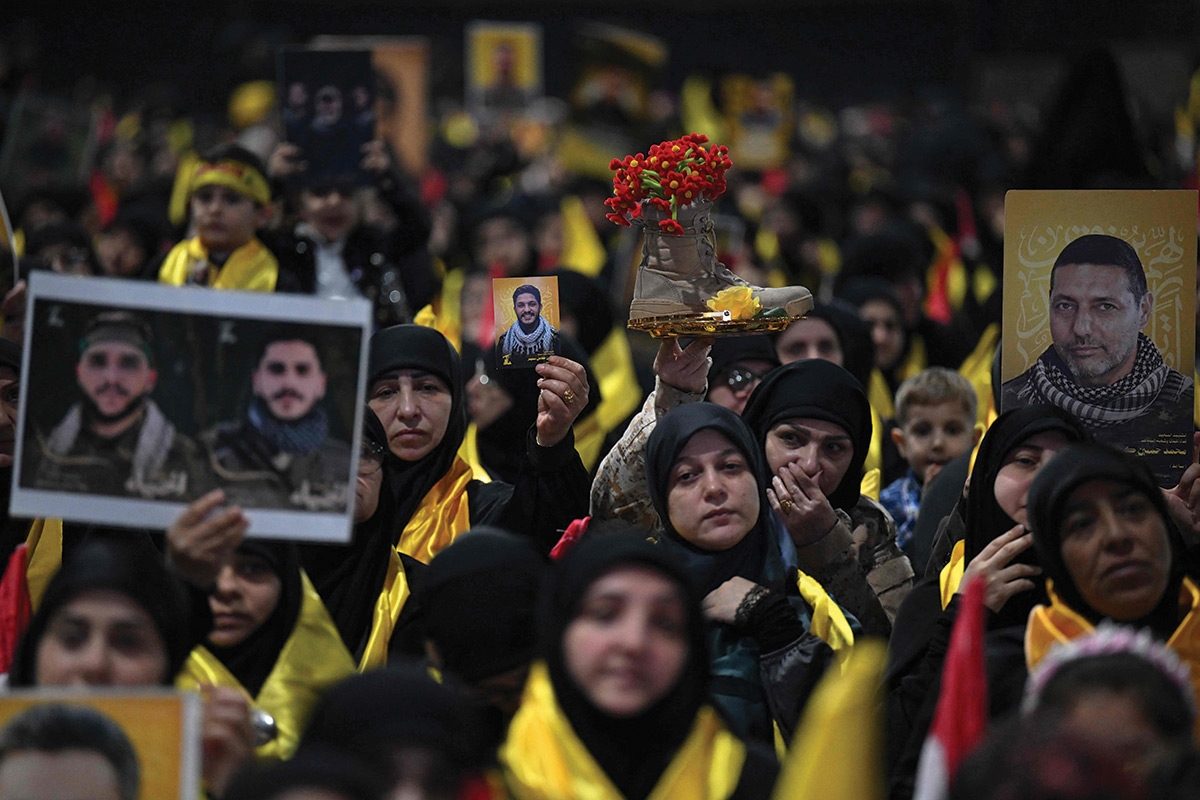
An analysis of Gadi Eizenkot's potential stances toward Lebanon, Syria, and the United States following the possibility of Netanyahu's defeat.
Translated by Alqyas from Al-Jarida — Original source
Amid regional anticipation, particularly in Lebanon and Syria, regarding the outcome of Israel’s new government formation, if Gadi Eisenkot succeeds in removing Benjamin Netanyahu from the political scene, Arab blocs are moving to create conditions for closing the chapter on the longest-serving occupation prime ministers. In an attempt to capitalize on the current situation and impose certain conditions on the new government—especially those related to halting settlement expansion, combating crime within Arab society, and reactivating Trump’s “peace” plan for Gaza—these blocs are positioning themselves strategically.
Conversely, Netanyahu is striving to present everyone with a fait accompli, either militarily or security-wise, to revive the idea of forming a national unity government, a move that appears stalled thus far. Moreover, Trump’s loss in the midterm elections has negatively impacted his momentum toward Netanyahu, whose unpopularity is growing within the United States and specifically within the American administration, particularly from Vice President JD Vance.
In Lebanon and Syria, some are betting on Eisenkot, viewing him as less “militaristic” than Netanyahu and more amenable to American influence, thereby enabling at least minimal agreements and understandings with him regarding a halt to attacks, incursions, and occupation. Secondly, they hope for a reduction in interference in the internal affairs of each state, particularly in Syria and the Suwayda file. Thirdly, through American pressure to broker agreements between these countries and Israel, just as Washington seeks to conclude agreements between Israel and several other Arab states, should Eisenkot demonstrate flexibility in addressing issues concerning the Palestinian people. Of course, Eisenkot has not yet taken any position indicating a potential shift significantly different from Netanyahu’s policy; he will certainly not be open to the Palestinian people’s right to build their own state, which is the fundamental precondition set by many countries as a prerequisite for any peace agreement with Israel.
The primary diplomatic alternative to peace agreements is reaching a conflict resolution deal between these countries and Israel.
In this context, diplomatic sources indicate that Eisenkot has strong ties with many officials in the American administration and has leveraged their anger toward Netanyahu to secure their support. Discussions have also deepened between him and the Americans regarding his vision for developments in the region and the trajectory of relations with Lebanon and Syria.
Regarding the Lebanese file, Eisenkot shows willingness to reduce the level of military operations and cease war activities and occupation expansion, but he insists on creating a buffer zone, open to discussion with the Americans and the Lebanese state. He does not object to coordinating with the Lebanese state on how to manage the situation in this area and how security and military deployments will be conducted there. However, he stipulates that residents must not return to it unless a comprehensive peace agreement is reached and a clear, agreed-upon vision is presented for transforming it into an economic zone, through which Israel aims to play a role in determining who is allowed to enter that area. He also does not object to beginning a redeployment process and withdrawing from some sites, but he conditions this on Lebanon taking steps to withdraw Hezbollah’s weapons and prevent the party from rebuilding its military capabilities. Furthermore, he insists on security and military coordination with the Lebanese state under American supervision and does not object to the presence of any other mutually agreed-upon international force.
Regarding the Syrian file, according to diplomatic sources, Eisenkott has expressed readiness to reach a security agreement with Damascus and to agree on security arrangements concerning the situation in southern Syria, including ensuring that the Israeli army ceases its incursions, establishing a demilitarized zone free of heavy weapons, and agreeing on which Syrian military and security forces will enter and deploy there without possessing heavy weapons. He has also indicated willingness to withdraw from some of the territories occupied by Israel and to return to the 1974 Disengagement Agreement, linking this to the new security arrangements that are expected to be agreed upon. However, he absolutely refuses any withdrawal from the Quneitra observation post.
