Launch of the First 'Irtiqaa' Courses at the Applied Science University to Develop Human Resources
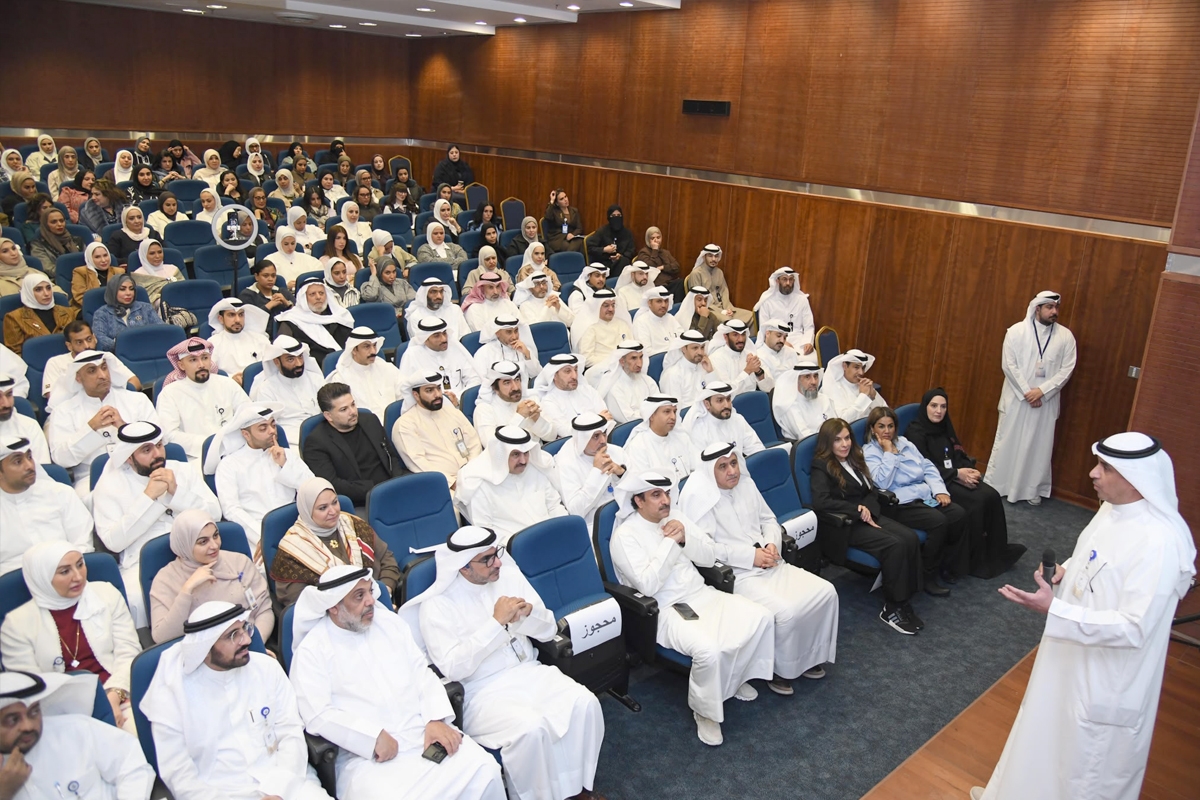
The Public Authority for Applied Education and Training launches a human resources development course
Translated by Alqyas from Al-Jarida — Original source
The first training sessions under the “Irtiqa” program at the Public Authority for Applied Education and Training (PAAET) launched under the title “Irtiqa and Ambition,” delivered by the Authority’s Director General, Dr. Hassan Al-Fajam, as part of the Authority’s efforts to develop human resources, enhance employees’ capabilities, and strengthen their professional competencies, thereby contributing to improving job performance and achieving institutional excellence.
In a press statement, the Authority noted that the training course covered several key topics focused on the concept of professionalism in the workplace and the importance of developing professional skills and competencies. Dr. Al-Fajam outlined the main attributes that distinguish a professional employee, emphasizing that career success does not rely solely on academic qualifications, intelligence, or skills, but requires diligence, discipline, continuous training, and the ability to effectively apply knowledge and experience in performing job duties with competence and mastery.
The Authority pointed out that Dr. Al-Fajam highlighted the essential qualities of a professional employee, including professional competence, job integrity, accountability, initiative in problem-solving, teamwork, flexibility, and commitment. He noted that professionalism is built on possessing the necessary ability to perform work, demonstrating integrity, and showing sincerity in executing job responsibilities, whether under supervision or in its absence.
Dr. Al-Fajam also addressed the importance of fostering a sense of responsibility among employees by focusing on achieving desired results and objectives, rather than merely carrying out routine procedures. He stressed the need to proactively identify appropriate solutions and alternatives to address challenges, thereby enhancing productivity and contributing to the improvement of the quality of services provided.
