Trump Paves Way for End of Iran War: Allies' Interests Will Remain Protected at All Times
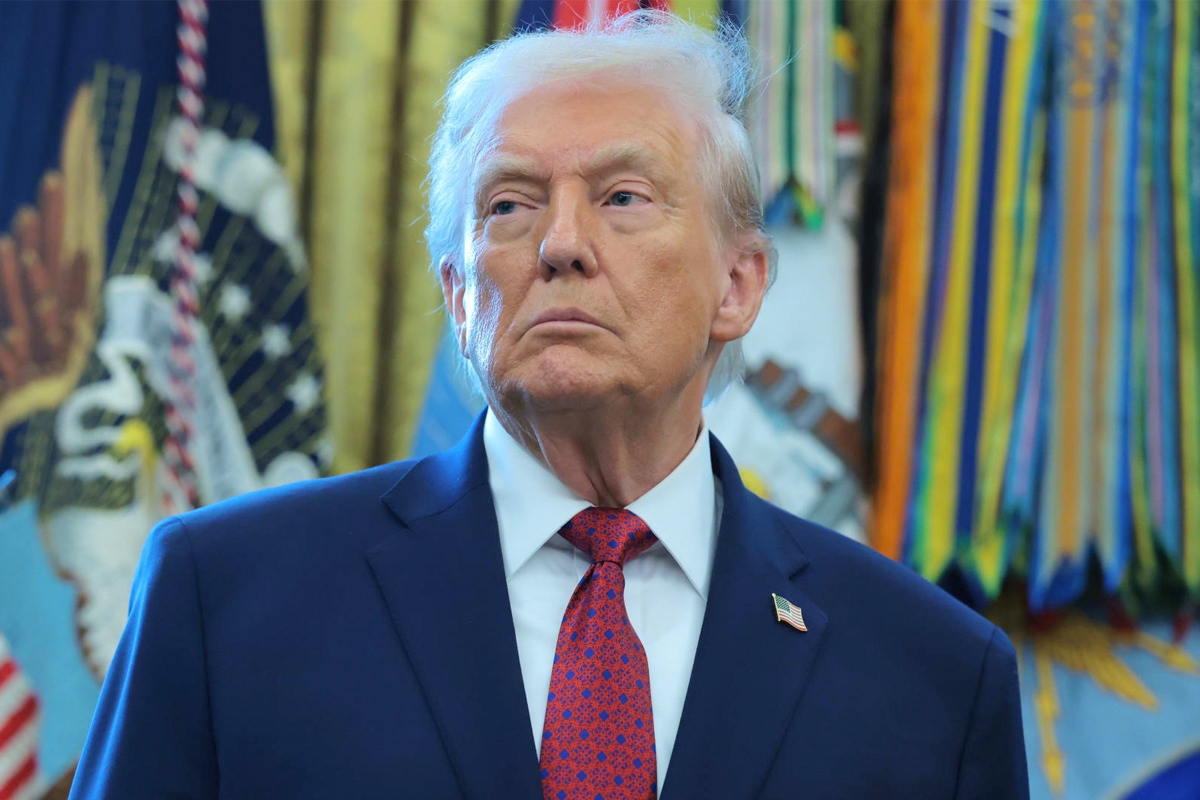
US President Donald Trump described the conflict with Iran as practically halted, while Qatar works on mediation to end the uncertainty, amid warnings of the closure of the Strait of Hormuz and Iranian demands for the lifting of sanctions.
Translated by Qiyas from الجريدة — Original source
In a move widely seen as the clearest indication that the war which erupted in late February and caused widespread turmoil across the region is coming to an end, US President Donald Trump described the conflict with Iran as effectively over, noting that a resumption of hostilities is a very remote possibility.
Following a “wonderful and positive” meeting with Qatari Prime Minister Mohammed bin Abdulrahman, Trump wrote on his platform, Truth Social, that “Iran is effectively finished militarily, and we are just maintaining the status quo,” adding, “I can’t guarantee anything, but if we are forced to resume military operations against them, we are ready and prepared to move.”
He indicated that he would ensure US interests are protected at all times, and stated he does not wish to officially declare the end of the conflict militarily until he is certain of the safety of Washington’s allies in the region. He emphasized efforts to reach a “long-term solution that prevents Tehran from acquiring a nuclear weapon.”
Meanwhile, Axios cited a well-informed diplomat as saying that Trump clarified to the Qatari Prime Minister that he wants to reach an agreement with Iran and will “give negotiations a chance,” but noted he might change his stance if the Iranians do not engage seriously in the talks.
This coincided with an announcement by Ibrahim Al-Hajri, Director of Communications at the Qatari Ministry of Foreign Affairs, that positive feedback had been received from Washington and Tehran regarding mediation efforts aimed at ending the war between them. Al-Hajri explained that mediators are working to end the “no war, no peace” situation characterizing the region and to put an end to the state of uncertainty, thereby paving the way for a settlement that ends the confrontation and restores stability to the region.
The Qatari official spoke of progress in mediation but warned of the repercussions of closing the Strait of Hormuz.
Earlier, bin Abdulrahman clarified that he had discussed with Trump and his vice president, JD Vance, the prospects of reaching an agreement and establishing peace in the region, expressing appreciation for the discussions, which he described as “positive.”
For his part, Iranian Foreign Minister Abbas Araghchi urged Washington to respond to demands to end the conflict, publicly denying any plan for a meeting between Mohsen Rezaee, Secretary of the Supreme National Security Council, and the US Vice President.
As the Iranian regime fears pursuing a diplomatic track that would lose the leverage of keeping fuel prices high amid declining tensions and the possibility of renewed war, Rezaee stated that the United States must “stop fabricating false news about phantom talks.” He added that “the time has come to comply with the seven conditions Iran has repeatedly presented.”
Iran’s proposal to end the war includes lifting the US blockade on its ports, removing some sanctions, and halting airstrikes in exchange for opening the Strait of Hormuz, followed by negotiations on its nuclear program and other sanctions.
On the ground, the Islamic Revolutionary Guard Corps claimed that two tankers caught fire after “colliding with naval mines in an unauthorized route” in the Strait of Hormuz yesterday. Meanwhile, foreign ministers of several countries, including Qatari Minister Mohammed bin Abdulrahman and Saudi Minister Faisal bin Farhan, held a meeting regarding the Iran crisis in Paris on the sidelines of the G7 forum yesterday.
