Egypt: Our Troops in Saudi Arabia for Months
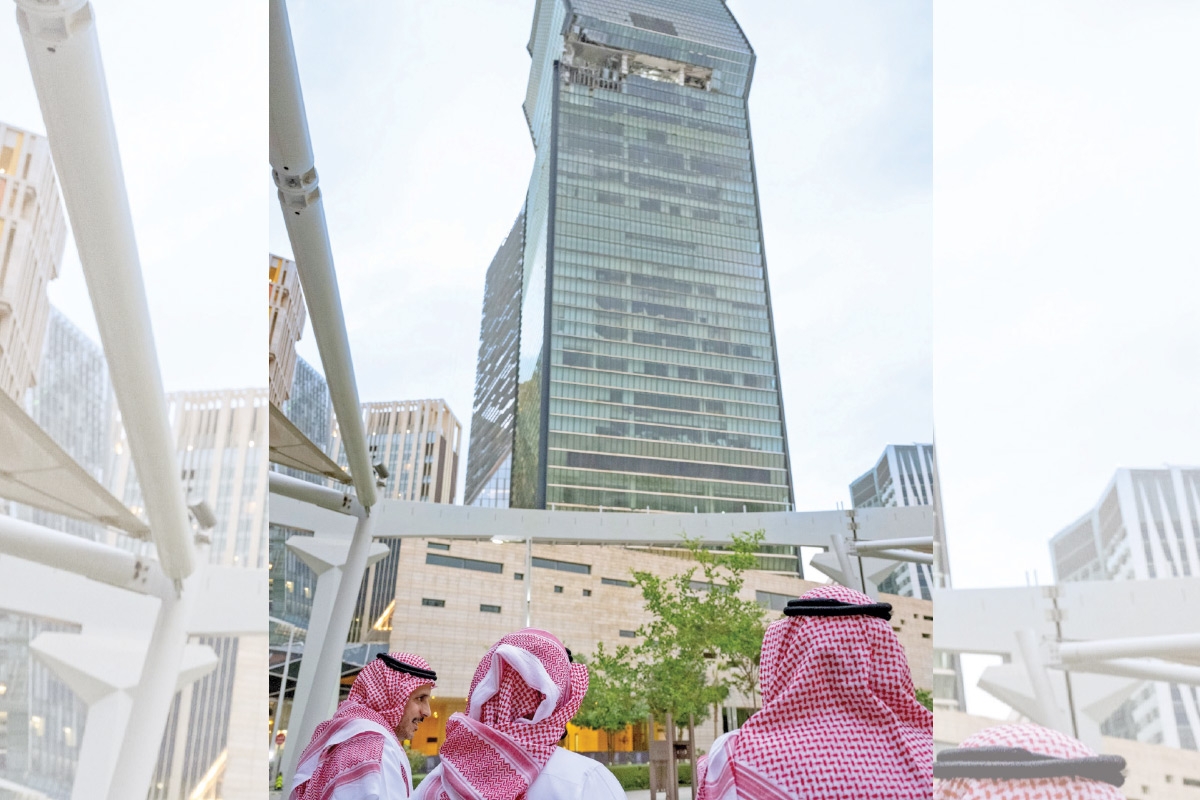
Badr Abdelatty confirms Sisi's mandate to support Saudi Arabia defensively, while the Houthis continue attacks on facilities in Riyadh, the Eastern Province, and Medina
Translated by Qiyas from الجريدة — Original source
Amid the ongoing terrorist attacks by the Iran-backed Houthi militia on global energy facilities and civilian and residential infrastructure, including in the holy cities of Mecca and Medina, as well as in Riyadh, Egyptian Foreign Minister Badr Abdelatty stressed that Saudi security is an integral part of Egypt’s national security. He revealed that Egyptian forces have been present in the Kingdom for several months to support its defensive capabilities against the unjust aggression it faces.
Speaking to France 24 on the sidelines of the G7 meeting in Paris two days ago, Abdelatty stated that the Egyptian parliament’s mandate for President Abdel Fattah el-Sisi to take necessary measures in coordination with Saudi Arabia is clear, granting him the authority to take appropriate steps to enhance Saudi defensive capabilities and secure key sites within the Kingdom, including the dispatch of weapons and troops.
He clarified that the presence of Egyptian forces in Saudi Arabia dates back several months, following the escalation with Iran and the attacks suffered by the Kingdom. He emphasized that Egypt’s move is purely defensive and does not aim to engage in military operations outside Saudi territory toward Yemen.
In response to Houthi statements characterizing the Egyptian mandate as a declaration of war, Abdelatty cited confirmations from members of the Iran-backed group’s political bureau that Egypt is a “reliable partner,” and welcomed their mediation efforts. He affirmed that Egypt is working to de-escalate tensions and that the crisis requires political, not military, solutions.
The Egyptian Foreign Minister stressed the continuation of communications with Saudi Arabia to resolve the crisis, calling on the other party to halt attacks on the Kingdom and implement withdrawals on the ground, thereby paving the way for the resumption of negotiations within the framework of a previously agreed-upon roadmap.
On the ground, Houthi attacks on Saudi Arabia continued. The Saudi-led coalition supporting legitimacy in Yemen announced yesterday the interception and destruction of two ballistic missiles launched by the Houthi militia toward Riyadh and the southern region, as well as the destruction of a drone in the skies of the Eastern Province.
Coalition spokesperson Brigadier General Turki Al-Maliki stated that air defenses handled the threats, while early warning systems issued alerts to residents of Riyadh, Abha, and Khamis Mushait before the danger was lifted.
Earlier, the coalition announced the interception and destruction of another ballistic missile and a cruise missile launched by the militia toward Riyadh, along with a drone in the Eastern Province. Reports also indicated the interception of another ballistic missile targeting the southern region.
In a related development, Prince Mohammed bin Abdulrahman, Deputy Emir of the Riyadh Region, inspected the limited damage to the administrative building of Aramco caused by the Houthi attack on Sunday morning, and ordered the provision of all necessary resources to facilitate the work of employees.
In another incident, the Ministry of Energy announced that the East-West oil pipeline in the Medina region was targeted two days ago, causing a minor fire that emergency teams managed to extinguish, with no injuries or impact on the pipeline’s operational processes.
The pipeline is gaining increasing strategic importance, as it enables the transport of oil from production fields in eastern Saudi Arabia to the port of Yanbu on the Red Sea, allowing exports to bypass the Strait of Hormuz, where navigation has been affected by the conflict with Iran.
Amid the continued threats, educational institutions in Riyadh resumed remote learning classes yesterday as a precautionary measure, just two days after the resumption of in-person classes.
Canadian Prime Minister Mark Carney, during a call with Saudi Crown Prince Mohammed bin Salman, condemned the terrorist attacks by the Houthi militia on Saudi Arabia, reaffirming his solidarity with the Kingdom in the face of all threats to its security and the safety of its citizens and residents.
Meanwhile, as Houthi-affiliated media reported that the provinces of Al-Hudaydah, Marib, Saada, Taiz, Lahij, and Al-Jawf were subjected to more than 100 airstrikes within 24 hours, the official spokesperson for the Yemeni Armed Forces, Colonel Majid Al-Nazili, announced the neutralization of 127 Houthi leaders and fighters, and the destruction or damage of 158 vehicles and combat equipment over the past 24 hours, as part of the “Fajr al-Yemen” (Yemen Dawn) operation.
These operations coincided with the largest coordinated strike against the Houthi militia since the launch of the “Fajr al-Yemen” campaign, with more than 900 aerial, artillery, and drone targeting operations conducted within 24 hours, hitting Houthi positions across six provinces: Taiz, Marib, Saada, Hajjah, Al-Bayda, and Al-Jawf.
