Victims Unnumbered by Wars
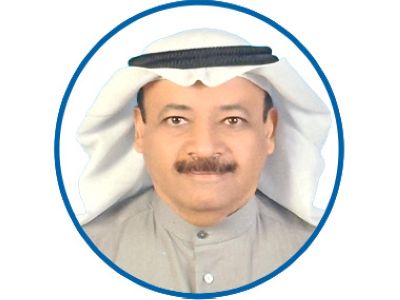
Sheikh Jaber Al-Ahmad's initiative to establish the Social Development Office in 1992 to treat the effects of psychological war trauma.
Translated by Qiyas from الجريدة — Original source
When the cannons fall silent, it does not mean the war has ended; other wars continue within the human soul, invisible to the eye and unreported in news broadcasts.
In a world where events accelerate and wars and conflicts multiply, attention is drawn to the scale of destruction, material losses, and casualty figures, while another tragedy, no less serious, fades from view: the psychological and social impacts of these events, particularly on children, who may carry memories of fear, loss, and displacement for many years.
Kuwait may have offered the world a pioneering human model in recognizing this truth, when its late Amir, Sheikh Jaber Al-Ahmad Al-Jaber Al-Sabah, may God have mercy on him, realized that liberating land and rebuilding structures are insufficient unless the souls exhausted by the Iraqi aggression are healed.
In 1992, through his gracious initiative, the Social Development Office, then under the Amiri Diwan, was established to address the psychological and social effects of the invasion, a step that embodied the foresight of Kuwaiti leadership and its conviction that building human beings precedes building infrastructure.
Today, as we follow scenes of wars and human tragedies across the world, the importance of that vision is renewed. Behind every image of a child who survived bombing may lie a memory burdened with terror, and behind every family that has returned home may remain psychological wounds that cannot be healed by the return of life to normalcy.
If wars are measured militarily by their outcomes, their human impacts do not end with the signing of a peace agreement or the declaration of a ceasefire.
Hence, the need arises to make psychological and social support an integral part of humanitarian crisis response, rather than a secondary service provided after relief and reconstruction. Nations do not truly recover unless their people do.
Kuwait, through Sheikh Jaber Al-Ahmad’s vision, was ahead of its time in addressing post-war wounds, an experience worth recalling today as a human lesson that transcends geographical and historical boundaries.
War may destroy a home in an instant, but fear may inhabit a child’s heart for a lifetime.
If peace restores security to nations, it is the care of human beings that restores peace to souls.
