'Bitcoin' continues to decline... 'Binance' closes European accounts
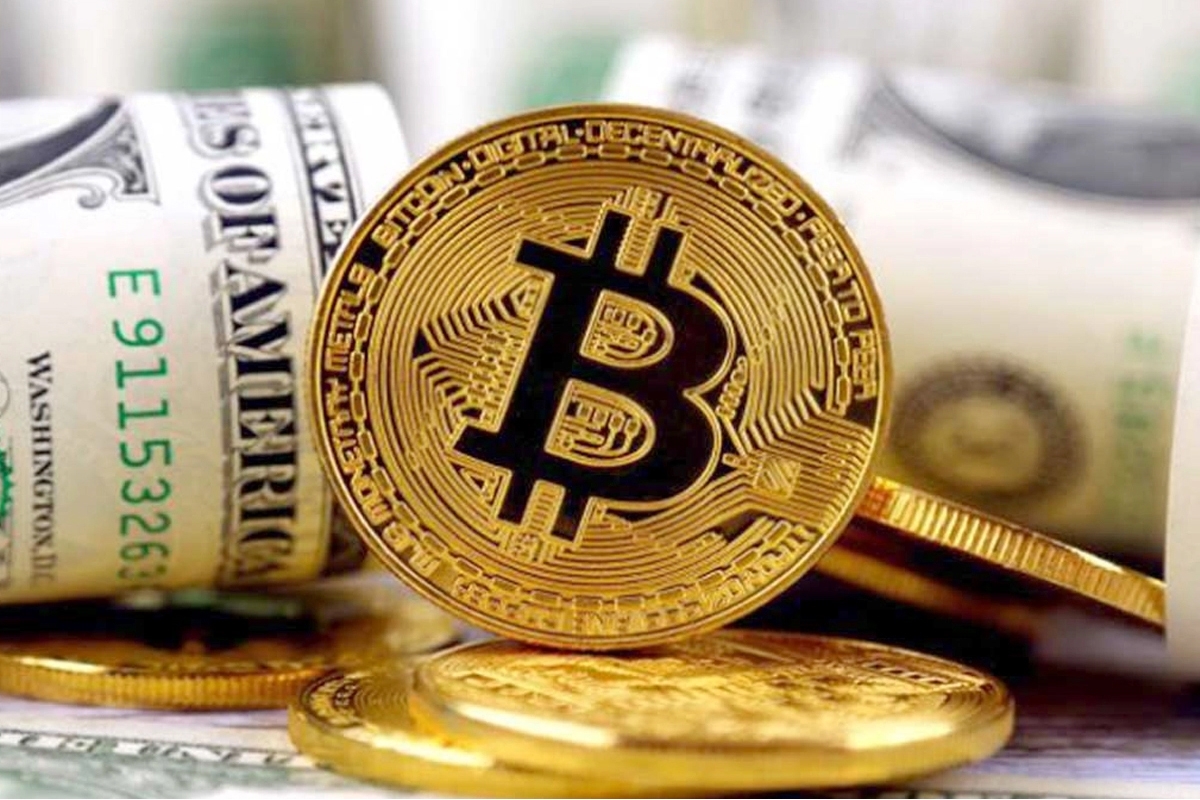
Binance closes accounts in Europe as Bitcoin falls below $76,000.
Translated by Qiyas from الجريدة — Original source
Bitcoin remained below the $76,000 mark during today’s trading, as pressure on the cryptocurrency market continued due to new regulatory and security developments. The most prominent of these was Binance’s preparation to close the accounts of some customers in several European countries, coinciding with authorities tightening oversight of digital asset transactions and pursuing cases of sanctions evasion.
The world’s largest cryptocurrency fell by 0.34% to $75,776.70, staying below the $80,000 level, which it has been unable to reclaim after a difficult week for digital assets.
These moves come as the cryptocurrency market faces a range of challenges related to the ability of major platforms to comply with regulatory frameworks, the ease with which investors can access trading services, and concerns over the security of customer data and funds.
Clients in France, Spain, Italy, and Poland reported receiving notifications about the removal of their accounts from the service, with deposits halted for affected accounts, while withdrawals remained available to users.
According to notices sent by the platform, Binance plans to start charging monthly fees on remaining balances from November 29, amounting to 0.025% of the balance or 10 units of the stablecoin USDC, whichever is higher, with a deadline set for imposing additional fees after December 24.
These restrictions are linked to the platform’s failure to obtain a license under the European Union’s unified regulatory framework for crypto-asset services. Binance withdrew its license application in Greece in June, while continuing to seek regulatory approvals in other European markets.
The EU regulatory framework aims to establish uniform rules for cryptocurrency service providers, including licensing, compliance, and customer protection requirements, forcing platforms operating in the region to adapt their operations to the new standards.
In a separate regulatory development, the European Union established a specialized task force to combat the use of digital assets to circumvent sanctions imposed on Russia. The initiative is expected to last for 12 months, coordinating enforcement efforts among member states and targeting networks that facilitate prohibited transactions using cryptocurrencies.
This move adds further pressure on the sector, as oversight extends beyond the licenses required by trading platforms to include the nature of transactions passing through them and their potential links to sanctioned entities or activities.
