Jassim Al-Badawi: Goal to Complete Gulf Railway Project by End of 2030
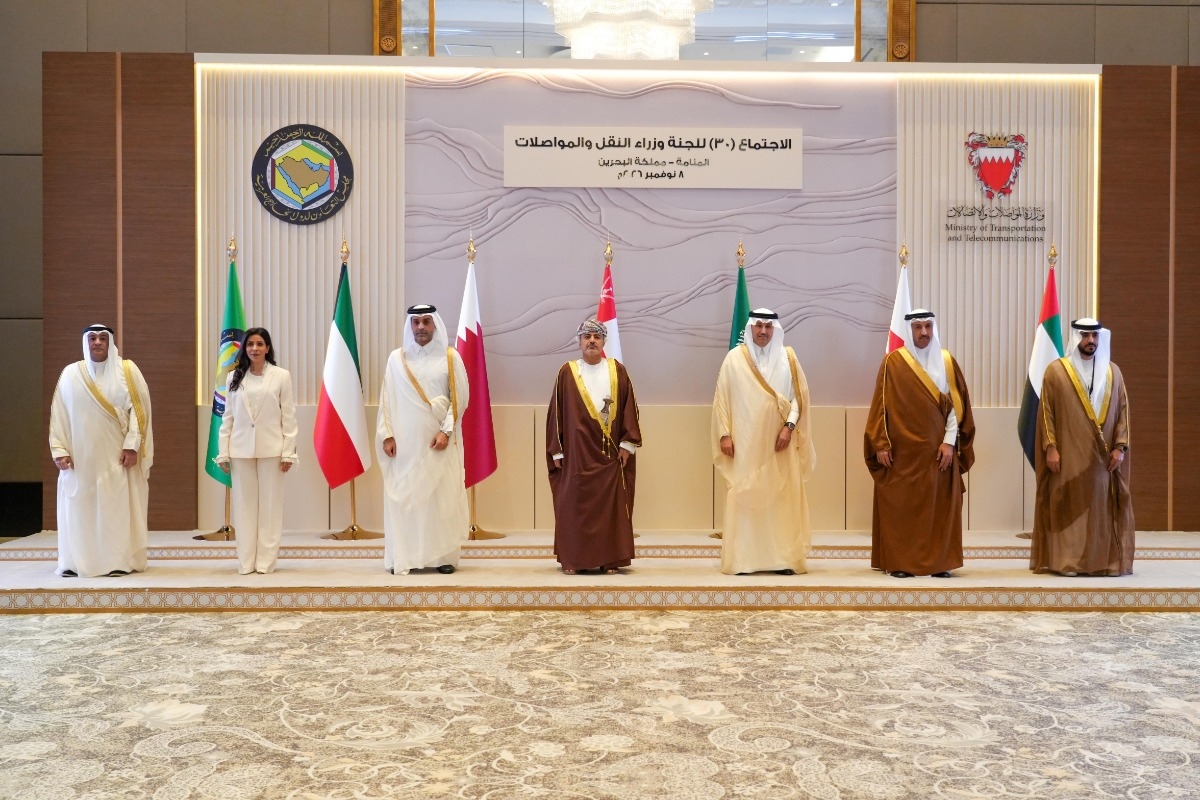
Al-Badawi affirmed the importance of logistical integration and completing the railway project by 2030 to enhance GCC economic security.
Translated by Qiyas from الجريدة — Original source
The Secretary-General of the Gulf Cooperation Council (GCC) Secretariat, Jassem Al-Budaiwi, affirmed that enhancing connectivity between transport and logistics networks in GCC member states constitutes a fundamental pillar for safeguarding the region’s economic security and ensuring the continuity of trade flows and the movement of goods. He noted that the integration of GCC capabilities and the diversification of supply routes strengthen the member states’ capacity to confront crises and maintain market stability.
This statement was made during his address at the 30th meeting of the GCC Ministers of Transport and Communications Committee, held today, Sunday, in the Bahraini capital of Manama. The meeting was chaired by Dr. Sheikh Abdullah bin Ahmed Al Khalifa, Bahrain’s Minister of Transport and Communications and Chairman of the current session, with the attendance of the committee members from the GCC member states.
Al-Budaiwi stated that the GCC railway project, targeted for completion by the end of 2030, represents one of the strategic initiatives supporting GCC integration. He highlighted its role in facilitating the movement of passengers and cargo, linking road transport networks with ports and logistics hubs, and enhancing the efficiency and competitiveness of the Gulf transport system.
He emphasized that the rapid transformations occurring in the region and globally, accompanied by disruptions in maritime routes and rising shipping and insurance costs, have underscored the strategic importance of the transport and logistics sector in supporting market stability and the continuity of trade and vital services. He stressed the necessity of enhancing GCC coordination to improve responsiveness to these changes.
The Secretary-General also expressed his sincere gratitude and appreciation to the United Arab Emirates, Saudi Arabia, and the Sultanate of Oman for their cooperation, facilitation, and coordinating efforts during the period of Iranian aggression. These efforts contributed to providing alternative routes for the movement of goods and commodities, ensuring the continuity of supply chains to other GCC member states. He affirmed that these initiatives exemplified the depth of GCC solidarity and translated integration among member states into practical measures supporting economic security and shared interests.
He pointed out that investments by GCC member states in developing road, air, and sea transport sectors, as well as infrastructure and logistics facilities, have contributed to enhancing transport system efficiency and supporting economic activity. He noted that the transport and storage sector in the GCC achieved real growth of 5.7% in 2025, making it one of the fastest-growing non-oil economic activities.
He stressed that the priorities for the coming phase include strengthening integration between transport and logistics systems, diversifying transport and supply routes, and raising readiness levels and joint coordination to confront crises. These measures aim to enhance supply chain resilience and ensure the continuous flow of goods and products.
In this context, he referred to the directives issued by Their Majesties and Highnesses, the leaders of the GCC member states, during the 19th Consultative Meeting of the Supreme Council, held in Jeddah on April 28, 2026, to prepare a study aimed at enhancing logistical integration among GCC member states. He clarified that the current meeting reviews the progress made in preparing this study.
Concluding his speech, the Secretary-General emphasized the importance of continuing joint efforts to develop the transport and communications sector. He expressed his appreciation to Their Excellencies and Highnesses, the committee members, for their efforts in serving the GCC member states and their peoples, and for advancing the course of GCC cooperation and integration.
