Washington Insists on Pressuring Hezbollah and Expels Lebanese Diplomat
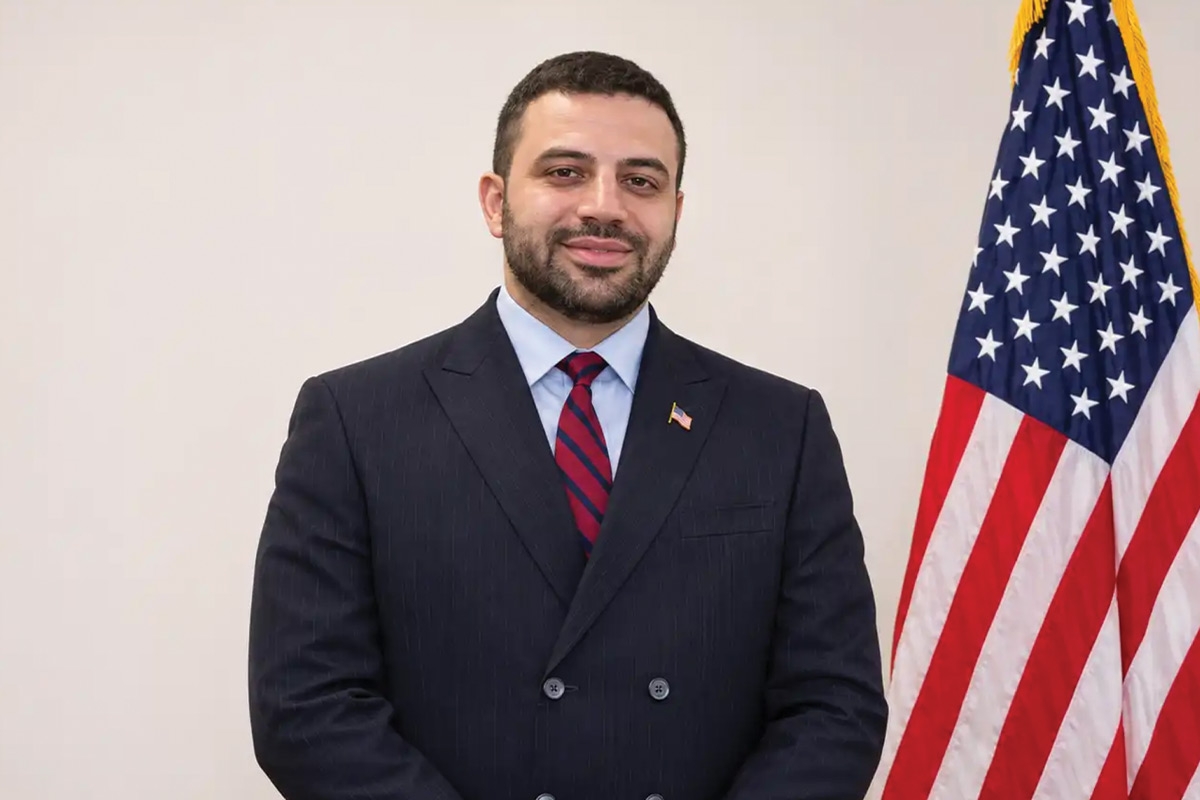
Washington expels Lebanon's consul general in Detroit and continues pressure on Beirut to decouple Lebanon's file from Iran and pressure Hezbollah
Translated by Qiyas from الجريدة — Original source
Lebanon a awakened to a new American move carrying further signs of sustained pressure from Washington on Beirut. The U.S. State Department informed Lebanese authorities that Lebanon’s consul general in Detroit, Ibrahim Sharara, had been declared persona non grata in the United States and was required to leave U.S. territory by Sunday at the latest.
The decision came days after the conservative website Washington Free Beacon published an article by journalist Chuck Ross, which reposted statements and social media posts attributed to Sharara praising the 1983 attack on the U.S. Marine barracks in Beirut that killed 241 American servicemen. The posts also referenced his attendance at an event for the Arab-American community in Michigan on the eve of the midterm congressional elections, which was attended by newly elected Democratic Senator Abdulhamid Sayyid, known as Abdul.
This step signals the continuation of a maximum pressure policy. Even if the United States steps back from a military path, the political pressure campaign will persist, whether through the threat and imposition of sanctions or by emphasizing the need to continue pressuring Hezbollah or political, security, and judicial officials, in an effort to decouple Lebanon from Iran and dismantle the party and its institutions domestically.
As for the Lebanese-Israeli negotiations, which appear to have entered a state of clinical death at this stage, Washington will continue its pressure to separate the political track of the agreement from its implementation track. All available data indicate that the Lebanese Army refuses to implement the agreement’s requirements and confront Hezbollah to disarm it. Meanwhile, Washington seeks to have a framework agreement approved by the UN Security Council as a governing instrument for Lebanon-Israel relations, pushing toward a peace deal desired by Trump before the end of his term, with all the implications this could have for destabilizing the domestic situation.
According to diplomatic sources, there is continued and direct U.S. interest in the case of the explosives seized at Dahr al-Bider, stressing the need to complete the investigation to the end without diluting or delaying it, with the U.S. insisting on referring the case to the Council of State.
Washington also appears keen on repealing the Boycott of Israel law, amid reports that the Lebanese state has received new messages regarding the approval of a new law abolishing the boycott and ban. Sources indicate that the U.S. administration is monitoring parliamentary blocs that will support or oppose the passage of this law. This further demonstrates the ongoing U.S. approach of pressure and hardline tactics.
