Venezuela... Will Oil Spark an Economic Renaissance or an Early Bubble?
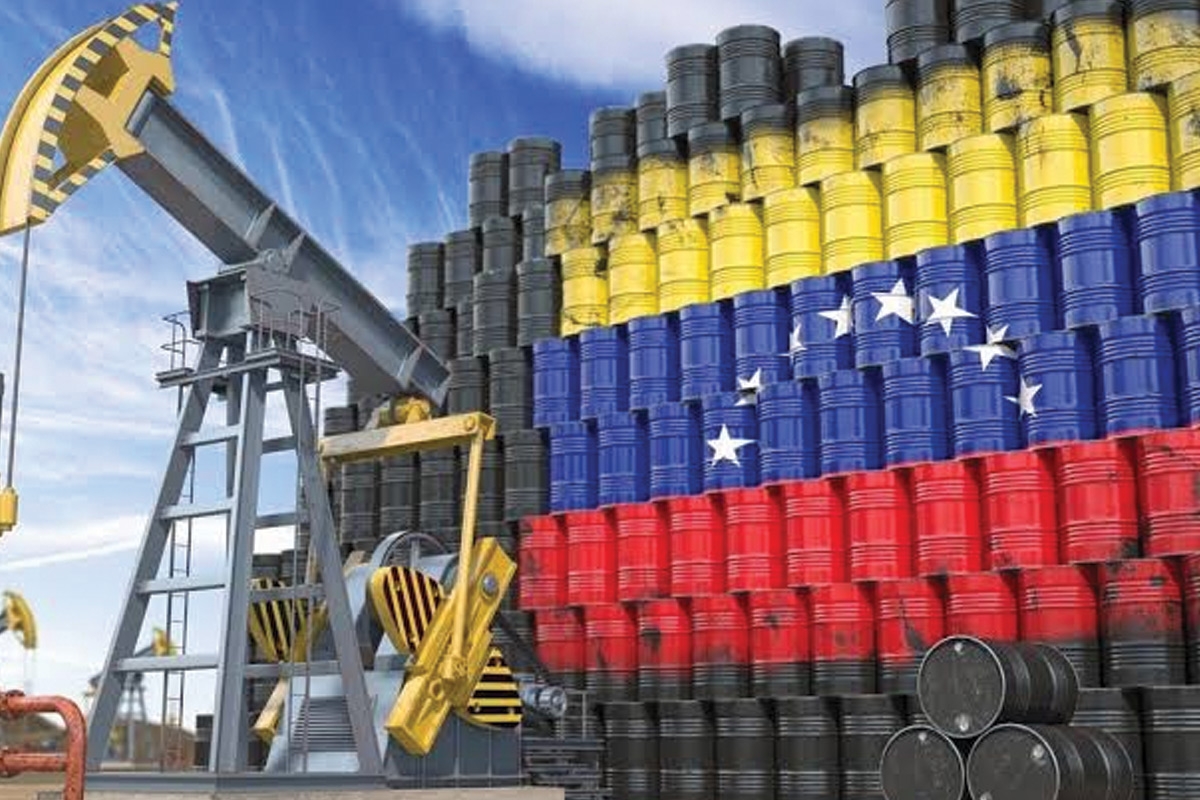
Chevron invests in Venezuela amid economic optimism and infrastructure challenges.
Translated by Alqyas from Al-Jarida — Original source
Venezuela is witnessing a scene unseen in years, with private jets returning to land regularly at El Tigre airport on the outskirts of the Orinoco Oil Belt, carrying officials and chief executives from global energy and oil services companies seeking to seize early opportunities in one of the world’s most oil-rich regions.
According to a Bloomberg report, companies linked to the energy sector, including Chevron, have begun leasing offices and warehouses, importing equipment, and hiring workers in preparation for resuming drilling operations and rehabilitating idle wells, signaling growing bets on the recovery of Venezuela’s oil sector after years of decline.
This activity has quickly spilled over into the local economy in oil cities. Rents for furnished homes have risen by about 33% since the beginning of the year, while rents for some properties in the San Tome suburb have jumped to $4,500 per month, compared to around $1,500 just a year ago. Occupancy rates at one of the region’s leading hotels reached 87% in October, up from 35% in the same period last year.
What brought investors back? The roots of this shift lie in the political changes that swept the country earlier this year, when President Nicolas Maduro was ousted, paving the way for a US-backed transitional government to begin restructuring the investment environment for the energy sector.
The new authorities moved swiftly to amend laws governing the oil industry, cutting taxes and royalties, and granting the private sector a larger role in an industry that had remained under direct state control for decades. The government is betting that these measures will attract investments totaling nearly $76 billion to the oil and gas sectors over the next five years.
Optimism precedes barrels, but ironically, the current wave of investment enthusiasm has outpaced any tangible improvement in production. Venezuela’s output remains around 1.2 million barrels per day, roughly one-third of the levels recorded during its peak in the 1990s.
Infrastructure continues to face significant challenges, as oil cities experience frequent power outages and ongoing water supply issues, raising questions about how quickly announced investments will translate into actual economic growth.
Local business owners say the effects of the recovery have not yet reached the real economy. While rents are rising and foreign companies are increasing their activity, many residents do not feel a noticeable improvement in income levels or business activity.
Will the oil boom scenario repeat itself? Industry experts believe the road to restoring Venezuela’s former status among top oil producers is still long. Rehabilitating aging fields and facilities requires massive investments and time, with local estimates suggesting that the actual results of these investments may not begin to materialize until 2028.
Nevertheless, the return of private jets and investor delegations to the heart of oil regions shows that markets are betting more on the future than on current realities. The question remains: Will this wave of investment succeed in rebuilding Venezuela’s oil industry and turning underground wealth into genuine economic growth, or does enthusiasm once again outpace the sector’s capacity to recover?
