Al-Faris: Kuwait Ready for Phase Two of UN Anti-Corruption Convention Implementation Review
Press coverage 2 newspapers covered this event: Al-Jarida · Al-Rai →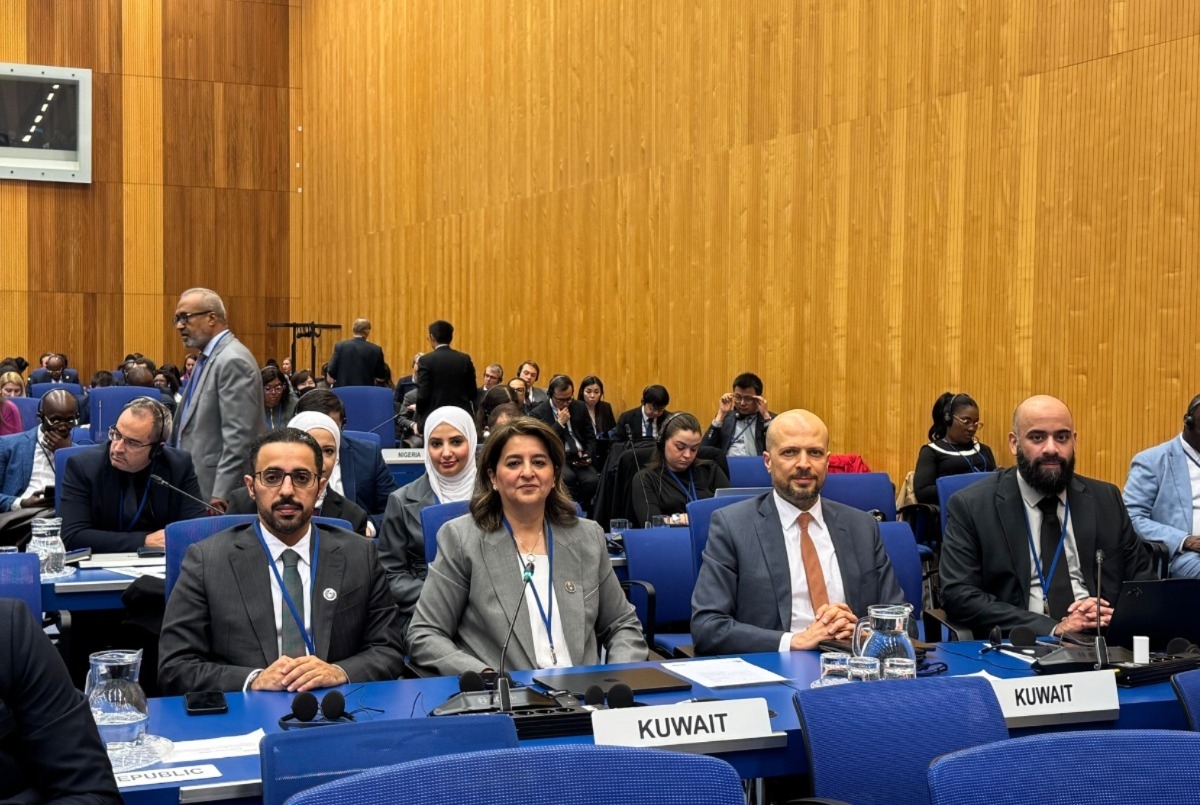
Dr. Rana Al-Faris, head of the National Authority for Combating Corruption, affirmed Kuwait's readiness to engage in the second phase of the UN Convention against Corruption implementation review, emphasizing the importance of transparency, efficiency, and neutrality.
Translated by Qiyas from الجريدة — Original source
Dr. Rana Al-Faris, Chairperson of the Public Authority for Combating Corruption (Nazaha), affirmed Kuwait’s full readiness to engage in the second phase of the implementation review mechanism of the United Nations Convention against Corruption (UNCAC), reflecting Kuwait’s commitment to supporting international efforts aimed at enhancing integrity and combating corruption.
This statement was made in Kuwait’s address during the extraordinary session of the Conference of the States Parties to the UNCAC. Dr. Al-Faris emphasized the significance of this session as a milestone in the Convention’s journey, noting its role in establishing the procedural foundations for the second phase of the implementation review mechanism. This includes adopting the reference self-assessment checklist, the revised standard timeline for country reviews, the simplified format for country review reports, and comprehensive summaries.
Dr. Al-Faris pointed out that during the eleventh session of the Conference of the States Parties, Kuwait had called for the next phase of the review mechanism to be grounded in practical application, statistical data, and enforcement outcomes. She welcomed the embodiment of this approach within the scope of the second phase, particularly concerning the measurement of progress in addressing observations from previous review reports, monitoring practical implementation, and identifying technical assistance needs.
Kuwait identified key pillars that it considers essential for the success of the upcoming phase, based on principles of transparency, efficiency, and neutrality. These pillars involve linking technical assistance needs with targeted and tangible support that helps bridge identified gaps and enhances learning and peer-to-peer exchange of expertise.
In conclusion, Dr. Al-Faris reiterated Kuwait’s readiness to cooperate actively and participate in the second phase of the implementation review mechanism, contributing to enhancing the mechanism’s efficiency and achieving the objectives of the United Nations Convention against Corruption.
