New Wave of 'Fake Bombs' Disrupts European Atmosphere
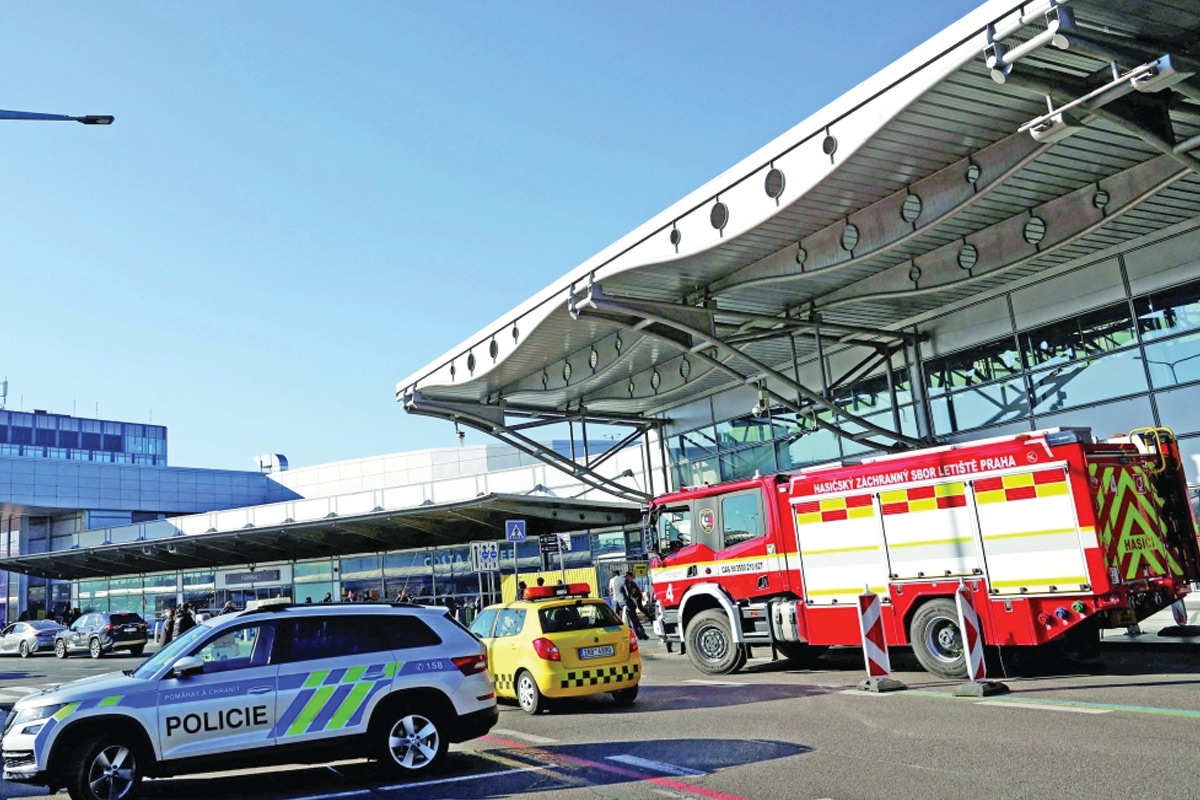
European airports and flights face a series of bomb threats, leading to flight diversions and forced landings, amid European accusations against Russia and Iran
Translated by Qiyas from الجريدة — Original source
European skies and airports experienced widespread disruption yesterday following a series of simultaneous false bomb threats, an incident that has recurred over the past week amid repeated European warnings about escalating “hybrid attacks” aimed at disrupting European institutions and infrastructure.
In the latest wave of threats, 12 civilian passenger aircraft received bomb threat warnings yesterday, with some escorted by fighter jets before being forced to make emergency landings at various airports.
Irish airline Aer Lingus stated that its flight from Dublin to Rome landed safely at Evreux Airport, located 100 kilometers from Paris, after being diverted as a precautionary measure.
While Czech police confirmed that no explosives were found on four aircraft that received bomb threats and landed in Prague, the Italian Air Force escorted a Vueling flight from Helsinki until it landed safely in Rome according to its scheduled timetable.
Rome Airport authorities stated that the bomb alert did not disrupt operations at Rome Fiumicino Airport, while Bulgarian officials reported that three aircraft made emergency landings due to bomb threats. The interior minister said two flights from Copenhagen and Madrid landed in Sofia, and a third flight from London landed in Plovdiv.
A LOT Polish Airlines flight from Warsaw also landed safely at Brussels Airport following a suspicious report concerning the aircraft.
These developments follow a similar series of alerts last Tuesday involving approximately 10 civilian aircraft bound for European airports, including flights operated by Ryanair, SAS, LOT, and Wizz Air, which required some to be diverted and subjected to security screenings.
The European Commission confirmed it is closely monitoring reports of bomb threats targeting Europe’s aviation sector, noting that it is too early to determine whether there is a link between these incidents.
Last Monday, Hungarian Defense Minister Róbert Szijjártó stated that NATO’s air defense warning system issued a warning regarding a Wizz Air flight that departed from London Luton Airport.
The following day, authorities in the port of Syros island in the Aegean Sea evacuated the cruise ship Crown Iris as a precaution. The coast guard reported Tuesday evening that an unidentified person contacted the ship’s command, claiming a bomb had been placed on its hull.
The Panama-flagged vessel was scheduled to sail to Haifa, Israel.
No group has claimed responsibility for the threats, which come as European officials blame Russia and Iran for what they describe as “hybrid” attacks and acts of sabotage. Moscow and Tehran deny these allegations.
This week, unknown cyber attackers managed to shut down cooling systems in major retail stores across several European countries. Moscow denied yesterday’s accusations by European officials that it was behind the hacking incidents.
