Khamenei Makes No Distinction Between Republicans and Democrats
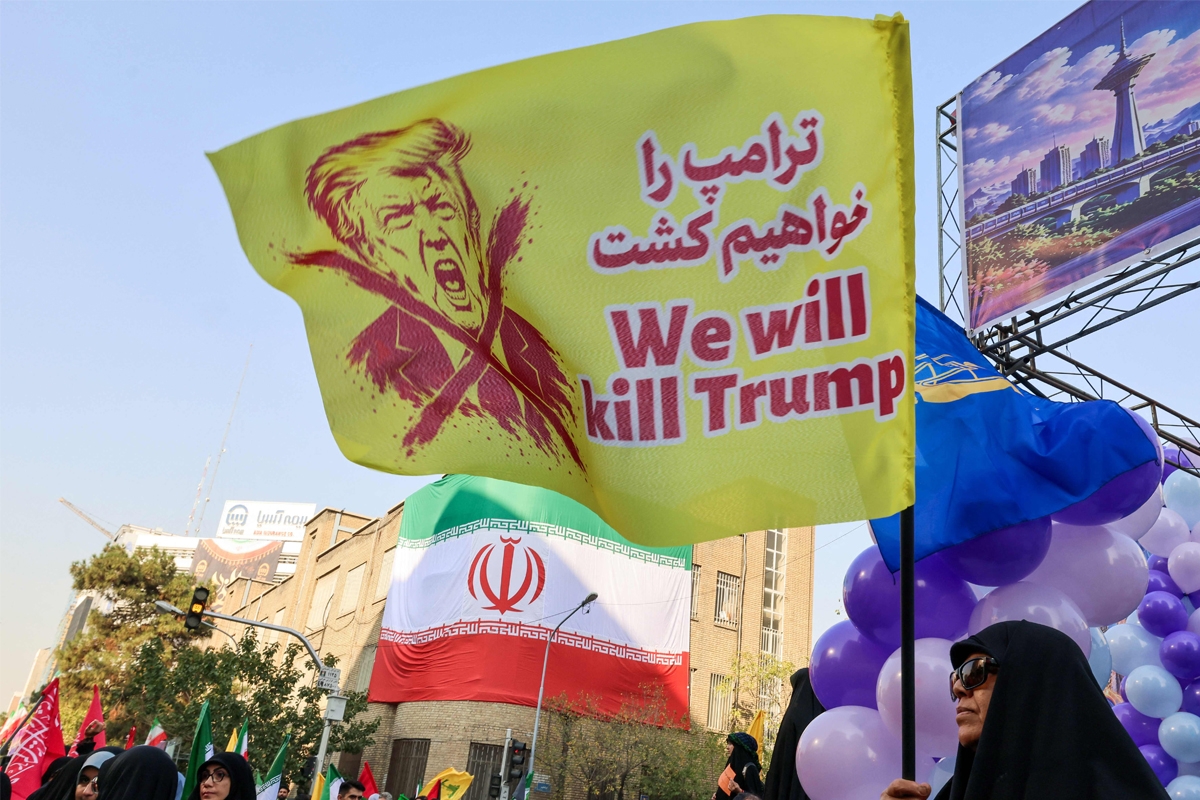
Mojtaba Khamenei rejected hopes for a change in US policy after Trump's defeat and threatened to expand the confrontation, while other officials warned against targeting European countries.
Translated by Qiyas from الجريدة — Original source
As uncertainty persists regarding the possibility of progress on the active Qatari-mediated track between Iranians and Americans, and with frequent talk of an imminent resumption of war between the two sides, Iranian Supreme Leader Mojtaba Khamenei rejected reliance on a change in U.S. policy following the defeat of Republican President Donald Trump’s party in the midterm congressional elections, warning that any new aggression would be met with a confrontation far broader than merely targeting U.S. bases in the region.
In a speech marking the anniversary of the storming of the U.S. Embassy in Tehran, Mojtaba Khamenei stated in a declaration: “If there are still those who pin even a sliver of hope on a change in the behavior of the hegemonic system, or on a shift in political parties and currents within it, or who imagine that making concessions to the United States could push it to abandon its hostility toward the Iranian people, they are committing a grave error.”
He added, “This false perception represents a denial of the great victories achieved by the Muslim Iranian people through reliance on God, steadfastness, and jihad.”
He continued, “Iran’s control over the Strait of Hormuz and the destruction of U.S. military bases in the region, while serving as a response to U.S. aggression and crimes during the imposed third war, also constitute an initial jihad against arrogance on a regional level. This jihad will take much broader dimensions if attacks are repeated.”
He warned that any move toward settlement and submission to Washington would only embolden the U.S. to make further demands and take subsequent military actions, considering Washington’s goal to impose “unconditional surrender” on his country.
Meanwhile, the Speaker of Parliament and chief negotiator Mohammad Bagher Qalibaf observed that “the American people said no to war” in the elections.
Qalibaf wrote on social media platforms: “If the U.S. government ignores the will of its people to serve international power centers and extortionists, it will realize that Iran’s rejection of war will come accompanied by a nightmare,” in reference to pressure from Israeli Prime Minister Benjamin Netanyahu.
At a time when a Pew poll showed that 73 percent of Americans feel very or somewhat concerned about rising gasoline and fuel prices due to the Iran war and Hormuz Strait disruptions, Qalibaf questioned the future of the conflict, which he expects to extend for several more months without a settlement, asking: “Is this a matter of conscience or cost? The American people said no to war, and we support this message.”
In the latest threats of expanding the war, Ahmad Ardastani, a member of the parliamentary National Security Committee, told Euronews that Germany and Italy could become targets of Iranian missiles if Washington uses its military bases there in any new attack on Iran.
Deputy Speaker of Parliament Hamid Reza Babaei also threatened new attacks on countries in the region, claiming that his country had informed “the states that came to Iran that we respect our neighbors, but if the United States undertakes any new move, we will target all prominent energy and non-energy sites used by Washington.”
