Al-Kandari to Al-Jarida: Some Immunity Tests Show Positive Results in 50% of Healthy Individuals
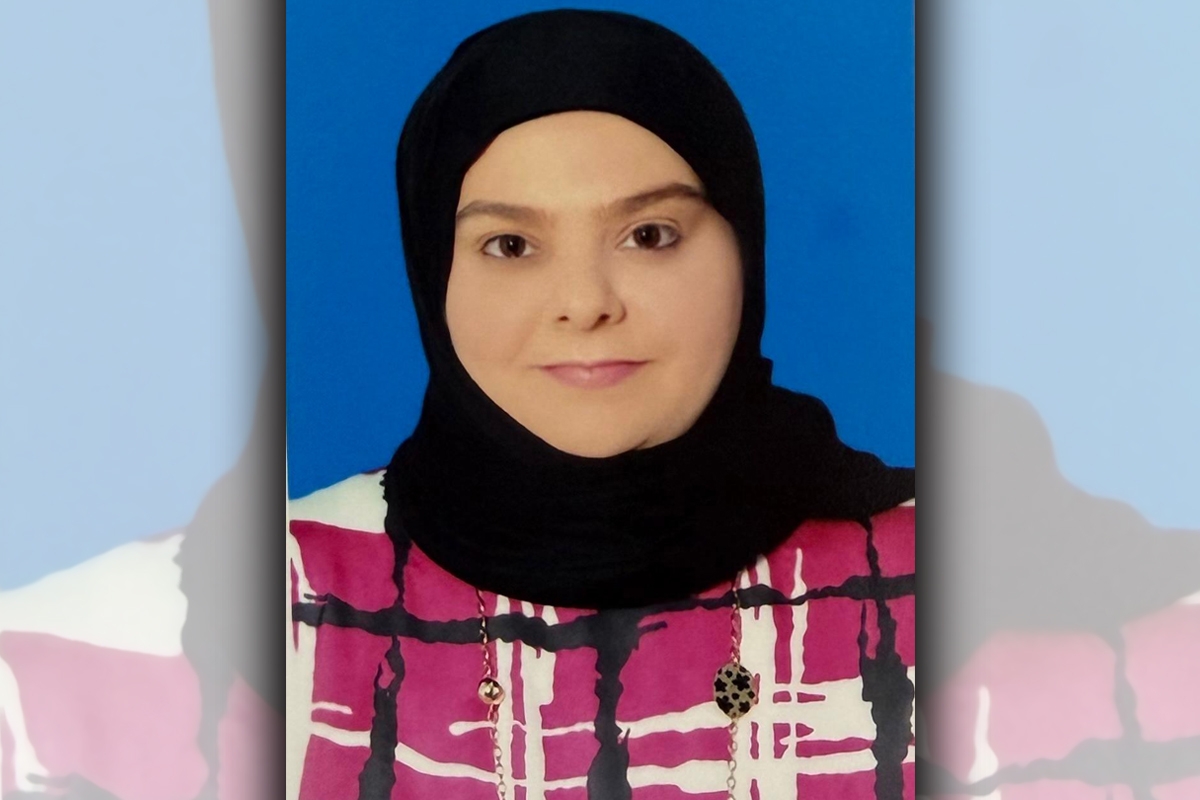
Dr. Al-Kandari warns against relying solely on immunity tests for diagnosing rheumatic diseases in children.
Translated by Qiyas from الجريدة — Original source
Dr. Anwar Al-Kandari, a pediatrician and rheumatologist at Al-Amiri Hospital, confirmed that a positive result in certain immune-related tests does not necessarily indicate an autoimmune or rheumatic disease. She noted that positivity rates can reach between 30 and 50 percent in some tests among individuals who do not suffer from any rheumatic disease, underscoring the need not to rely solely on laboratory results for diagnosis.
Speaking to Al-Jarida, Dr. Al-Kandari stated that diagnosing rheumatic and autoimmune diseases in children relies primarily on a detailed medical history and a comprehensive clinical examination. She explained that laboratory test results must be interpreted in light of clinical symptoms and signs, rather than in isolation from other elements of medical assessment.
She mentioned that laboratory tests used to evaluate these conditions include inflammatory markers, such as erythrocyte sedimentation rate (ESR), and certain antibodies associated with rheumatic diseases. However, a positive result alone is insufficient to confirm a diagnosis, as some of these results may appear in individuals without rheumatic diseases.
She added that diagnosis begins with an assessment of the child’s medical history, followed by a comprehensive clinical examination from head to toe to look for signs that may indicate a rheumatic disease. She emphasized the importance of combining symptoms, clinical examination, and laboratory results to reach an accurate diagnosis.
She clarified that rheumatic diseases in children encompass various conditions, including joint and muscle inflammation, as well as autoimmune diseases that may affect different organs in the body, such as lupus, which can also affect children and is not limited to adults.
Regarding treatment, she pointed out that most rheumatic diseases managed by physicians are considered chronic, although their course varies from case to case. Some children with arthritis may improve with age, with symptoms resolving during childhood, while others may continue to suffer into adulthood.
She noted that other conditions, such as lupus and dermatomyositis, may persist into adulthood, requiring continuous medical follow-up based on the nature of the disease and its activity level. She explained that treatment options vary according to the diagnosis and the child’s health status, and include biological therapies administered via injection for some patients, which are available for both children and adults as medically indicated.
