Education Ministry: Preparations under way for implementing the '2026 PIRLS' study
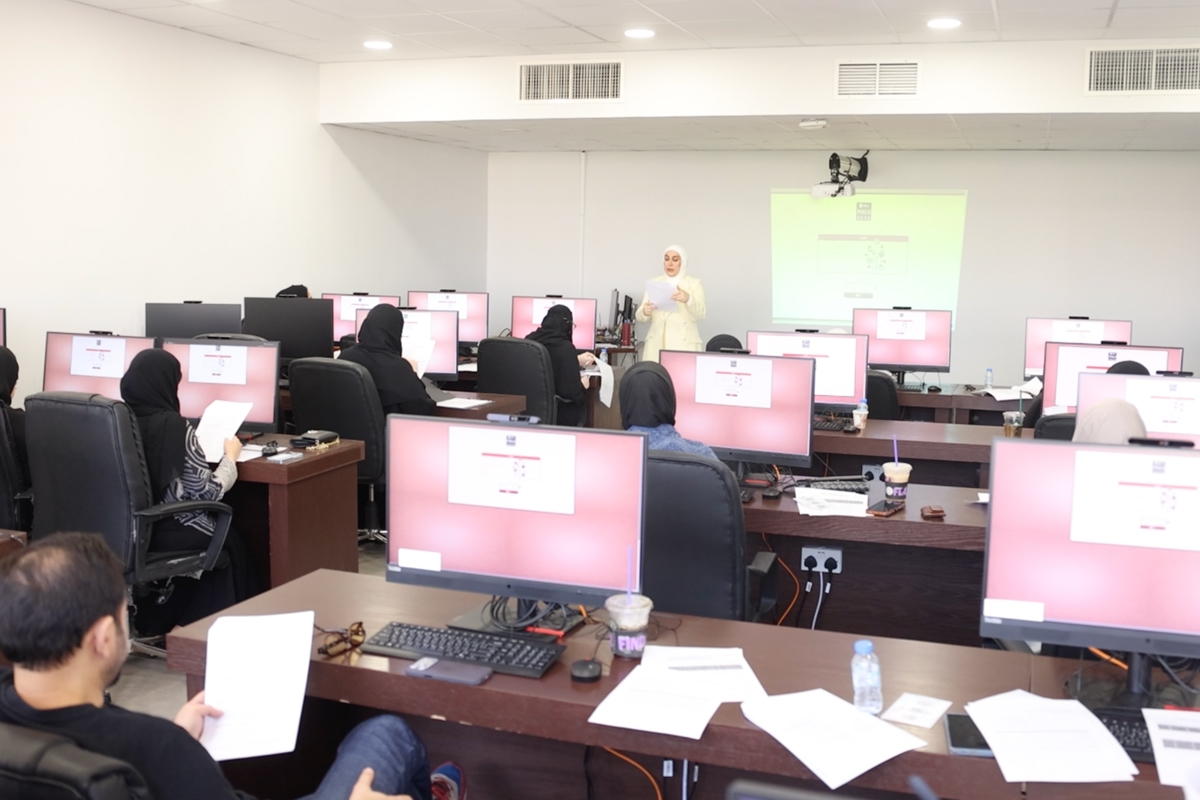
The Ministry of Education conducts training for the implementation of the PIRLS 2026 study.
Translated by Qiyas from الجريدة — Original source
As part of the Ministry of Education’s preparations for implementing the 2026 Progress in International Reading Literacy Study (PIRLS), the General Department of Student Measurement and Evaluation has continued to conduct a series of informational sessions and training programs for participating schools. These initiatives aim to enhance the readiness of school staff and ensure that the assessment is administered in accordance with established international standards and procedures.
Hawraa Al-Qattan, Supervisor of International Studies, stated in a press statement that the second phase of preparations began the day before yesterday. This phase consists of a training program for coordinators and test administrators in participating schools, organized by the Development and Enhancement Department, and will run until the 12th of the current month.
Al-Qattan noted that the first day was dedicated to theoretical training, held in two sessions. The first session targeted schools in the public and private Arabic-language education sectors, while the second session focused on participating foreign-language schools.
She explained that the theoretical training covered the procedures for administering the computer-based test, the adopted organizational and technical protocols, and the responsibilities of both coordinators and test administrators. It also addressed how to handle various scenarios that may arise during test administration, as well as the use of forms and tools for monitoring test progress and documenting student data.
Al-Qattan added that the program will move to the practical training phase in computer labs from the 3rd to the 12th of the current month. During this phase, coordinators and test administrators will receive hands-on training on using the test platform, student login procedures, implementation protocols, handling technical issues and exceptional cases, and completing the required official forms.
She pointed out that the national team overseeing the study ensured that practical training was conducted in small groups, with two sessions per day, each comprising between 20 and 24 trainees.
