The Malicious Tendencies of Tehran's Mullahs
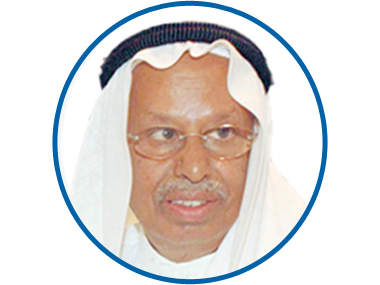
The text criticizes the Iranian regime in Tehran, pointing to its adoption of sectarianism, export of the revolution, and focus on nuclear weapons and long-range missiles at the expense of internal development, in contrast to the success of GCC countries.
Translated by Qiyas from الجريدة — Original source
The two verses belong to the pre-Islamic poet al-Afwa al-Audi, who lived long before the advent of Islam. He dedicated his poem to offering advice and wisdom to those concerned, and to those who listen to speech and follow its best parts. He emphasizes that any human society needs leadership; without it, society descends into chaos, where the strong devour the weak. Leadership must be held by the wise, who reflect on the consequences of matters and make decisions only after thorough study.
Conversely, if evil and ignorant people lead a state, they will destroy it, as the saying goes: “If crows are the guides of a people, they will lead them to barren land.” This applies to the regime in Tehran. Since the mullahs took power, they have been beating the drums of war against neighboring countries, promoting what they call the “export of the revolution.” They named their country the “Islamic Republic of Iran,” forgetting that Islam is a religion of peace and humanity, not of terrorism and bad neighborliness. They began inciting sectarian sentiments, the first step being the construction of a shrine for Abu Lu’luah the Magian—a shrine that is visited and considered blessed.
In their efforts to sow discord among Muslims and spread principles far removed from religion, they formed armed sectarian militias in Lebanon, Syria, Iraq, and Gulf states, which help them propagate sectarianism and terrorism. Some countries have viewed this as Iran’s declaration of war on the region’s states, prompting them to prepare for what lies ahead.
Iran’s mullahs have grown fond of war while neglecting the development of their country and people, both materially and socially. In contrast, the rulers and sheikhs of the Gulf Cooperation Council (GCC) states have prioritized citizen welfare and national development, making GCC countries envied by other peoples and regimes.
Since the Iran-Iraq War, the regime has spent vast sums and continued squandering the people’s wealth on arms manufacturing even after the war ended. The Supreme Leader and his circle have focused on nuclear weapons and long-range missiles, drawing the attention of major powers, especially after international inspectors were barred from visiting nuclear weapons factories where enrichment levels exceeded peaceful-use thresholds. This has alarmed and frightened the world, fearing that a terrorist regime might possess such weapons.
For more than four months, the Iranian president has made decisions that are overturned by the Revolutionary Guard, while the Supreme Leader is absent due to illness.
