Al-Jarida Exclusive: Radai Warns US Positive Proposal May Cover a Surprise Strike
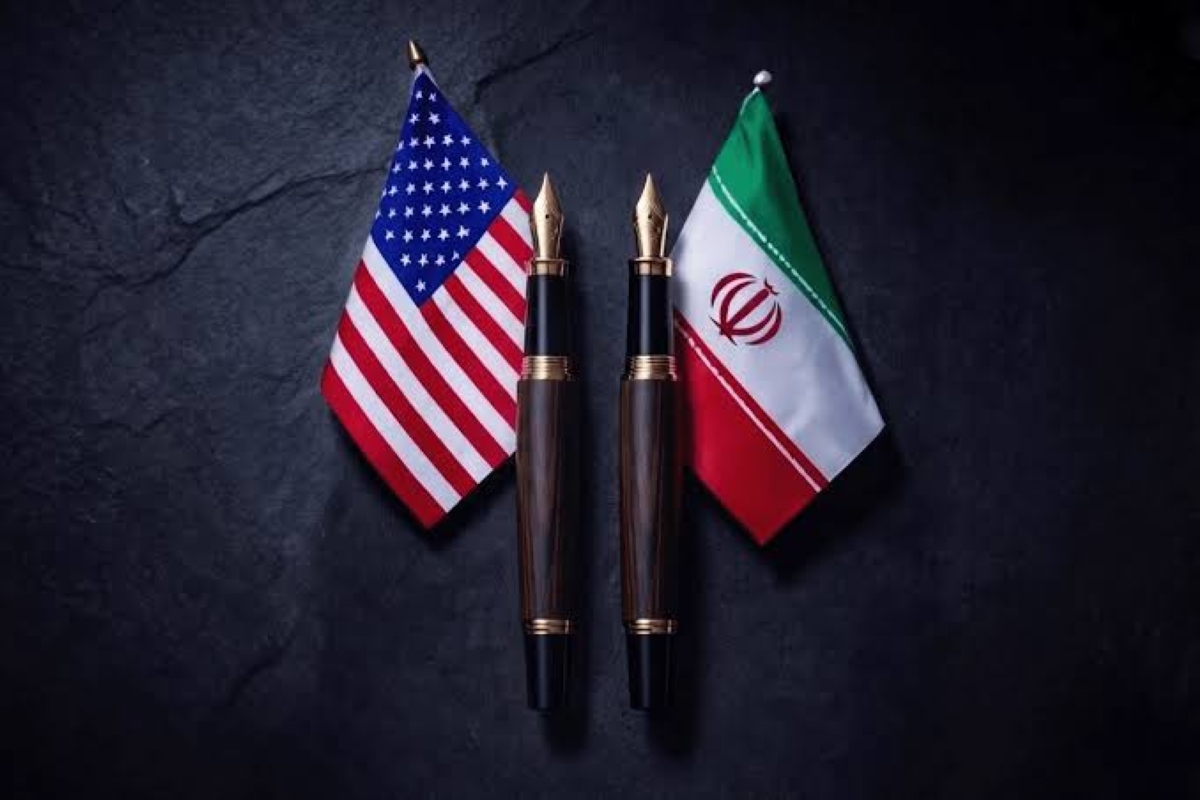
Iran responds cautiously to the US proposal, fearing a surprise strike.
Translated by Qiyas from الجريدة — Original source
As US-Iranian negotiations take another step forward with Tehran delivering its response to the latest US proposal, Iranian leadership remains cautious about the diplomatic track, amid fears that the US initiative may serve as a cover for a surprise military strike.
A source in Iran’s Supreme National Security Council told Al-Jarida that Tehran delivered its response to the latest US proposal late Monday evening to a Qatari delegation that visited the Iranian capital, conveying a message to the US side.
The source said that Mohsen Rezaei, Secretary of Iran’s Supreme National Security Council, informed several council members that the content of the new US offer and Iran’s response had been discussed with Supreme Leader Mojtaba Khamenei.
According to the source, Rezaei believed that the US proposal largely meets Iran’s seven conditions, though there were reservations and notes on certain clauses. At the same time, he stressed the need to avoid excessive optimism, given past experiences with the administration of President Donald Trump. The source quoted him as expressing concern that the offer, despite its apparent positivity, might merely be a cover for launching a military strike.
He added that an agreement, if a positive US response is received, could be announced during a meeting bringing together the Iranian parliament speaker, chief negotiator Mohammad Bagher Ghalibaf, and US Vice President JD Vance.
Alongside the negotiation track, the source confirmed that Tehran is acting on the assumption that Trump could launch a surprise attack at any time, including immediately after the closing of polling stations in the US midterm congressional elections. He noted that the Iranian armed forces remain on high alert, and that units tasked with launching missiles and drones have been provided with a new target bank and ordered to respond immediately to any attack without awaiting further instructions from the leadership.
On the international communications front, the source reported that Rezaei briefed Russian President Vladimir Putin on the latest developments during a call between them two days ago, while his deputy, Ali Bagheri Kani, briefed the Chinese side on recent developments.
He clarified that Tehran has asked Moscow and Beijing to engage with the Americans and work to provide certain guarantees, while reiterating its refusal to remove highly enriched uranium from Iranian territory, alongside its readiness to agree to reduce enrichment levels under international supervision.
In this context, Tehran informed both the Russian and Chinese sides that it has not made a decision to change its nuclear doctrine, but warned that suffering a nuclear strike could prompt it to reconsider its calculations.
