Final Stage of US Midterm Elections... Heated Race for Congress
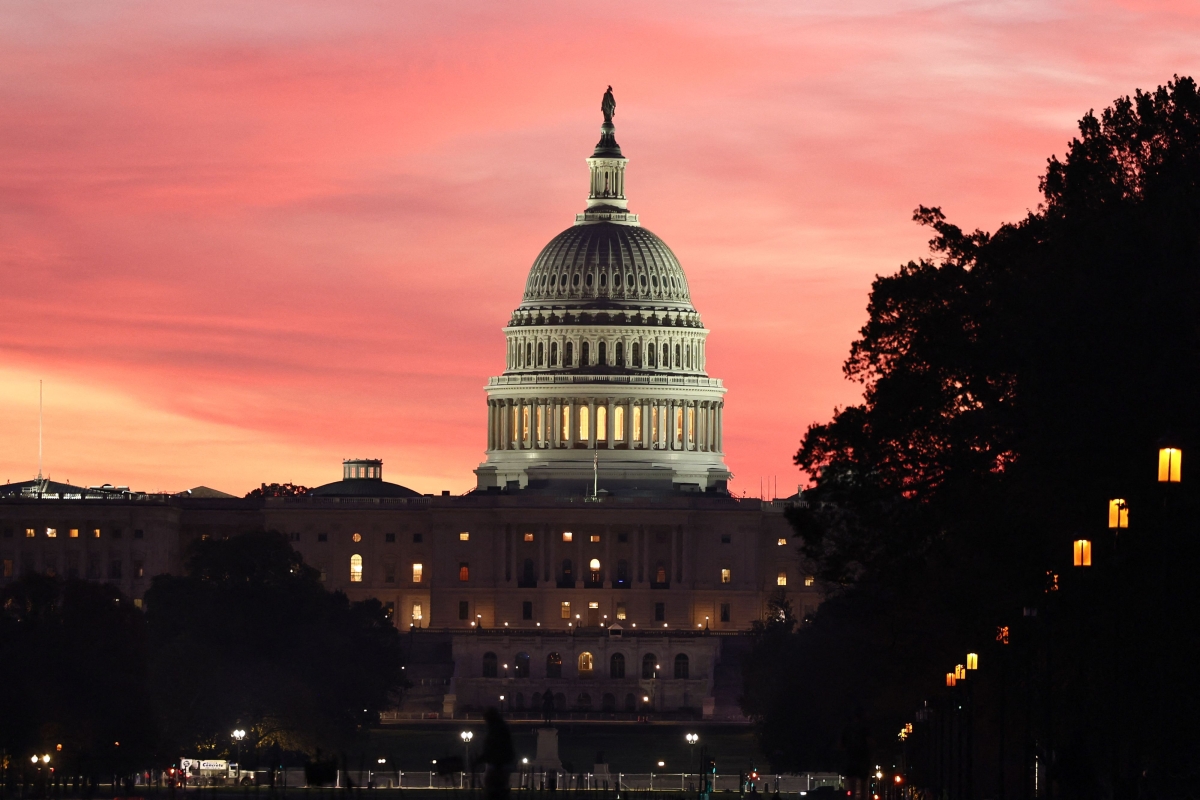
The final stage of the US midterm elections begins to determine the balance of power in Congress and its impact on the Trump administration.
Translated by Qiyas from الجريدة — Original source
The final phase of the U.S. midterm elections begins today, Tuesday, following early voting and mail-in ballots in a contest that serves as a significant political test for President Donald Trump and the Republican Party, while offering Democrats a chance to regain control of the legislative branch amid sharp political divisions and fierce competition for seats in both the Senate and the House of Representatives.
These elections are of particular importance because they will determine the balance of power in Congress during the final two years of Trump’s term and will directly affect his administration’s ability to pass legislation, approve budgets, and implement its political agenda, as well as the level of oversight and accountability it may face from Congress.
Attention is focused on several states whose outcomes could determine control of the Senate, notably Alaska, Iowa, Kansas, Maine, North Carolina, Ohio, and Texas, where tight races are unfolding for Senate seats. Democrats need a net gain of at least four seats to wrest majority control from the Republicans, who currently hold 53 seats compared to 47 for the Democrats and their independent allies.
Texas, North Carolina, and Ohio stand out as key opportunities for Democrats to shift the competitive balance, while Michigan is one of the most prominent states Republicans are seeking to capture a seat from.
Alaska, Iowa, and Kansas are also gaining importance due to the closeness of the races and shifting voter sentiment in some states that have traditionally been Republican strongholds.
Projections suggest that Democrats have a serious chance of regaining the House of Representatives, but controlling the Senate appears more difficult, given the party’s need to win several close races and hold onto threatened seats.
Observers also expect voter turnout among young people and minorities to be a decisive factor in determining the results.
Voters’ concerns are centered on the economy, inflation, and the cost of living, alongside immigration, trade policies, tariffs, and military operations against Iran, after several legislative attempts to prevent further strikes were thwarted, amid repeated statements by U.S. President Donald Trump about the possibility of resuming such operations after the midterms.
If Democrats regain control of the House alone, the U.S. administration will face greater difficulties in passing bills and budgets, and the party will gain chairmanships of key committees, granting it broad powers to conduct investigations—including potential impeachment inquiries—and hold hearings on administration policies, including immigration, war powers, and government spending.
If Democrats also gain control of the Senate, they will be able to block or delay confirmation of executive and judicial appointments and strengthen oversight of the White House.
However, holding a majority does not guarantee the ability to pass all legislation, as Senate rules typically require 60 votes to end debate on most bills.
Beyond opinion polls, past experience shows that control of the two parties often shifts in U.S. midterm elections, a trend President Trump has indicated he expects to repeat this time.
In response to a reporter’s question during an interview last weekend with The New York Post regarding his strategy if Democrats take control of Congress, Trump said he would become the “Mr. Veto,” meaning he would use his veto power against any legislation before negotiating compromises.
Beyond their direct legislative outcomes, the elections will serve as a key indicator of voter trends ahead of the 2028 presidential race. A Republican loss in one or both chambers of Congress would constitute a political setback for Trump and bolster the Democrats’ position in confronting his administration, whereas retaining control of Congress would provide his party with the political backing needed to continue implementing its priorities during the final two years of his term.
Emphasizing the significance of the current electoral contest, the US President stressed in the closing speech of his campaign that it is “the most important in our lives,” urging his base to turn out and vote for Republican candidates.
Thus, today’s elections transcend their routine function of renewing legislative seats, becoming a test of Trump’s popularity and his ability to maintain his political influence, particularly regarding the future relationship between the White House and Congress leading up to the next presidential election.
