Kuwait's Oil Production in October at Highest Level Since War Began
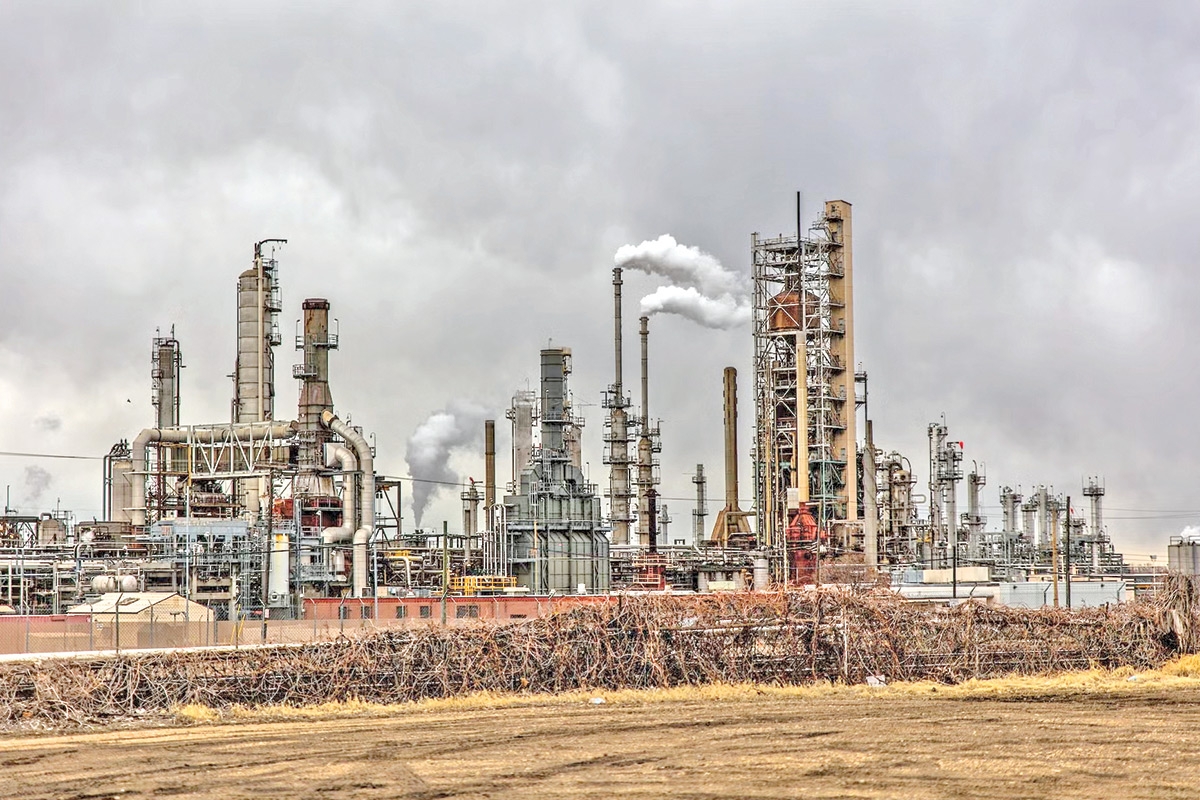
Kuwait's oil production rose in October as KPC signed agreements with TotalEnergies and Petronas to develop fields in Malaysia, amid regional tensions and their impact on global oil prices.
Translated by Qiyas from الجريدة — Original source
A source familiar with the matter told Reuters that Kuwait raised its crude oil production in October to 2.1 million barrels per day, the highest level since the outbreak of the Iran war, an increase of more than 300,000 barrels per day compared to September’s average.
The rise came despite an unprecedented escalation in attacks on ships in the Strait of Hormuz, reinforcing indications that Gulf oil producers are maintaining or boosting output levels as they adapt to growing risks of disruptions.
The source requested anonymity, as he was not authorized to speak publicly about Kuwait’s production figures.
A spokesperson for the Kuwait Petroleum Corporation did not immediately respond to Reuters’ request for comment.
Preliminary data from Kpler, a commodity data and analytics firm, showed that Kuwait exported an average of around 880,000 barrels per day of crude oil in October, up from 809,000 barrels per day in September.
Tracking crude oil exports from the Gulf region has become more difficult in recent months, as several producers are shipping oil through the Strait of Hormuz on tankers with their tracking devices turned off, aiming to conceal their movements amid fears of being monitored or targeted by potential attacks.
Production rates stood at approximately 2.6 million barrels per day in February, prior to the outbreak of the Iran war.
Kuwait Oil Exploration Company (Kofpec) announced today that it had signed a series of agreements through its subsidiary, Kofpec Malaysia Sdn Bhd, with TotalEnergies, PTTEP, and Petronas, aimed at developing the Lang Lipa (SK410B) and B14 fields located off the coast of Sarawak, Malaysia.
In a statement to KUNA, Kofpec said these agreements represent a strategic step forward in strengthening cooperation among partners to develop gas assets, thereby enhancing resource utilization efficiency, accelerating development pace, and achieving sustainable added value.
The statement noted that the agreements, which include adjustments to participation shares under established development plans, mark a significant milestone in the exploration and development of gas resources by enhancing integration and laying the foundation for long-term growth.
According to the statement, following the completion of the agreements, participation shares in both fields will be held by Kofpec at 25 percent, TotalEnergies at 30 percent as operator, PTTEP at 25 percent, and Petronas at 20 percent. It added that these agreements remain subject to obtaining necessary regulatory approvals and fulfilling standard closing conditions.
The statement quoted Kofpec’s Chief Executive Officer, Issa Al-Maraghi, as saying, “This partnership aligns perfectly with Kofpec’s strategic direction to enter as a global operator to accelerate the development of these promising assets and maximize their value.”
Kuwait Oil Exploration Company (Kofpec) is a subsidiary of the Kuwait Petroleum Corporation, conducting oil and natural gas exploration and production operations outside Kuwait, and holds a diversified investment portfolio in several countries around the world.
Oil prices fell by nearly 4 percent this morning, as talks between Iranian and Qatari officials regarding an agreement to end the Iran war boosted hopes that disruptions affecting oil supplies from the Middle East would subside.
A source familiar with the matter told Reuters today that Iranian negotiators had left the Doha talks (yesterday), but this was not due to difficulties encountered during the negotiations, which aim to reach an agreement to end the US-Israeli war on Iran.
Tamas Varga, oil analyst at PVM, said: “The new month has arrived, bringing renewed hopes for a breakthrough in the Iranian impasse.”
Brent October futures closed at their highest level in six months, amid fears of renewed escalation in tensions between the United States and Iran ahead of the U.S. midterm elections scheduled for Tuesday.
Iranian Foreign Minister Abbas Araghchi said yesterday that the goal of ongoing talks is to continue consultations with Qatari mediators, adding that Tehran is prepared for “both defense and diplomacy.”
These talks come after a recent increase in attacks on oil tankers transiting the Strait of Hormuz, despite signs of rising shipments from some major exporters.
Two of three ship-tracking firms reported that Saudi crude oil exports rose in October compared to September, despite Iranian attacks on maritime navigation in the Gulf and the announcement by the Iran-aligned Yemeni Houthi group of attacks on oil facilities in the kingdom.
Sultan Al Jaber, CEO of Abu Dhabi National Oil Company (ADNOC), said today that the world is depleting its energy reserves, with approximately one billion barrels of oil withdrawn from global stockpiles since the U.S.-Israeli war on Iran disrupted shipping through the Strait of Hormuz.
Some analysts believe oil prices could rise further. Goldman Sachs raised its oil price forecasts yesterday due to heightened supply risks, stating that Brent crude could jump to $140 per barrel in 2027 if Gulf oil production remains 3.5 million barrels per day below its 2025 average.
In a report, the bank said, “Ongoing attacks on ships, damage to oil infrastructure, and the persistence of elevated risk premiums remain the key factors that could lead to a potential price increase.”
South Korean company S-Oil, a subsidiary of Saudi Aramco, today forecast strong refining profits in Asia for the fourth quarter of the year, citing declining global inventories of key products and rising demand for heating purposes.
* The company said in its earnings statement that its crude distillation unit operated at an 81% utilization rate in the third quarter, compared to 80% in the first half of this year and 96% in 2025.
* The crude distillation unit’s utilization rate is expected to rise in the fourth quarter through the acquisition of medium Arabian crude supplies.
* Refining margins are expected to remain strong even if conflicts involving Russia or in the Middle East end, as repairing damaged facilities will take considerable time.
* S-Oil is holding talks with the South Korean government to seek compensation due to the price caps imposed on fuel by the government.
For his part, U.S. investment bank Goldman Sachs Group raised its global oil price forecasts for next year due to increased supply risks, noting that it expects the benchmark global crude oil, Brent, to reach $140 per barrel if Gulf production falls below 2025 levels by an average of 3.5 million barrels per day.
Bloomberg News reported that Goldman Sachs analysts, including Dan Strain and Julia Grebeshkova, raised their forecast for next month’s Brent crude price to $105 per barrel, up from previous estimates of $90 per barrel, with an average price for next year projected at $88, a 10% increase over prior estimates.
Goldman Sachs analysts also raised their forecasts for the price of the standard U.S. crude benchmark, West Texas Intermediate (WTI), to $94 per barrel for the coming month, up from previous estimates of $81. The analysts said they expect the average price of Brent crude next year to be around $130 per barrel, with the potential to reach $140 if Gulf production falls by an average of 3.5 million barrels per day below 2025 output levels.
