Health Ministry: 18th Heart Transplant in Kuwait Successful at Al-Dabous Center
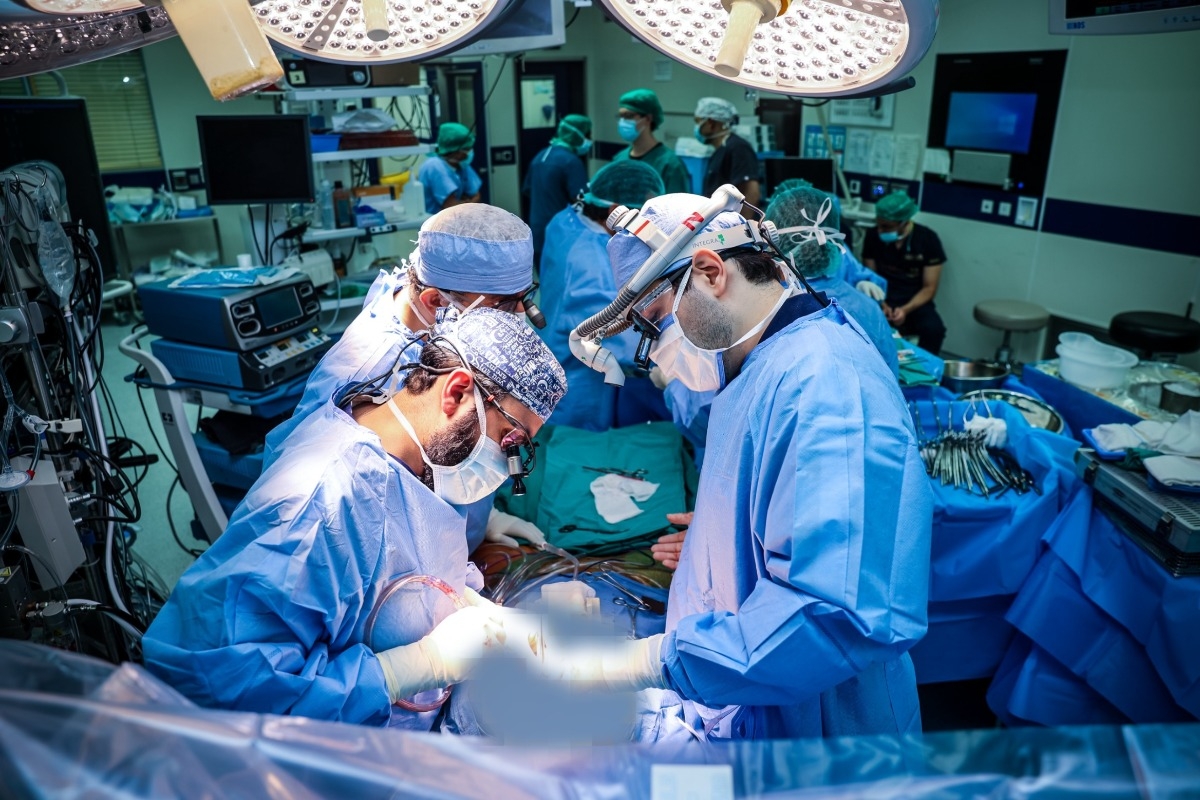
The Kuwaiti Ministry of Health announced the success of the country's 18th heart transplant, with medical participation from Saudi Arabia.
Translated by Qiyas from الجريدة — Original source
The Ministry of Health announced the successful performance of the country’s 18th heart transplant, carried out on an 18-year-old patient at the Salman Al-Abdullah Heart Center, reflecting the advanced capabilities of specialized medical teams in managing complex cardiac cases.
The ministry stated that the patient suffered from a congenital heart defect that led to advanced heart muscle failure and severe symptoms affecting his daily life, necessitating a heart transplant. Following the availability of a donor heart and the completion of medical evaluations confirming organ compatibility, the surgery was successfully performed at the center.
Dr. Bader Al-Ayad, head of the Cardiology Department and the Heart Failure and Transplant Unit at the Salman Al-Abdullah Heart Center, said the success of the procedure was the result of integrated medical and specialized efforts, emphasizing that it represents an important step in consolidating the heart transplant program and providing advanced treatment options for patients with advanced heart failure.
The surgery was performed by Dr. Abdullah Al-Hadab and Dr. Mohammed Al-Ayyar, with participation from Dr. Khaled Al-Otaibi from Saudi Arabia, while Dr. Bader Al-Ayad supervised the medical and immunological aspects.
Dr. Al-Ayad praised the crucial role of the organ procurement team led by Dr. Sajja Sarour, stressing that coordination among the organ procurement, transplant, surgical, anesthesia, and intensive care teams, along with nursing and technical staff, forms the foundation for executing these highly precise procedures that require integration across all stages of care.
He expressed deep appreciation to the donor and his family for their noble humanitarian contribution, noting that organ donation offers hope to waiting patients, and that continued development of the program and enhanced collaboration among various specialties contribute to expanding access to this vital service in the State of Kuwait.
