UK Prepares for 'Free Apology' for Slave Trade!
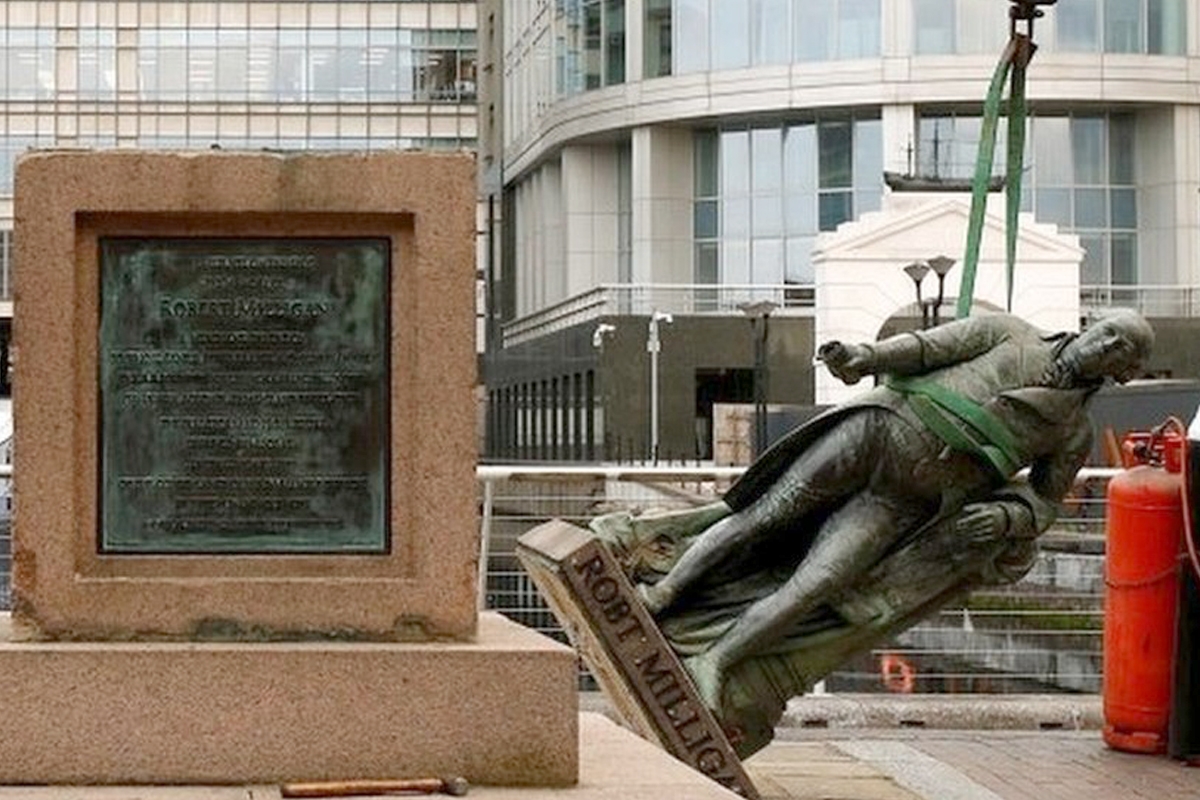
The British Prime Minister expresses openness to a formal apology for the slave trade ahead of the Commonwealth summit in Antigua, while rejecting financial compensation.
Translated by Qiyas from الجريدة — Original source
British Prime Minister Keir Starmer said he is open to calls for a formal apology for Britain’s historical role in the slave trade ahead of his participation in next week’s Commonwealth summit, where he is likely to face demands for financial compensation.
In an article published in The Guardian and reported by Reuters today, Starmer wrote that Britain “will host a structured dialogue with those affected by the transatlantic slave trade,” during which at least 12.5 million Africans were kidnapped and sold into slavery. He added: “Listening to calls for a formal apology on behalf of the British state will be an important part of this process, and I am open to it.”
However, Starmer rejected calls for financial reparations, writing: “I do not believe that the British people today can be held responsible for historical wrongs, however grave, committed in a different era and under different laws, in which they had no personal involvement.”
According to the Trans-Atlantic Slave Trade Database, millions of Africans were sold into slavery by European traders between the 15th and 19th centuries, with Britain transporting an estimated 3.2 million people across the Atlantic.
Ahead of the meeting of Commonwealth heads of government in Antigua and Barbuda, a spokesperson for King Charles said he “will not hesitate to confront the most shameful aspects of the past” during his visit.
The spokesperson for Charles, who heads the Commonwealth, a group of 56 countries most of which were former British colonies, added that it would not be appropriate for the King to address specific political issues concerning the British government’s position.
Charles is still undergoing cancer treatment, but a senior aide at Buckingham Palace said he “is working hard as always, across different time zones and with packed schedules.”
Caribbean leaders are expected to push for reparations, often framed in terms of debt relief, development financing, education, healthcare, and enhancing resilience to climate change.
