Israeli Plan to Occupy Sidon and Tyre and Blockade Beirut and Tripoli Ports
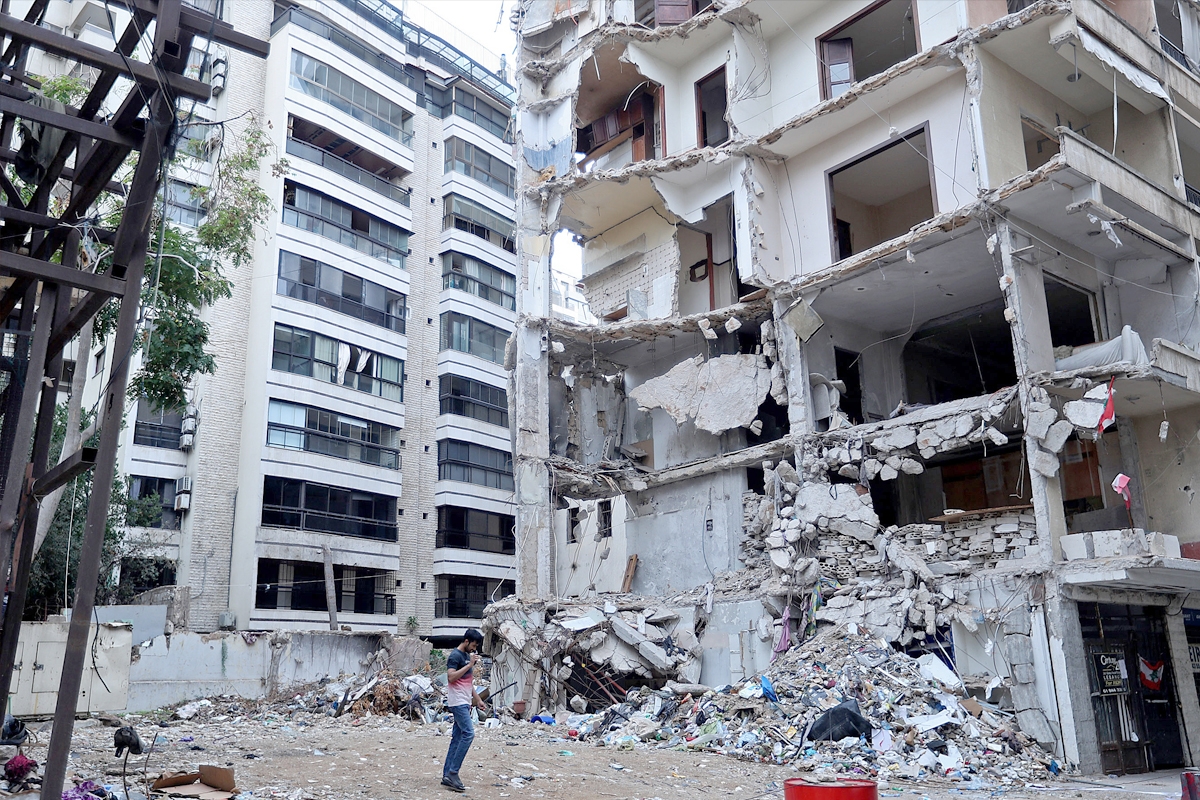
Maariv reveals a comprehensive Israeli war plan targeting the south and the suburbs, while the issue of the Dahr al-Bider explosives escalates with accusations of undermining state authority.
Translated by Qiyas from الجريدة — Original source
As Lebanon holds its breath in anticipation of regional developments and the possibility that they could trigger further Israeli escalation on the southern front, the Israeli newspaper Ma’ariv, citing Israeli officials, revealed that Tel Aviv has prepared a comprehensive war plan in the event that Hezbollah decides to engage in any military confrontation alongside Iran. The plan includes the occupation of three major southern cities—Nabatieh, Sidon, and Tyre—and the imposition of a naval blockade on the ports of Beirut and Tripoli, alongside intense aerial bombardment of Beirut’s southern suburbs, Hezbollah’s stronghold.
The newspaper quoted officials as saying that Israeli assessments assume Iran would attempt to unify fronts if attacked, noting that “Israel takes very seriously the possibility of Hezbollah’s participation in fighting against it, and prepares in such a case to use extremely heavy firepower.”
In the context of military preparations, the newspaper pointed out that the Israeli Navy is also preparing to play a key role in any such war, given the likelihood that the Air Force would be occupied with operations against Iran.
On another front, the repercussions of the Dahr el-Bidder explosives shipment case continue to unfold, following the indictment filed by the Government Commissioner at the Military Court, Judge Claude Ghanem, against 13 individuals in the file, including influential figures within Hezbollah, a Russian citizen and her husband, and other detainees.
The prosecution has elevated the legal characterization of the acts attributed to the accused, placing them within the framework of “belonging to armed factions without state approval, and transporting explosives with the intent to undermine state authority and expose Lebanon to the risk of attacks,” based on Articles 335, 288, and 307 of the Penal Code.
This characterization is particularly significant, as it shifts the case from the framework of possession and transportation of explosives to accusations related to undermining state authority and threatening national security, marking a notable judicial precedent in dealing with Hezbollah’s logistical and military activities.
Thus, according to the prosecution’s characterization, the transportation of approximately half a ton of C4 and TNT explosives from Baalbek to Beirut constitutes an act that goes beyond violations related to the possession of explosives, extending to undermining the dignity of the state and endangering the safety of its territory.
This step could deepen political divisions, amid pressure to refer the case to the Council of State, with information indicating that external demands go beyond the judicial path, calling for the accountability of prominent second- or third-tier Hezbollah officials. These demands are presented, according to the information, as a means to achieve a fundamental change in how the Lebanese state deals with Hezbollah, rather than merely addressing a specific security issue.
Meanwhile, the Lebanese landscape remains open to varying possibilities depending on the trajectory of regional understandings. Hezbollah is betting that any US-Iranian settlement could allow for the re-emergence of internal political understandings, through which it would regain part of the balance disrupted by recent developments. Conversely, its opponents argue that any settlement cannot be limited to a bilateral understanding between Washington and Tehran, but should be part of a broader agreement involving regional countries, putting an end to Hezbollah’s independent military status.
In this context, mediators are moving to push Lebanese parties toward dialogue and reaching an understanding regarding weapons, alongside other political and security files, amid clear differences in understanding the nature of the required settlement and the outcomes it is expected to yield.
The United States, meanwhile, goes beyond merely calling for the restoration of security or the achievement of interim understandings. According to available information, the American demands include the complete disarmament of Hezbollah, the dismantling of its military and organizational structure, the opening of a peace track between Lebanon and Israel, and ultimately the establishment of economic partnerships between the two countries.
These demands do not stop at relations with Hezbollah; they extend to implementing structural changes in the composition of Lebanon’s power structure ahead of the upcoming parliamentary elections, which may see their postponement for an additional two years. American pressure also includes rethinking the structure of security and military institutions, as well as their leadership and orientations, with hints of changing military commanders if there is no compliance with the disarmament process.
